
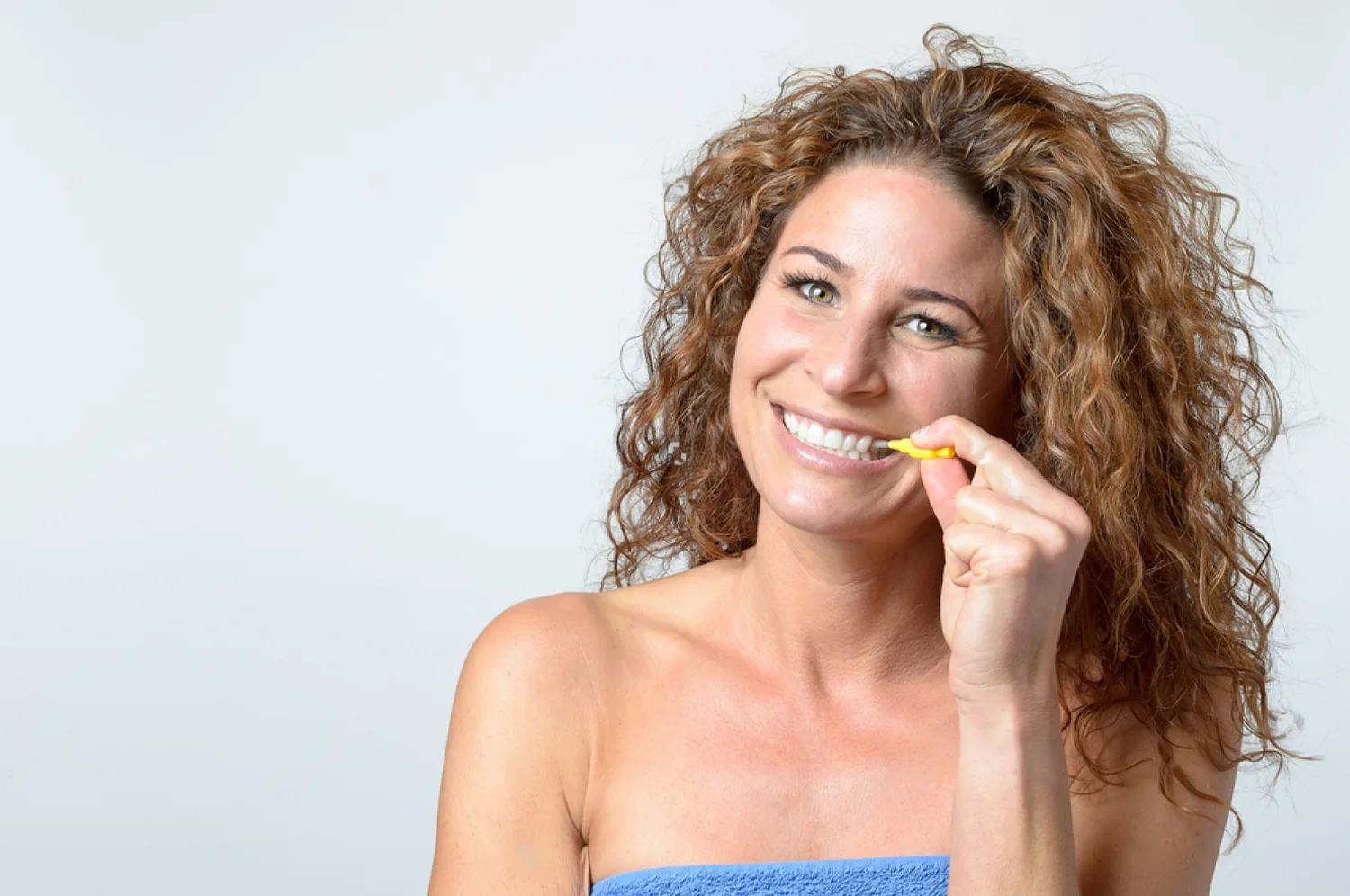
Brush or floss first? Dentists disagree on the order, but they all agree on this: you need to do both, every day, with good technique. It's a little like the chicken-or-egg question. At Southern York Smile Care in Shrewsbury, the answer is simple. Pick the order you'll stick with, and do both well.
Floss First or Brush First?
The Case for Flossing First
Some dentists prefer that you floss before you brush. The thinking goes like this:
- Flossing loosens plaque and food trapped between teeth, and brushing then sweeps it away.
- You're less likely to skip it. Once your mouth feels fresh after brushing, it's tempting to call it done. Flossing first gets the harder job out of the way.
- Toothpaste can reach further. With the spaces between teeth cleared, the toothpaste you brush with may reach more surfaces.
The Case for Brushing First
Other dentists prefer brushing first. Their reasons:
- Brushing clears the big stuff so flossing can focus on the tight spaces.
- Flossing after brushing can carry some toothpaste between the teeth.
- It fits more people's habits. Many people already brush first, and an easy routine is one you'll keep.
Surveys of American adults show a fairly even split, with a slight edge for people who brush first. The honest answer is that both orders work. What matters far more is that you do both, and that you do them properly.
Why You Need Both
Brushing and flossing clean different parts of your teeth. A toothbrush cleans the front, back and chewing surfaces well. It can't reach the tight spaces where your teeth touch each other, or just under the gumline between teeth. Those are exactly the places where cavities between teeth and gum disease often begin.
Plaque is a sticky film of bacteria that forms on teeth every day. If it isn't removed, it can harden into tartar, which only a dental cleaning can remove. Plaque left between teeth irritates the gums, which may then bleed when you floss. That bleeding is a sign the area needs more cleaning, not less. Our article you may have gingivitis explains the early signs of gum inflammation.
Getting the Technique Right
Doing both every day matters most. Doing them well comes a close second.
How to Brush the Right Way
Good brushing is less about pressure and more about coverage. These tips follow American Dental Association guidance:
- Brush for two minutes, twice a day. A timer or an electric brush with a built-in timer helps.
- Use a soft-bristled brush. Hard bristles and heavy pressure can wear enamel and push gums back.
- Replace your brush every three months, or sooner if the bristles fray or after you've been sick.
- Hold the brush at a 45-degree angle to the gumline, so the bristles reach just under the edge of the gums.
- Use small, gentle circles about half a tooth wide, rather than long scrubbing strokes.
- Clean every surface: outside, inside and chewing surfaces, including the back teeth that are easy to miss.
- Brush your tongue or use a tongue scraper. Bacteria on the tongue add to bad breath.
Want more detail? Read are you brushing properly? and how often should I replace my toothbrush?
How to Floss the Right Way
Flossing takes a little practice, but it gets quick once you have the hang of it:
- Use about 18 inches of floss. Wrap most of it around one middle finger and a little around the other, so you can use a clean section for each space.
- Hold it tight between your thumbs and index fingers.
- Slide it gently between two teeth. Don't snap it down onto your gums.
- Curve it into a C shape around one tooth and slide it up and down, just under the gumline.
- Repeat on the neighboring tooth, then move to a fresh section of floss for the next space.
- Don't forget the back of your last molars.
If your gums bleed at first, keep going gently. Bleeding often settles within a week or two of daily flossing. If it doesn't, let your dentist know.
Options If Regular Floss Is Hard
String floss isn't the only way to clean between teeth. If it's hard to use, try another tool rather than skipping the job:
- Floss picks are easy to hold with one hand.
- Interdental brushes are tiny brushes that fit between teeth. They work well for wider spaces.
- Water flossers use a stream of water to flush between teeth and around bridges, implants and other dental work. Read more about water flossing.
- Floss threaders help you clean under bridges and permanent retainers.
The best tool is the one you'll actually use every day.
Special Situations
Cleaning Around Crowns, Bridges and Implants
Dental work needs the same daily care as natural teeth, and sometimes a little more. Crowns can still develop decay at the edge where they meet the tooth. Bridges have a false tooth in the middle that food can get trapped under. Implants don't get cavities, but the gums and bone around them can become inflamed if plaque builds up.
A floss threader or water flosser makes cleaning under a bridge much easier. Interdental brushes work well around implants. If you wear Invisalign aligners, brush and floss before you put them back in, so you're not trapping food against your teeth. Ask at your next cleaning which tools suit your mouth.
Helping Kids Build the Habit
Children need help brushing until they have the hand skills to do it well, often around age seven or eight. Start flossing once two teeth touch. Making it part of the bedtime routine, using a timer or a favorite song, and brushing alongside your child all help the habit stick. See children's dentistry for more on caring for young smiles.
Where Your Dentist Fits In
Even with great home care, some plaque hardens into tartar. Professional cleanings remove it and let your dentist check for early problems. Cleanings at Southern York Smile Care are a full 60 minutes, so there's time to clean thoroughly and to show you any spots you're missing. Learn more about dental cleanings and preventive dentistry.
If you've had gum problems, your dentist may suggest extra care. See gum disease treatments for more. And if you have a cavity, the office places tooth-colored, BPA-free white fillings; it's a mercury-free practice. Patients who want it can have fluoride, and holistic patients can choose remineralization varnish to help strengthen enamel.
Put Your Routine to the Test
If you'd like a dentist to check your technique, or it's simply time for a cleaning, call Southern York Smile Care at (717) 235-3871 or request an appointment. Dr. Steven Haywood and the team are at 4 S. Main St in Shrewsbury and welcome patients from York, southern York County and northern Baltimore County.

DDS cum laude 1987, US Air Force residency, NYU cosmetic training and Fellow of the International Congress of Oral Implantologists, with 35+ years in practice.
Meet Dr. Haywood → Mouthwash Facts and Dental Health in Shrewsbury PA
 4 Oral Ailments to Discuss with your Dentist
 Bad Breath Treatment at Southern York Smile Care