
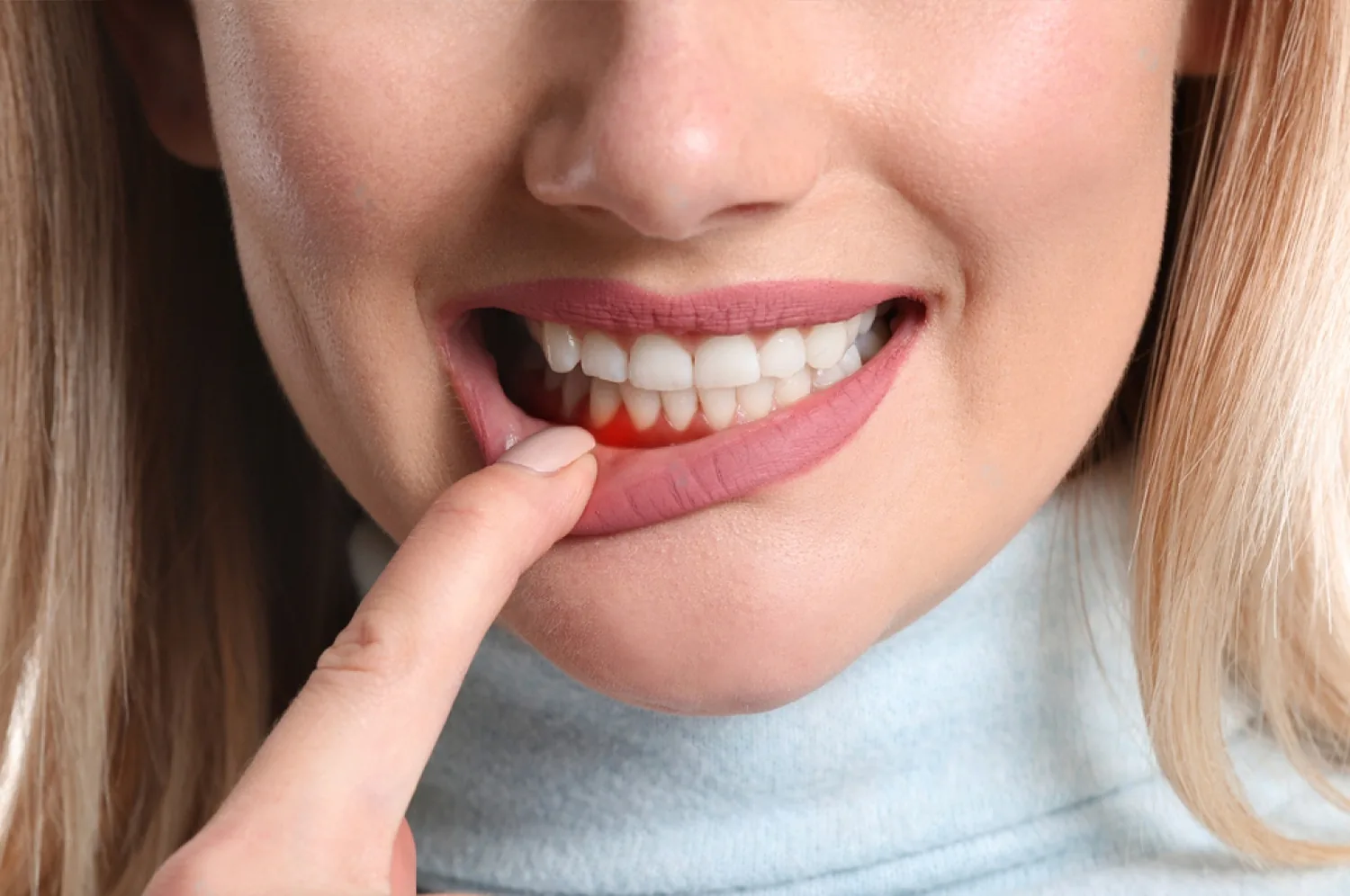
You may have gingivitis without knowing it, because the first signs, like puffy or bleeding gums, are easy to ignore and often painless. The good news is that it can be reversed. Here is how to spot it, what causes it and how it is treated.
Gingivitis is the earliest stage of gum disease. At Southern York Smile Care in Shrewsbury, PA, it is common to find gingivitis in patients who had no idea anything was wrong. Because it rarely hurts, many people assume a little bleeding when they brush is normal. It is not. Bleeding gums are a signal that something needs attention.
What is gingivitis?
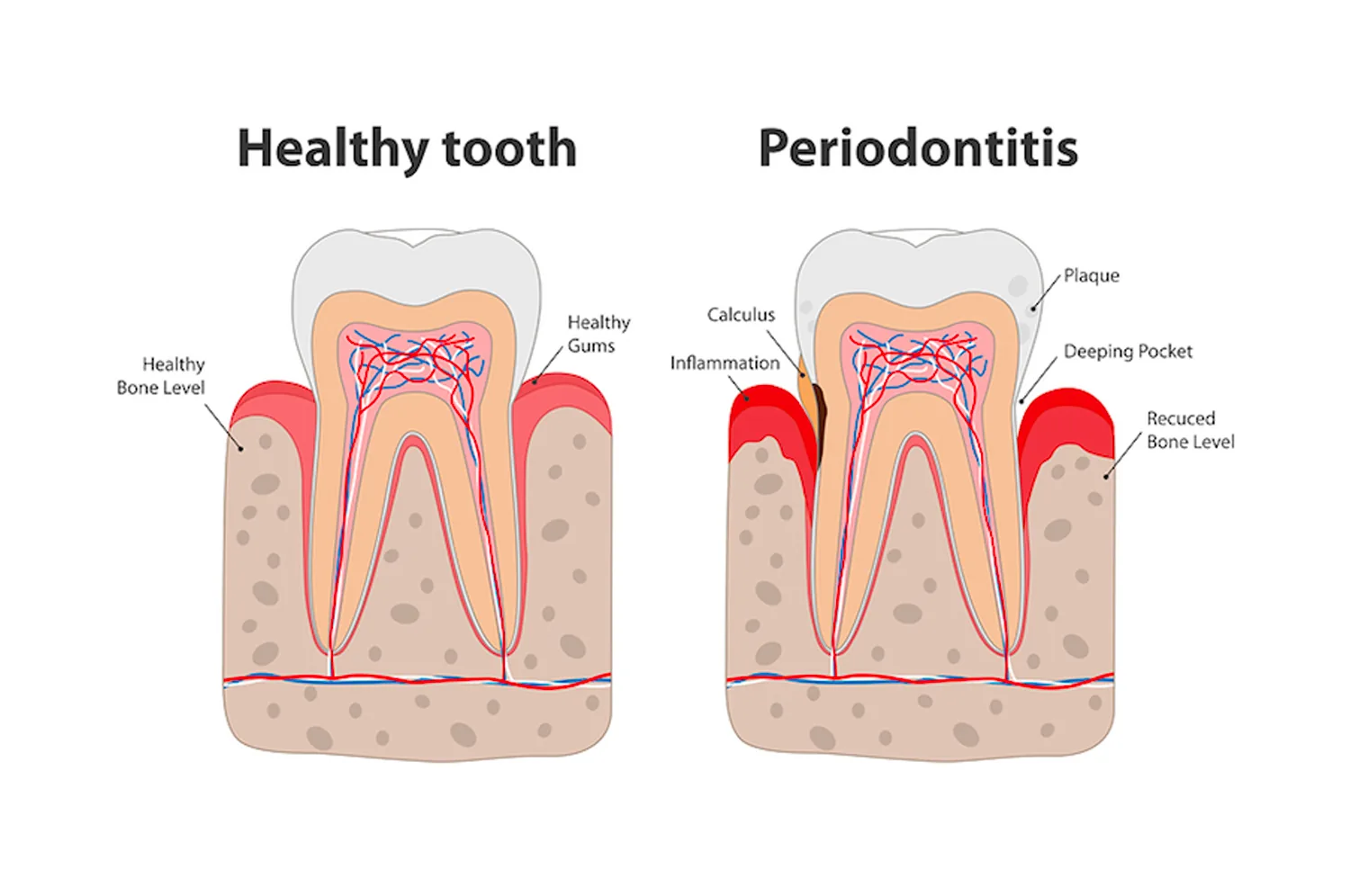
Your mouth is home to hundreds of kinds of bacteria. In a healthy mouth with good daily care, they live in balance and cause no harm. When plaque builds up along the gumline, though, the bacteria in it irritate the gums. Your body responds with inflammation, and the gums become red, swollen and prone to bleeding. That inflammation is gingivitis.
At this stage, the bone and tissue that hold your teeth in place have not been damaged. That is why gingivitis is the best time to act. With good care, the gums can return to health, usually within a few weeks. Healthy gums are firm, pale pink, fit snugly around each tooth and do not bleed when you brush or floss.
How gingivitis becomes periodontitis
If plaque and tartar stay in place, the inflammation can spread below the gumline. The gums begin to pull away from the teeth, forming pockets where more bacteria collect. Over time, the infection can break down the bone that supports the teeth. This more advanced stage is called periodontitis, and it is a leading cause of tooth loss in adults. Unlike gingivitis, the bone loss from periodontitis cannot simply be reversed, though it can be treated and controlled. Our article gum disease and tooth loss explains this progression.
Signs you may have gingivitis
Watch for these warning signs:
- Gums that bleed when you brush or floss.
- Red, dark red or purplish gums instead of firm, pale pink ones.
- Swollen, puffy or tender gums.
- Bad breath or a bad taste that keeps coming back.
- Gums that look like they are starting to pull back from the teeth.
If gum disease has progressed, you may also notice loose teeth, pus between the teeth and gums, a change in your bite or pain when chewing. Any of these is a reason to call right away.
What raises your risk
Plaque is the main cause, but several factors make gingivitis more likely or harder to control:
- Skipping flossing. Plaque between teeth and under the gumline is out of a toothbrush's reach.
- Tobacco use. Smoking and chewing tobacco raise the risk of gum disease and can hide bleeding, making it harder to notice.
- Hormone changes. Pregnancy, puberty and menopause can make gums more sensitive.
- Diabetes. Research shows a two-way link between diabetes and gum disease.
- Dry mouth. Many medications reduce saliva, which normally helps wash bacteria away.
- Crowded teeth, braces or aligner attachments. These create more places for plaque to hide.
- Poor nutrition. A diet low in vitamin C and other nutrients can leave gums less able to resist infection. Read does my dentist care about my diet?
- Stress. Ongoing stress can weaken the body's ability to fight infection.
Gingivitis during pregnancy
Hormone changes during pregnancy make gums react more strongly to plaque, so many expectant mothers notice tender or bleeding gums, often called pregnancy gingivitis. It is common, but it should not be ignored. A dental cleaning during pregnancy is generally considered safe and helpful, and keeping up careful brushing and flossing makes a big difference. Let the team know if you are pregnant so care can be planned around your needs. Our article healthy teeth, healthy baby has more on this.
Why gum health matters beyond your mouth
Research has linked gum disease with other health conditions, including heart disease and diabetes. Scientists are still studying how these connections work. What is clear is that healthy gums are part of a healthy body. Our article on regular cleanings and heart health looks at this more closely.
How gingivitis is treated
Treating gingivitis is usually simple and comfortable.
- A thorough exam. Dr. Steven Haywood, DDS, checks your gums and measures the space between gums and teeth to see whether the problem is still at the gingivitis stage. Digital X-rays, with up to 90% less radiation than older film, show the bone levels.
- A professional cleaning. Plaque and hardened tartar are removed from above and just below the gumline. Every cleaning at Southern York Smile Care is a full 60 minutes. Learn more on our dental cleanings page.
- A home care plan. The team shows you exactly where plaque is being missed and how to reach it, whether with floss, a water flosser or small brushes between the teeth.
- A follow-up visit. Healthy gums usually stop bleeding within a few weeks of good care.
If gum disease has gone further, deeper cleaning and other treatments may be needed. The gum disease treatments page explains the options, and the Picasso laser can be used in gum treatment. You can learn more about the tools on our dental technology page.
How to prevent gingivitis at home
- Brush twice a day for two minutes with a soft brush, angling the bristles toward the gumline.
- Clean between your teeth once a day. If flossing is hard, try a water flosser or interdental brushes.
- Replace your toothbrush every three to four months.
- Do not smoke or use tobacco.
- Eat a balanced diet and drink plenty of water.
- Keep your regular checkups and cleanings.
Do not stop brushing or flossing an area because it bleeds. Gentle, consistent cleaning is what helps inflamed gums heal. If bleeding continues after a week or two of careful care, let us know.
Paying for gum care
Southern York Smile Care is out of network with every insurer. You pay at the visit, and the office files the claim with your insurance company for reimbursement. CareCredit and Cherry payment plans are available. See our financing page. If you are nervous about dental visits, oral sedation is available.
Have your gums checked in Shrewsbury
If your gums are sore, swollen or bleeding, or if it has been a while since your last exam, now is the time to call. Southern York Smile Care is at 4 S. Main St in Shrewsbury, PA, and serves York, southern York County and northern Baltimore County, MD. Call (717) 235-3871 or request an appointment.

DDS cum laude 1987, US Air Force residency, NYU cosmetic training and Fellow of the International Congress of Oral Implantologists, with 35+ years in practice.
Meet Dr. Haywood → Dental Questions? Southern York Smile Care Has Answers
 Gum Disease and Tooth Loss
 Dental Implants in York: Replace Missing Back Teeth!