
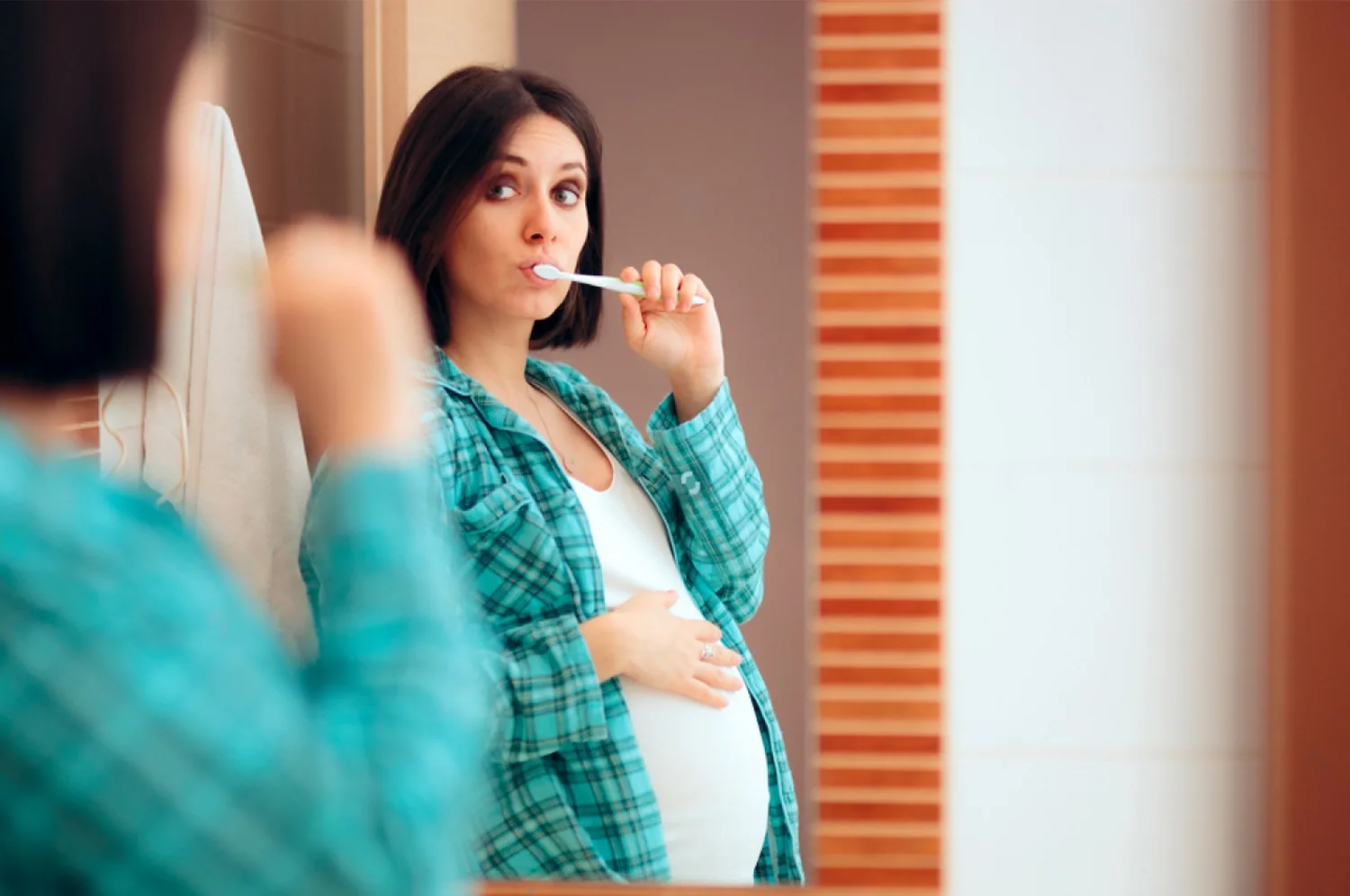
Healthy teeth, healthy baby: caring for your mouth during pregnancy protects your own health and supports your growing baby. If you are pregnant or planning to be, this guide covers what changes and what to do. Southern York Smile Care in Shrewsbury, PA, welcomes expecting parents for gentle, safe care.
Pregnancy fills your days and your thoughts, and it is easy to put your own needs last. Your dental health deserves a spot on the list. The hormone changes that help your baby grow also affect your gums and teeth, and some of those changes need attention. The good news is that a few simple steps, plus regular visits, keep your smile healthy through every trimester.
How pregnancy affects your mouth
During pregnancy, higher levels of hormones such as progesterone and estrogen increase blood flow to the gums and change how they respond to plaque. As a result, many pregnant patients notice changes like these:
- Pregnancy gingivitis. Gums become red, puffy and tender and bleed easily when you brush or floss. It is very common, often starting in the second month.
- Pregnancy "tumors." Despite the name, these are harmless red swellings on the gums, usually between the teeth. They often shrink after the baby arrives.
- More cavities. Cravings, frequent snacking and morning sickness can all put teeth under more acid attack.
- Enamel erosion. Stomach acid from vomiting can soften enamel.
- Dry mouth, which leaves teeth with less natural protection from saliva.
Why gum health matters for your baby
Untreated gingivitis can progress to periodontitis, a deeper infection that damages the bone around the teeth. Research has found links between gum disease in pregnancy and a higher risk of preterm birth and low birth weight. Scientists are still studying exactly how the two are connected, and treating gum disease is not a guarantee. But keeping your gums healthy is a safe, simple step that supports your own health and may help your baby too.
Diabetes during pregnancy, high blood pressure and some medications can also affect the gums, so it helps when your dentist and your obstetrician or midwife both know the full picture. If either one recommends extra care, the team at Southern York Smile Care is glad to coordinate.
Your oral health also matters after birth. The bacteria that cause cavities can pass from parent to baby through shared spoons and kisses. A parent with fewer cavity-causing bacteria passes on fewer of them.
See your dentist before and during pregnancy
If you are planning a pregnancy, a check-up and cleaning beforehand is ideal. Any needed fillings or treatment can be done before you conceive, so you start pregnancy with a healthy mouth.
If you are already pregnant and have not seen a dentist in a while, it is not too late. A check-up and cleaning are safe at any stage of pregnancy. The team at Southern York Smile Care can check your teeth and gums, suggest any changes to your routine and keep an eye on issues like gingivitis throughout your pregnancy. Cleanings are a full 60 minutes, which leaves time to talk about your questions. Learn more on our dental cleanings page.
Is dental treatment safe during pregnancy?
Routine dental care is safe during pregnancy, and the American Dental Association and the American College of Obstetricians and Gynecologists both encourage it. Putting off needed care can be riskier than treating a problem, because an untreated infection can spread.
Timing
Many patients find the second trimester the most comfortable time for non-urgent treatment like fillings. Morning sickness has usually eased, and lying back in the chair is still easy. Elective cosmetic treatments such as whitening are usually best saved until after the baby arrives. If you have a dental emergency, such as pain, swelling or a broken tooth, call right away at any stage.
X-rays
Dental X-rays are taken only when needed during pregnancy, and the ADA considers them safe with proper shielding. Southern York Smile Care uses digital X-rays, which use up to 90% less radiation than older film X-rays. If an X-ray can wait until after delivery without risk, Dr. Haywood will talk with you about waiting.
Fillings
Southern York Smile Care is a mercury-free office and uses tooth-colored, BPA-free white fillings. Many expecting parents find that reassuring. See our mercury-free dentistry page.
What to tell your dentist
When you arrive for your visit, let the team know:
- That you are pregnant and how far along you are
- Any special instructions from your obstetrician or midwife
- All medications, prenatal vitamins and supplements you are taking
- Whether you have had any complications, such as high blood pressure or gestational diabetes
- Any changes you have noticed in your teeth or gums
Throughout your pregnancy, call promptly if you notice bleeding that does not settle, swelling, a lump on the gums or tooth pain.
Daily care during pregnancy
- Brush twice a day with a soft brush. If brushing makes you gag, try a smaller brush head and a milder-tasting toothpaste.
- Clean between your teeth daily. Puffy gums may bleed at first; gentle, steady cleaning helps them heal. A water flosser can be gentler on tender gums.
- After morning sickness, rinse with water or a teaspoon of baking soda in a cup of water, and wait about 30 minutes before brushing so you do not scrub softened enamel.
- Protect your enamel. Holistic patients can choose remineralization varnish at their visits, and patients who want fluoride can have it.
- Stay hydrated to help with dry mouth.
Eating well for two
Your diet affects your baby's growth and development, including the teeth, which begin forming early in pregnancy. A diet low in key nutrients can affect your baby's developing teeth and bones. Aim for the amounts of calcium, vitamin D, phosphorus, protein, iron and vitamins A and C that your doctor recommends.
Frequent snacks and drinks high in sugar do not support your baby or your teeth. When cravings strike, choose cheese, yogurt, fruit, nuts and vegetables more often than sweets, and drink water between meals. Our post on hidden sugar lists foods that surprise many people.
After your baby arrives
Book a check-up once you are settled after delivery, especially if you had gum problems during pregnancy. Then think ahead for your baby: the ADA recommends a first dental visit when the first tooth appears, and by the first birthday at the latest. Our children's dentistry page explains what those early visits look like.
Schedule your visit
A healthy mouth is one of the best gifts you can give yourself and your baby. Call Southern York Smile Care at (717) 235-3871 or request an appointment online. The office is at 4 S. Main St in Shrewsbury, PA, and serves families from Shrewsbury, York, southern York County and northern Baltimore County, MD.

DDS cum laude 1987, US Air Force residency, NYU cosmetic training and Fellow of the International Congress of Oral Implantologists, with 35+ years in practice.
Meet Dr. Haywood → Mouthwash Facts and Dental Health in Shrewsbury PA
 4 Oral Ailments to Discuss with your Dentist
 Bad Breath Treatment at Southern York Smile Care