Root Canals
Payment plans available · See options
In pain now? Call (717) 235-3871 early in the day.
Save your tooth and end the pain: the infection is removed, then the tooth is protected with a crown.
Keep your own tooth
Relief from a deep toothache
Finished with a porcelain crown
What's included
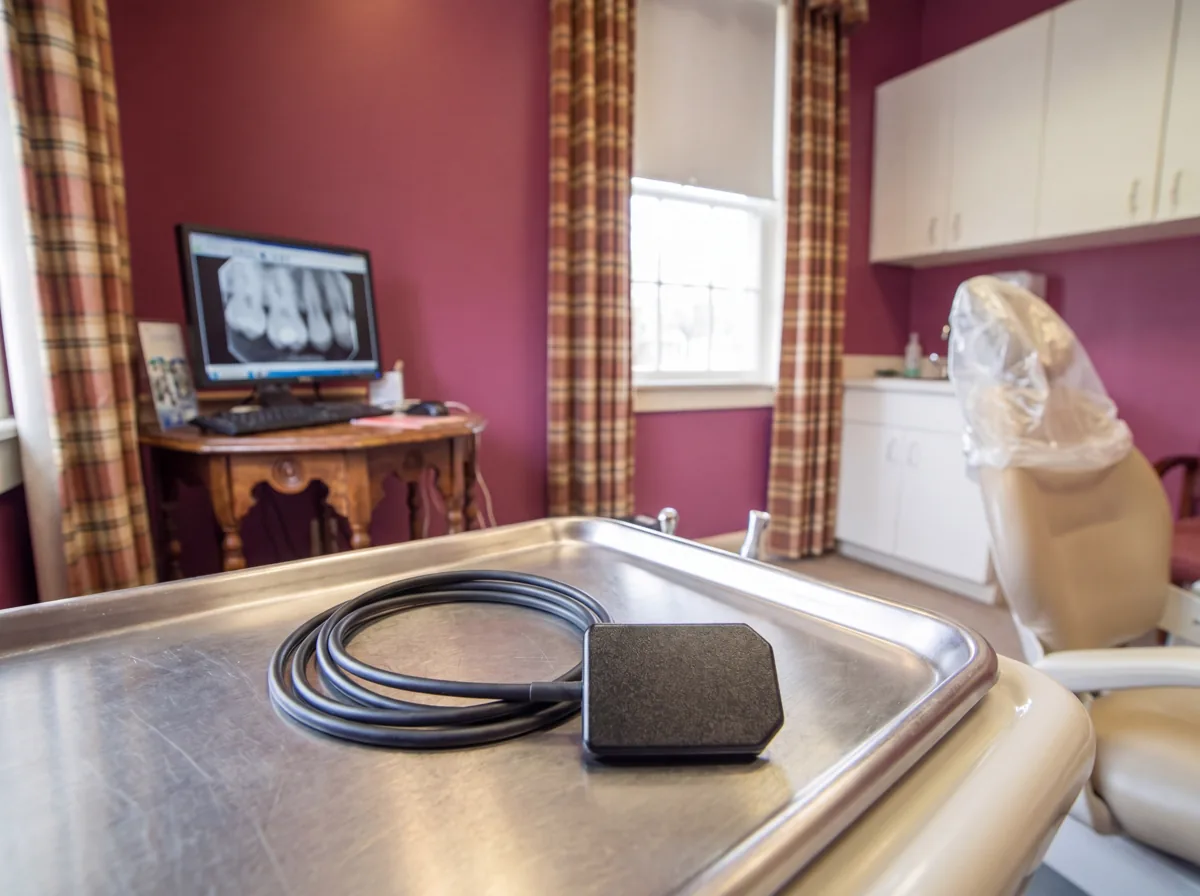
- An exam and digital x-rays to find the infection
- Numbing, and calm care with sedation if you want it
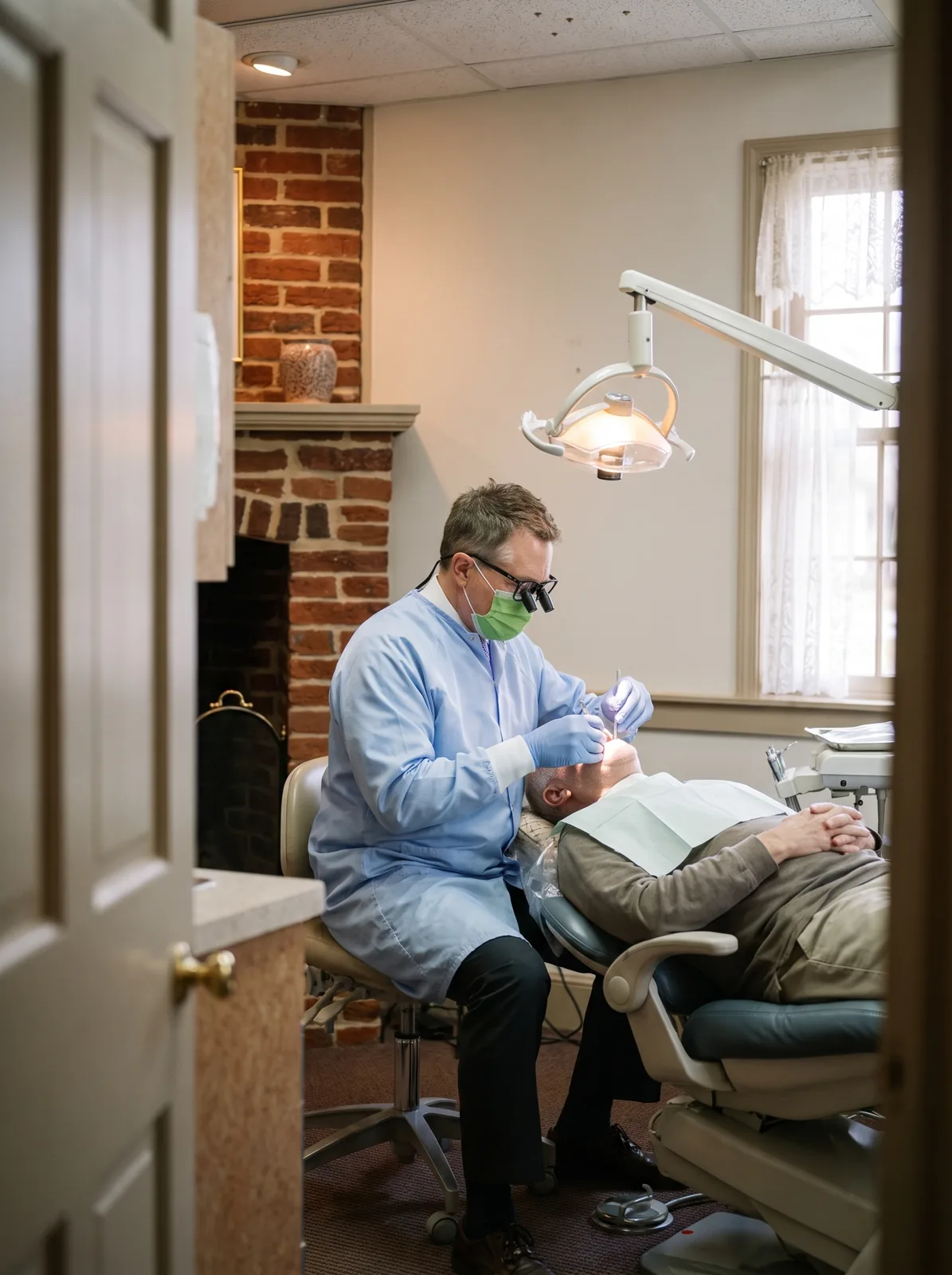
- Removal of the infection inside the tooth
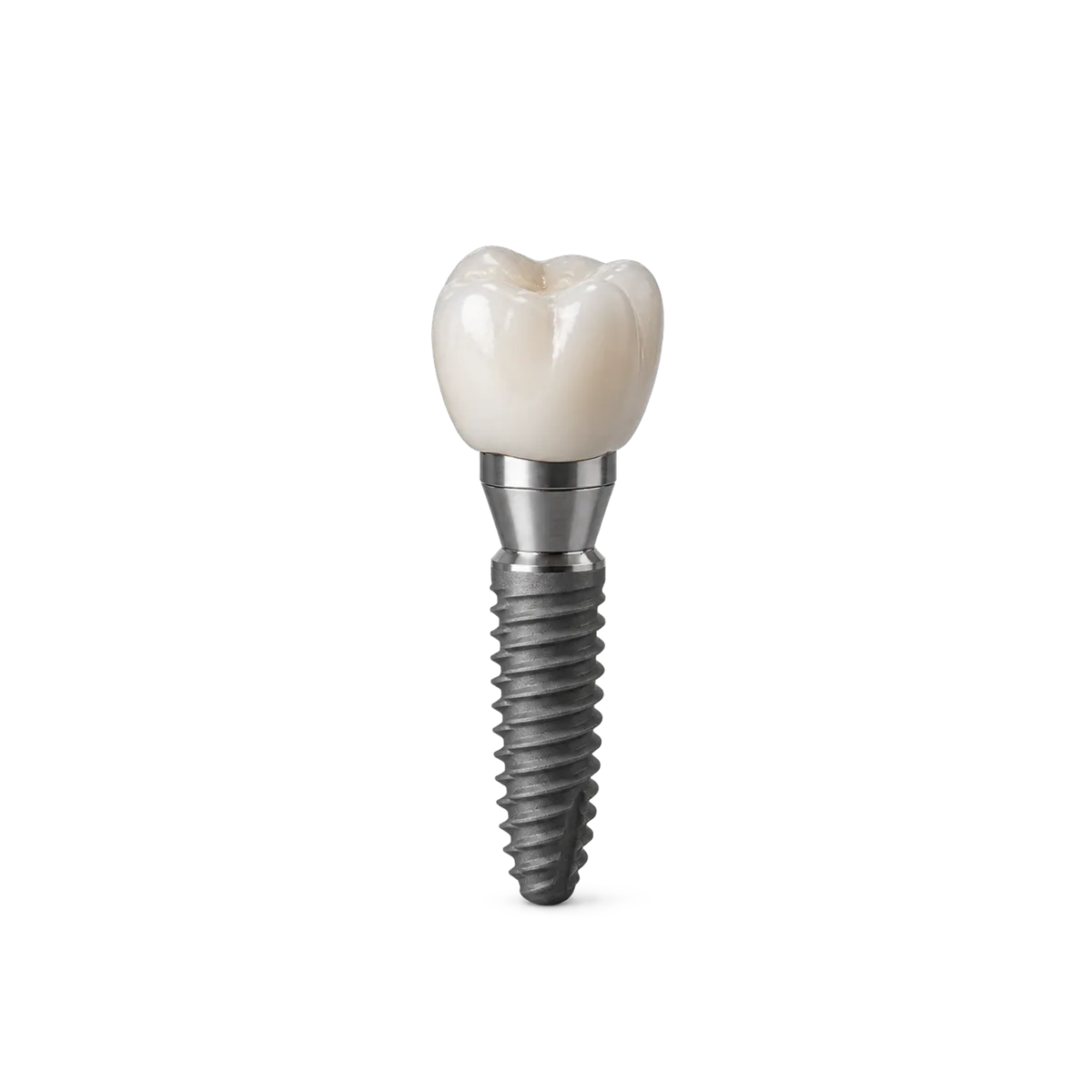
- A porcelain crown to protect the tooth
Why not just pull it?
A root canal lets you keep your tooth and what's left of its structure. Extraction is still an option when a tooth can't be saved.
How many visits?
Often two or more, depending on how severe the infection is. A temporary filling protects the tooth in between.
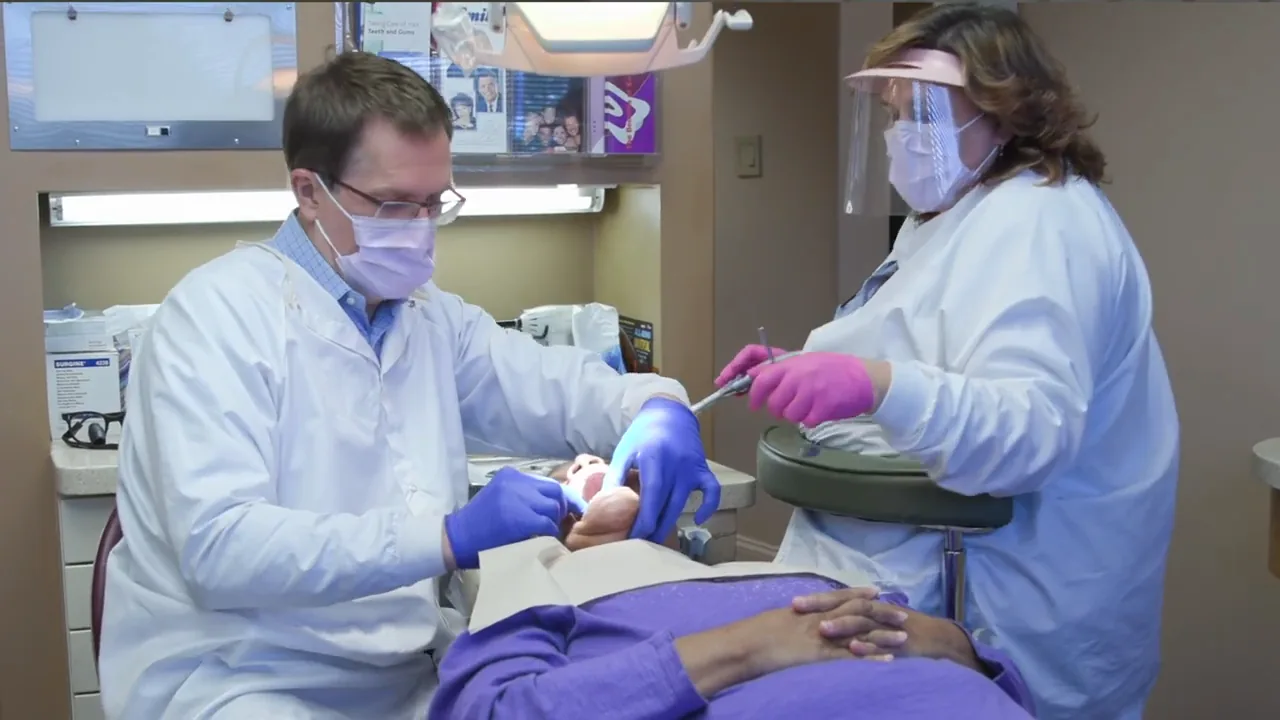
Save the tooth, stop the infection
When infection reaches the pulp inside a tooth, it can cause serious pain. Root canal therapy removes the cause, eases the pain and lets you keep your tooth.
Benefits
Out of pain, and keeping your tooth.
Relief from pain
Treatment removes the cause of a deep, constant toothache.
Keep your tooth
Save the tooth and its remaining structure instead of losing it.
Stops the spread
Infection is cleared before it reaches other teeth or your bloodstream.
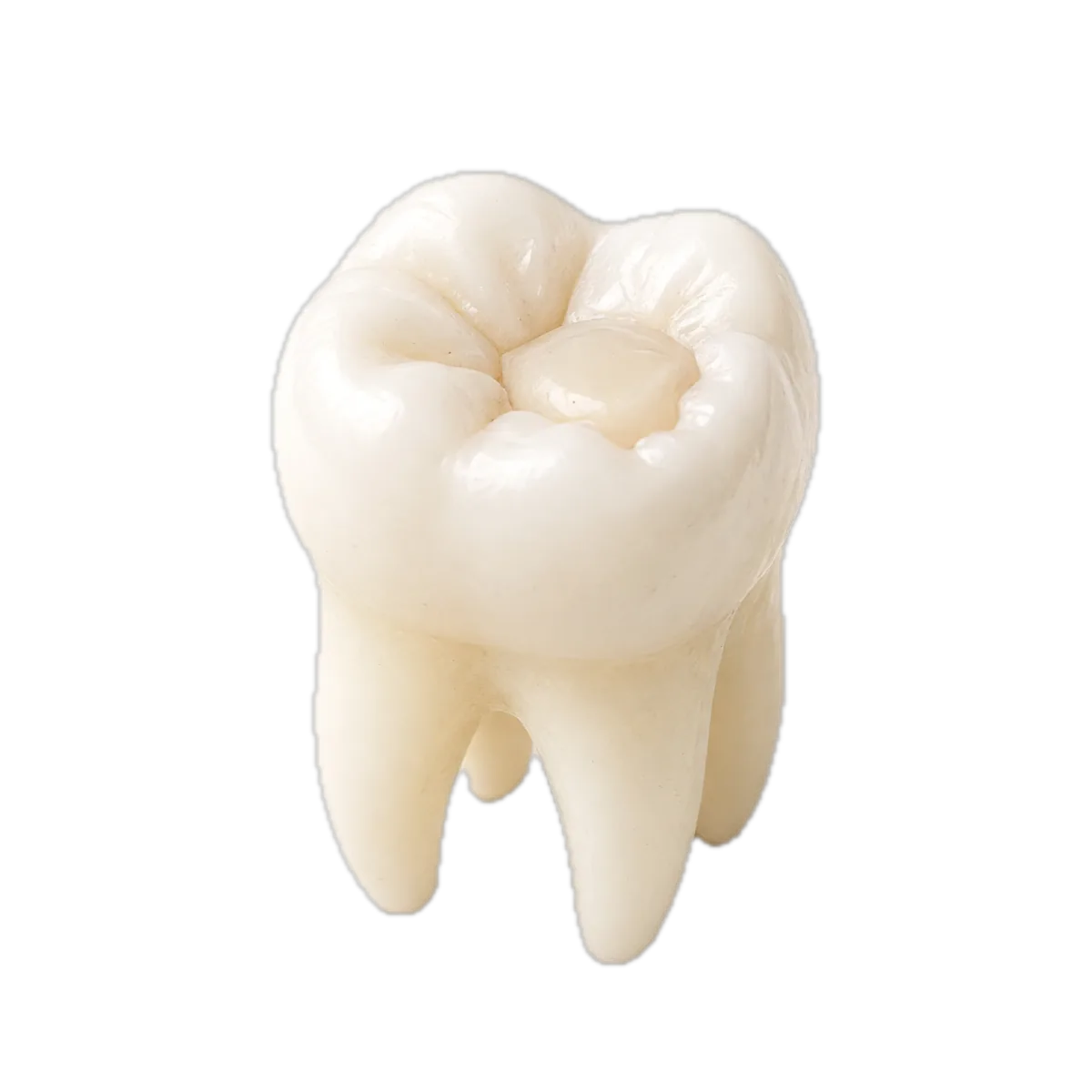
Protected by a crown
Every root canal is finished with a crown to help prevent re-infection.
Calm, gentle care
Oral sedation is available if you're nervous.
Real stories, real smiles
Spread the cost
Monthly plans through CareCredit and Cherry. Checking your options doesn't affect your credit score, and both give an instant decision.
*Subject to credit approval. Visit carecredit.com for details. For new CareCredit accounts as of 5/30/24: Purchase APR is 32.99%. Penalty APR is 39.99%. Minimum Interest Charge is $2. CareCredit is a Synchrony solution.

Root canal care from an experienced dentist
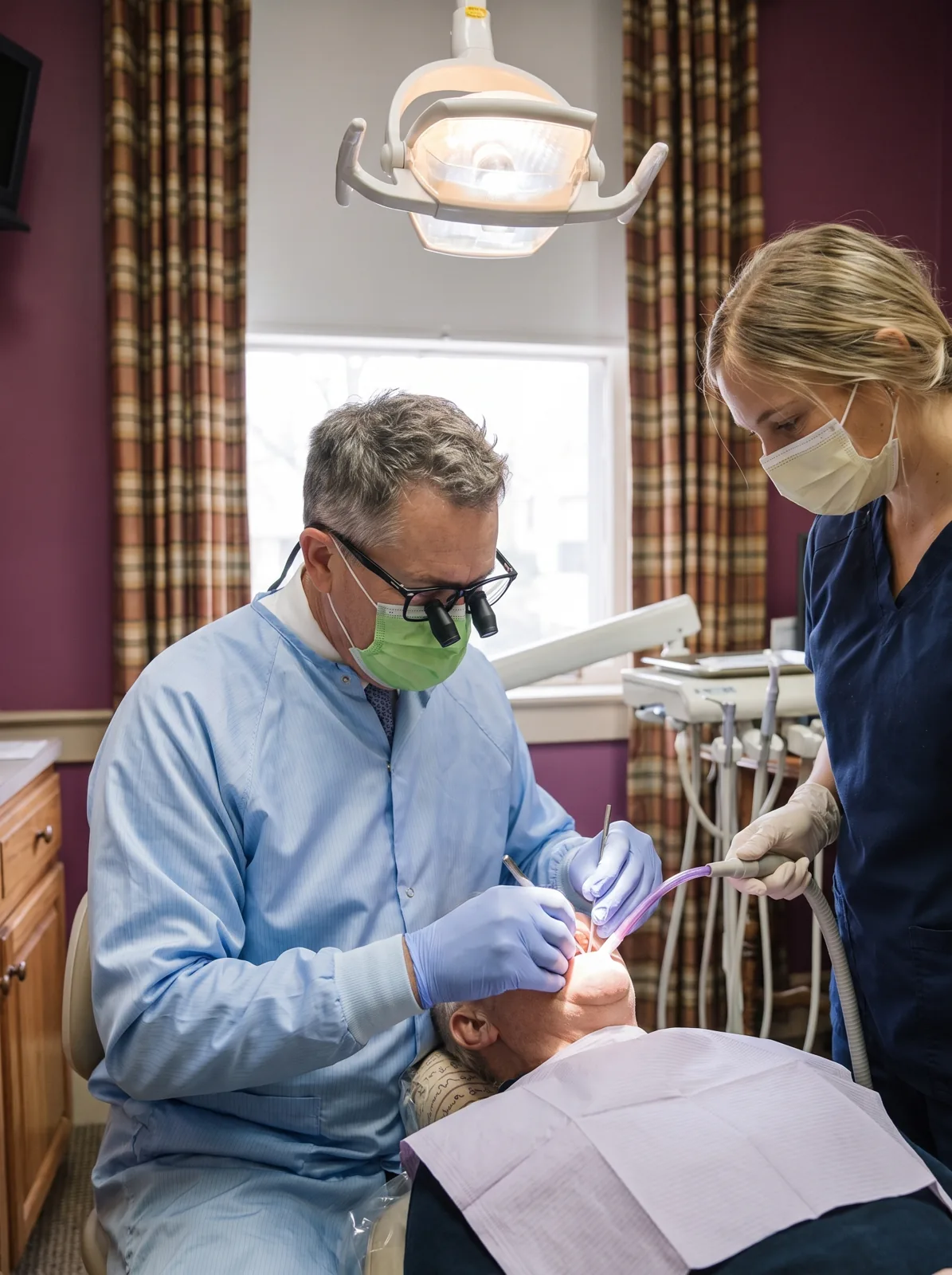
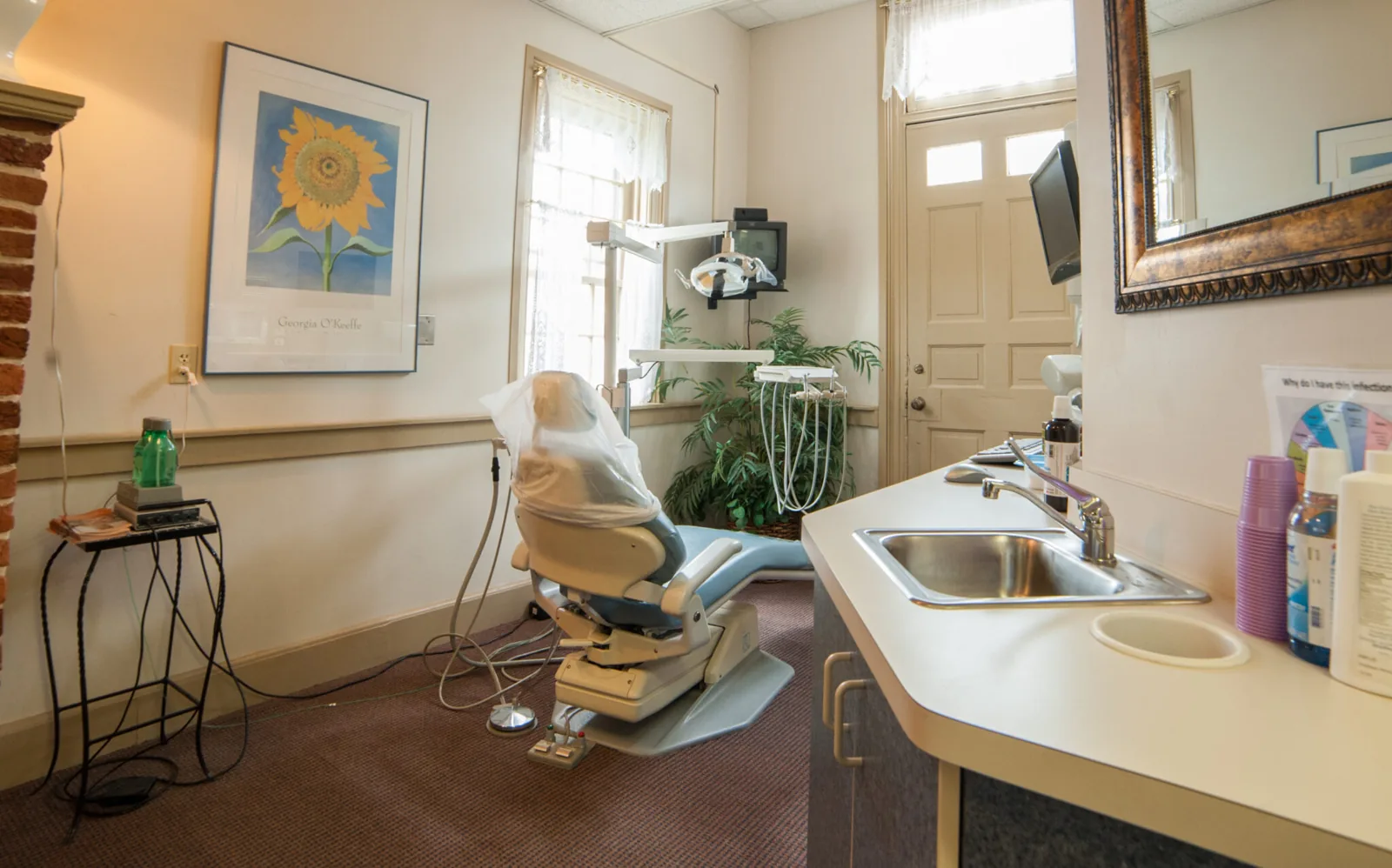
Saving natural teeth comes first.
Dr. Steven Haywood, DDS, graduated cum laude in 1987 and completed a US Air Force residency with internships that included endodontics and oral surgery. That's more than 35 years of experience, here in Shrewsbury.
Digital x-rays
Show infection that doesn't always hurt, with up to 90% less exposure.
Your own tooth
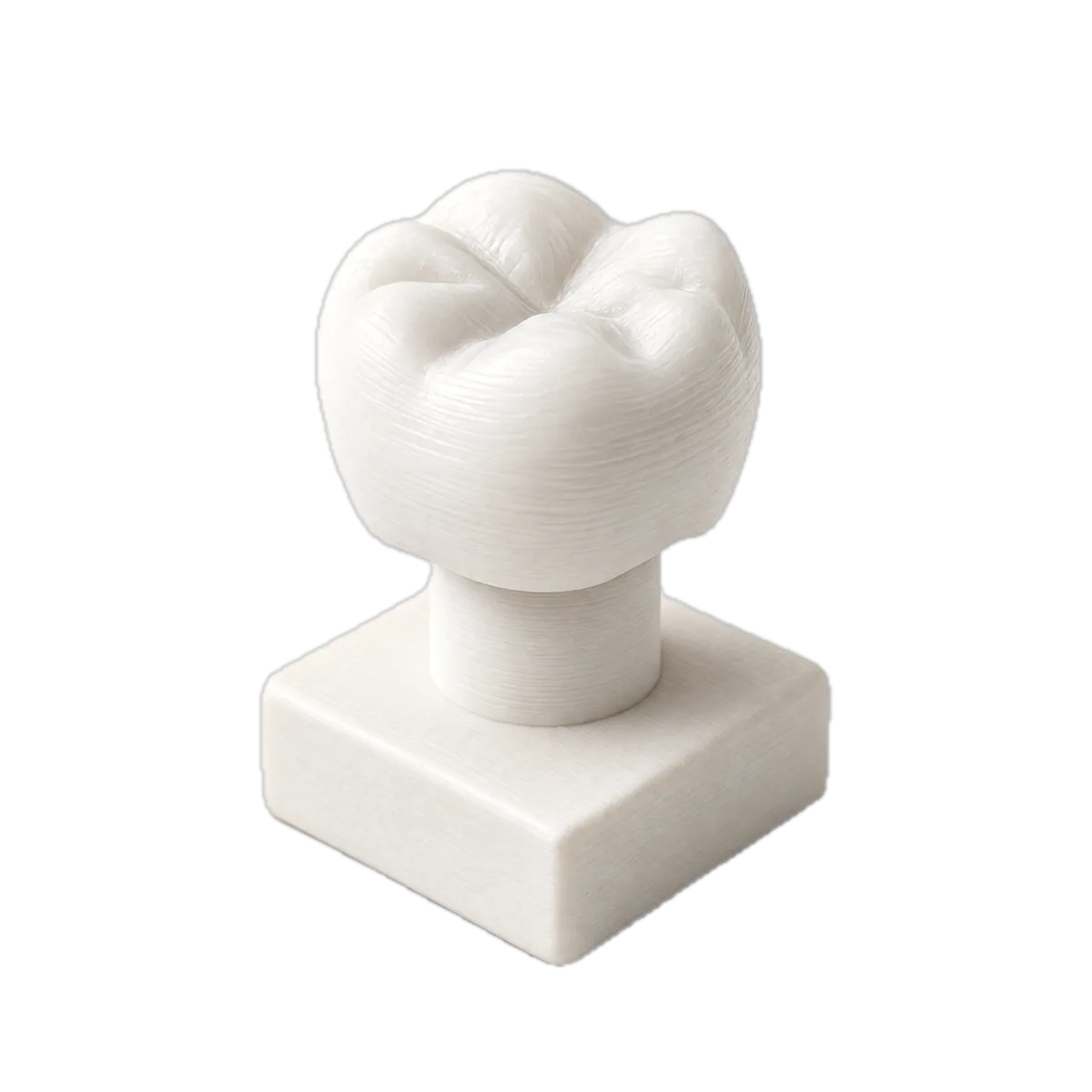
A root canal keeps the tooth instead of pulling it.
Porcelain crown
Caps the fragile tooth and helps keep infection out.
Sedation
An oral sedative for anxious patients.
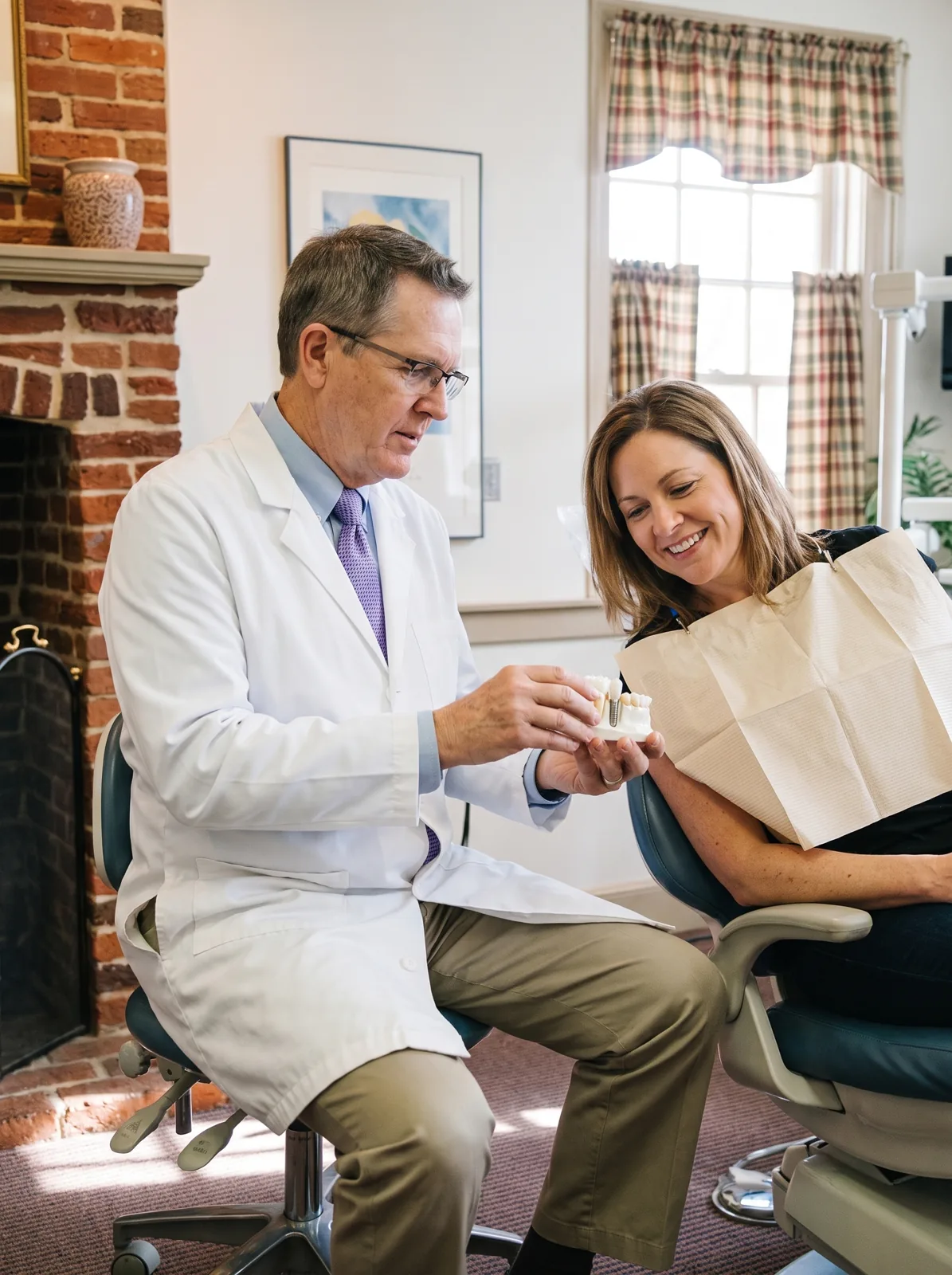
How it works
Find the source of the pain
Dr. Haywood examines the tooth, and digital x-rays help reveal infection, which doesn't always hurt right away.
Clear the infection
The tooth is numbed and may be isolated with a rubber dam. The infection inside is removed. A temporary filling protects the tooth between visits.
Protect the tooth with a crown
A porcelain crown caps the tooth to guard against re-infection and damage. Until then, chew on the other side.
Smile Guide
Plain answers about root canals and saving teeth.
Frequently asked questions
What is a root canal?
Each tooth has a pulp chamber, and root canals are the tiny passages in the roots that lead to it. Nerves run through them. When infection reaches the pulp, root canal therapy is how the tooth is saved.
What happens if an infected tooth isn't treated?
The infection can spread to other teeth or to your bloodstream. An abscess can spread through the jaw and cause swelling, which can become life threatening. Please don't wait for the pain to get worse.
Does it hurt afterward?
Some discomfort for several days is normal, especially when chewing. Take pain medicine as recommended and rinse with warm salt water. Read the post-op instructions.
Why do I need a crown after a root canal?
The tooth is fragile after treatment. A porcelain crown protects it from breaking and helps keep it from being re-infected. Until it's placed, avoid sticky and hard foods on that side.
How does payment work?
Southern York Smile Care is out of network with all insurers. You pay at the visit, and the office files the claim for you. Payment plans are available through CareCredit and Cherry.
Answers to common questions about root canals in Shrewsbury, PA.
Every mouth is different. Your treatment plan, timeline and cost are set at your consultation. Results vary from person to person.