
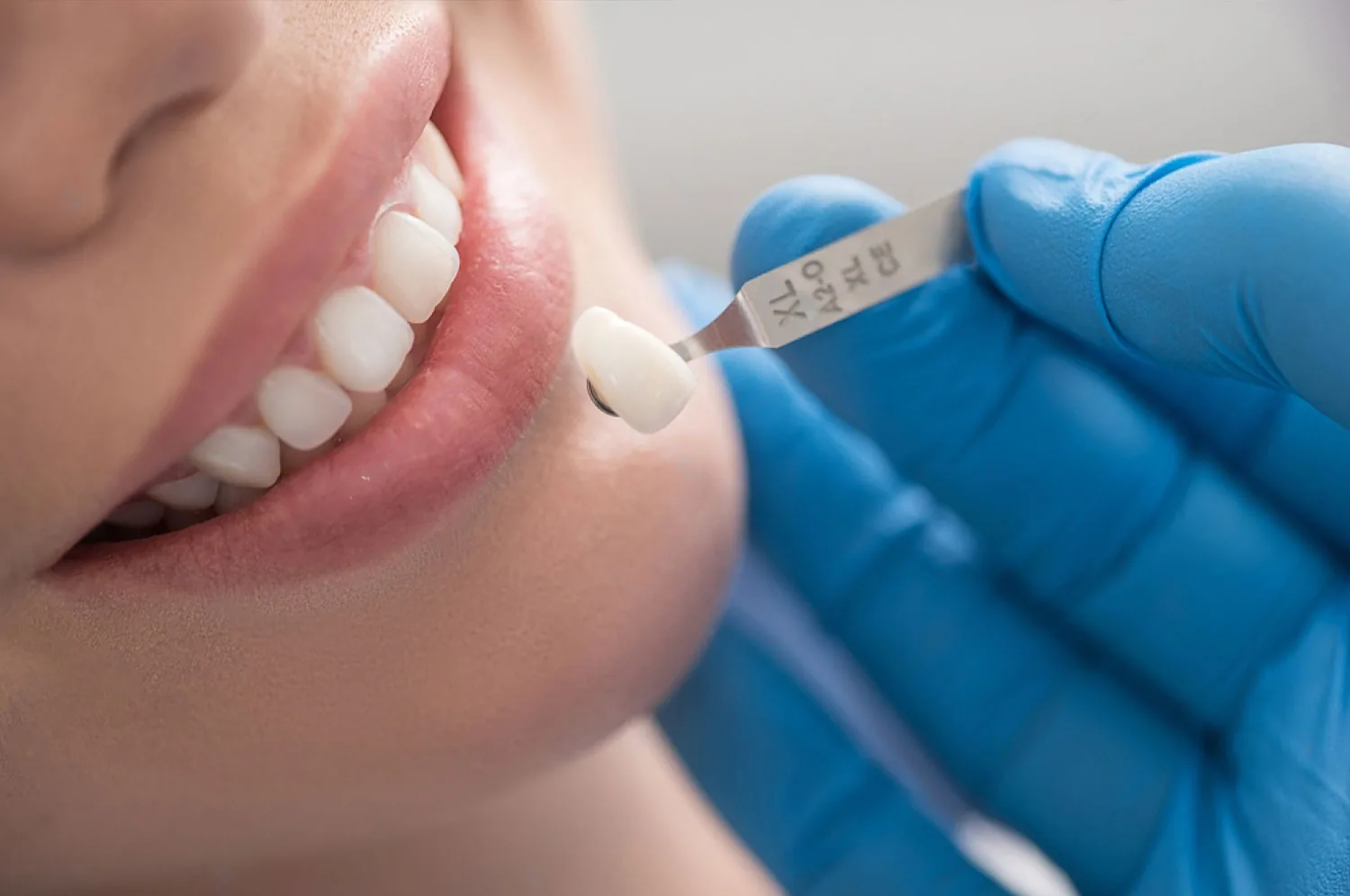
Dental crowns in Shrewsbury, PA cover a weak, cracked or worn tooth so you can chew, speak and smile with confidence again. Here is how a crown works and when you need one. Think of it as a coronation for a tooth that has earned a little royal treatment.
A crown is a tooth-shaped cap that fits over the whole visible part of a tooth, down to the gumline. It holds a damaged tooth together, takes the force of your bite, and restores the shape and color you had before. At Southern York Smile Care, Dr. Steven Haywood, DDS, places crowns as part of everyday restorative dentistry for families in Shrewsbury, York and southern York County.
When a tooth needs a crown
A filling repairs a small hole. When too much of the tooth is gone, a filling has little to hold on to, and the tooth can split under pressure. That is usually the point where a crown becomes the safer choice. Common reasons include:
- A large cavity or an old, oversized filling. When most of the chewing surface is filling material, the walls of the tooth that remain are thin and can break.
- A cracked tooth. A crown holds the pieces together so the crack is less likely to spread toward the root.
- After a root canal. A back tooth that has had a root canal is often more brittle, and a crown protects it from fracture.
- Worn teeth. Grinding, clenching or acid erosion can shorten teeth over the years. Crowns can rebuild their height.
- A tooth that looks out of place. A badly stained or misshapen tooth can be covered so it blends in with its neighbors.
- A dental implant. The visible tooth on top of an implant is also a crown.
Not every damaged tooth needs a full crown. Sometimes a bonded white filling or a porcelain veneer does the job with less change to the tooth. Dr. Haywood will explain which option fits the tooth in front of you, and why.
What crowns are made of
Crowns have been made from gold, metal fused to porcelain, and all-ceramic materials. Each has its place, but most patients today want a crown that looks like a real tooth and has no metal edge that can show as a gray line at the gum.
Southern York Smile Care is a mercury-free office, and our focus is on tooth-colored work. All-porcelain crowns let light pass through the way natural enamel does, so they look lifelike up close. They are also a good fit for patients who prefer to keep metal out of their mouths. Modern ceramics are strong enough for back teeth as well as front teeth, though your bite and habits help decide which material is best.
Matching your smile
A crown should disappear among your natural teeth. The shade, shape and surface texture are chosen to match the teeth next to it. If you are planning to whiten your teeth, it is best to do that first. Crowns do not change color with whitening gel, so the crown is matched to your new, brighter shade.
What getting a crown is like
For most people, a crown takes two visits. Here is what usually happens.
- Exam and imaging. Dr. Haywood checks the tooth, the gum around it and the bone below with low-dose digital X-rays. This confirms the root is healthy enough to support a crown.
- Preparing the tooth. After the area is numb, any decay or old filling is removed and the tooth is shaped so the crown can fit over it.
- A digital scan. Instead of a tray of goopy putty, the team can use the iTero Element 3D scanner to take a detailed digital model of your teeth and bite.
- A temporary crown. You leave with a temporary cap that protects the tooth while the final crown is made.
- Fitting the final crown. At the second visit, the temporary comes off and the permanent crown is checked for fit, bite and color before it is cemented in place.
If you feel anxious about dental work, tell us. Oral sedation is available, and our sedation dentistry page explains how each one feels.
Who places your crown
Dr. Haywood earned a DDS cum laude from the University of Detroit in 1987, completed an advanced residency with the US Air Force, and trained in cosmetic dentistry through the NYU Aesthetic Continuum. With more than 35 years in practice, Dr. Haywood brings both restorative and cosmetic experience to every crown, so the result is built to last and to look natural. You can learn more on the meet the doctor page.
Caring for your crown
A crown cannot get a cavity, but the tooth underneath still can, right where the crown meets the gum. That edge is where plaque likes to collect. The good news is that the habits that protect your natural teeth also protect a crown.
- Brush twice a day with a soft brush, angling the bristles toward the gumline.
- Floss or use a water flosser once a day, sliding the floss gently under the crown edge.
- Avoid chewing ice, hard candy, pens or fingernails. Ceramic is strong, but it can chip.
- If you grind or clench at night, ask about a custom night guard to protect your crowns and your natural teeth.
- Keep your regular dental cleanings so small problems at the crown edge are found early.
With good care, a well-made crown can serve you for many years. How long depends on your bite, your habits and how well the gum and tooth underneath stay healthy.
Signs a crown needs a check
Call the office if a crown feels loose, if your bite suddenly feels high, if you notice a dark line or a gap at the gumline, or if the tooth becomes sensitive to hot, cold or pressure. These can be early signs of decay or a worn seal, and a quick visit is far easier than repairing a broken tooth later.
Crowns, bridges and implants
Crowns also play a part when a tooth is missing. A dental bridge uses crowns on the teeth on either side of a gap to hold a replacement tooth in between. A single-tooth implant replaces the root with a small post and tops it with its own crown, so the neighboring teeth are left alone. If you are weighing those two choices, our article on dental bridge vs dental implant walks through the differences.
Paying for a crown
Southern York Smile Care is out of network with every insurer. You pay at the visit, and the office files the claim with your insurance company so you can be reimbursed under your plan. Many dental plans cover part of the cost of a crown when it is needed to save a tooth. If you would like to spread the cost out, CareCredit and Cherry payment plans are available. Kelley Fisher, our Patient Care and Treatment Coordinator, can walk you through your treatment plan, your insurance questions and your financing options. You can also read more on our financing page.
Book a crown consultation in Shrewsbury
If you have a cracked, worn or heavily filled tooth, a short exam will tell you whether a crown is the right next step. Southern York Smile Care is at 4 S. Main St in Shrewsbury, PA, and we see patients from York, southern York County and northern Baltimore County, MD. Call (717) 235-3871 or request an appointment online.

DDS cum laude 1987, US Air Force residency, NYU cosmetic training and Fellow of the International Congress of Oral Implantologists, with 35+ years in practice.
Meet Dr. Haywood → Spotlight-ready Smiles From Southern York Smile Care
 Dental Implants in York: Replace Missing Back Teeth!
 Comfort and Style with General Dentistry in Shrewsbury PA