

Dental Bone Grafting
Payment plans available · See options
Told you don't have enough bone? Ask us first.
For jawbone that's too thin for an implant, rebuilt so an implant can hold.
Ridge augmentation, sinus lifts, socket grafts
Usually done under sedation
Often at the same visit as the implant
What's included
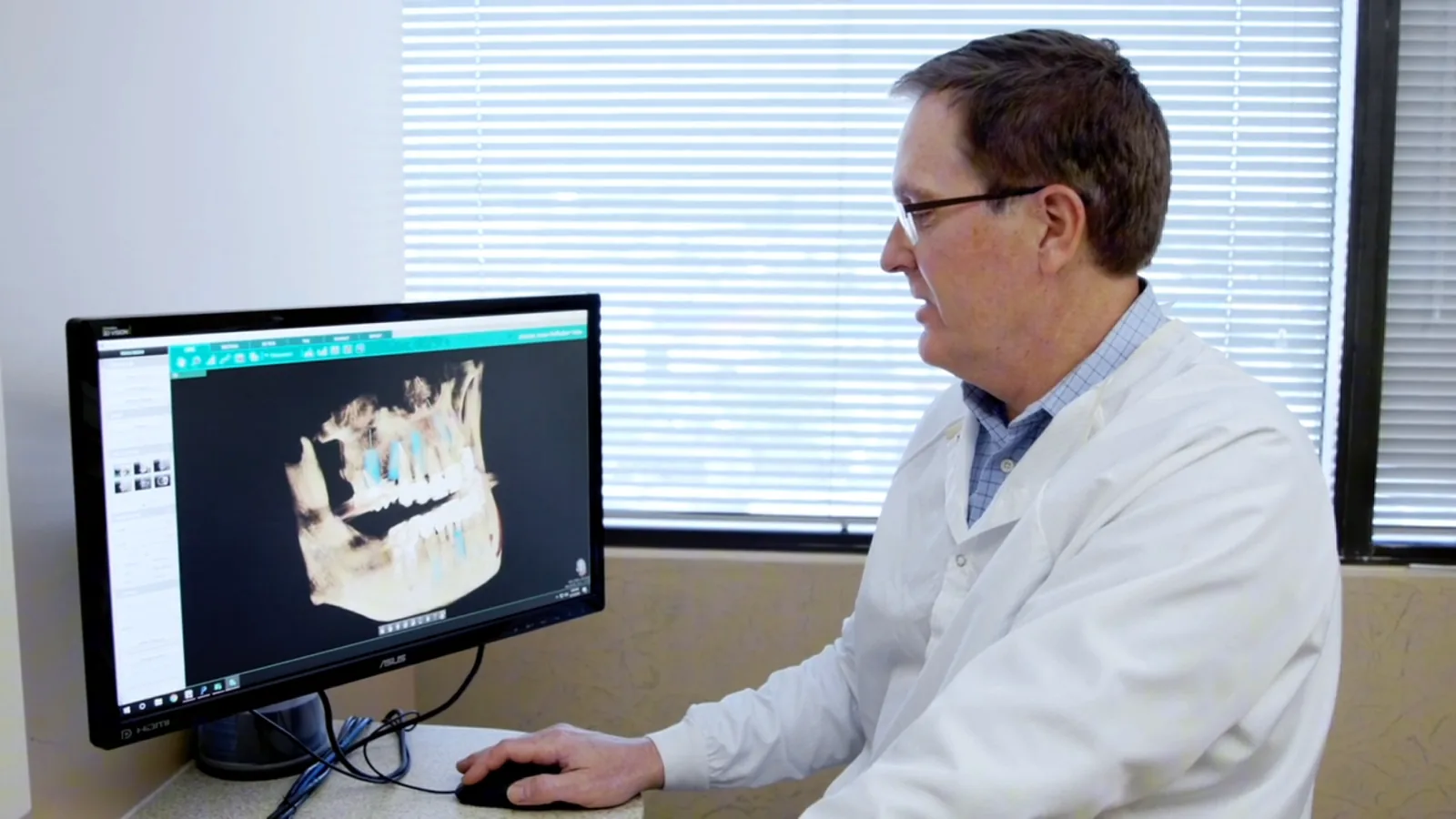
- An exam and 3D CBCT scan
- A plan for the right graft type
- Sedation or anesthesia options
- The graft, with growth factors to speed healing
- Aftercare instructions and follow-up
Who needs a bone graft?
People who want implants but don't have enough jawbone height or width, often after losing teeth or gum disease, and anyone preserving a socket after an extraction.
Recovery
You go home the same day, with a driver if you had sedation. Most people feel normal in a week or two; the bone takes four to six months, sometimes longer, to be ready for an implant.
Bone that supports your smile, and your face
Implants need enough jawbone to hold. The jaw also supports the skin and muscles of your face, which can look older without it. Bone grafting rebuilds what's been lost.
Benefits
Makes implants possible.
Implants become possible
Rebuilds the height and width of bone an implant needs.
Keeps your face's shape
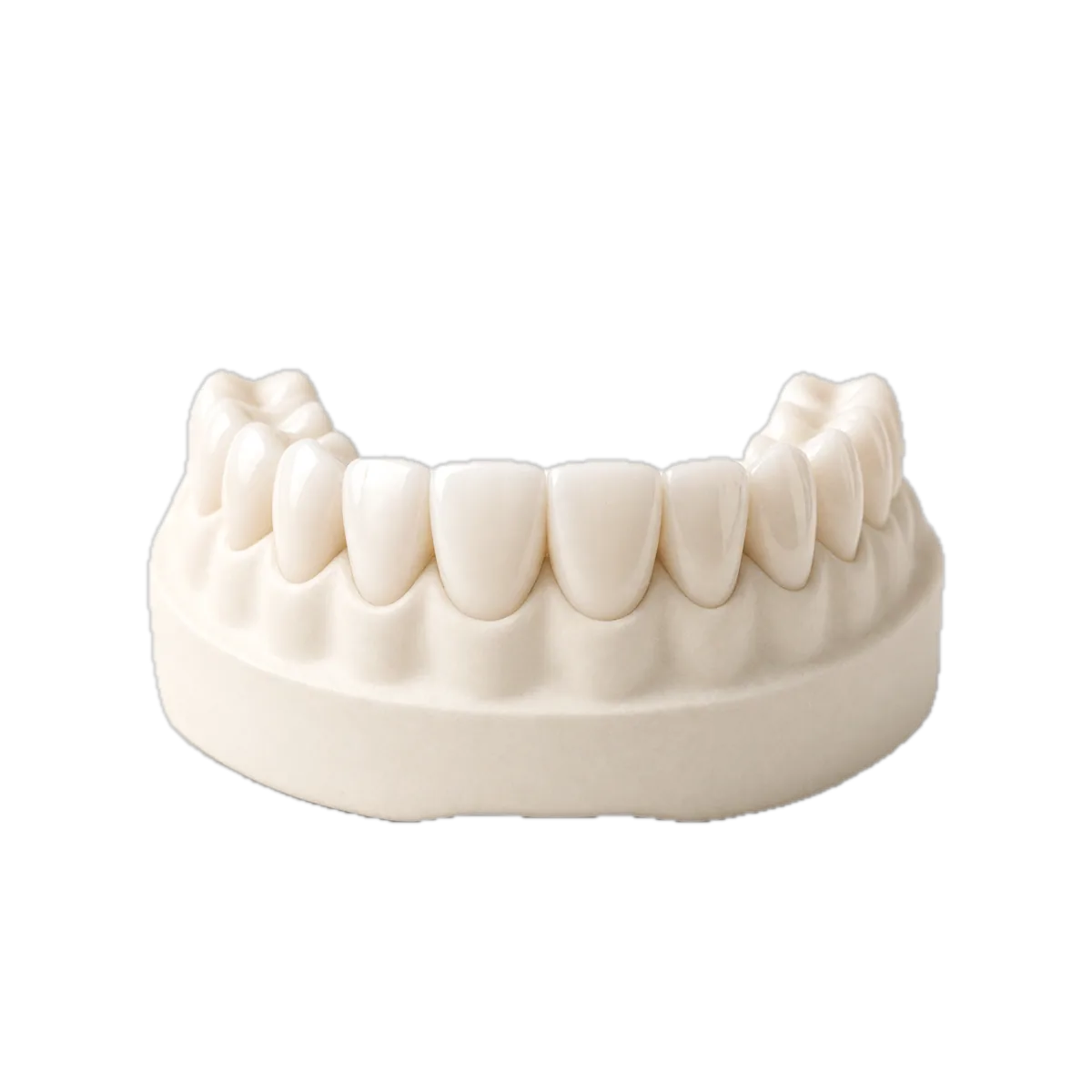
Restoring bone helps prevent the sunken look of bone loss.
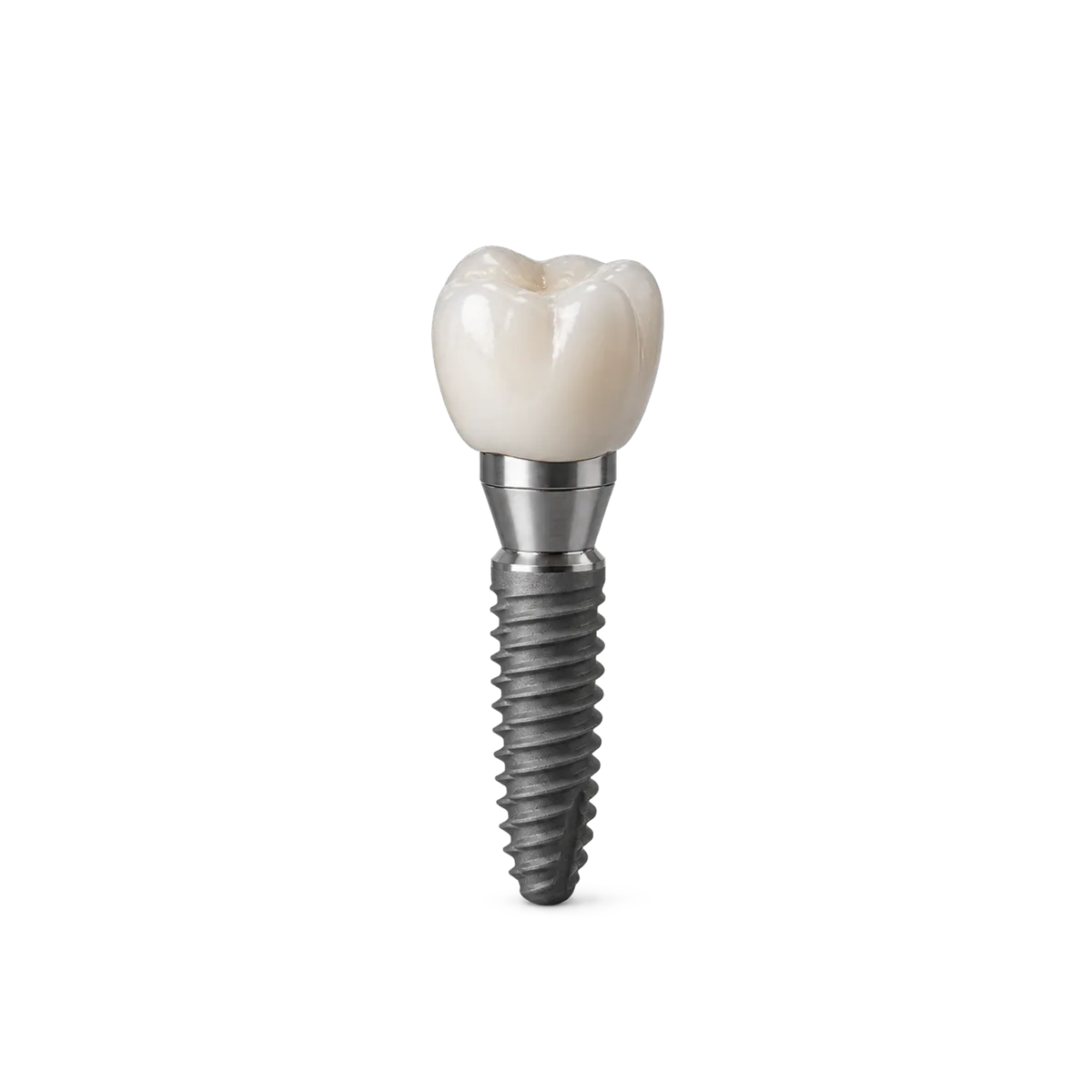
Saves the socket
A graft right after an extraction keeps bone for a future implant.
Comfortable
Usually done under sedation, so you feel little to nothing.
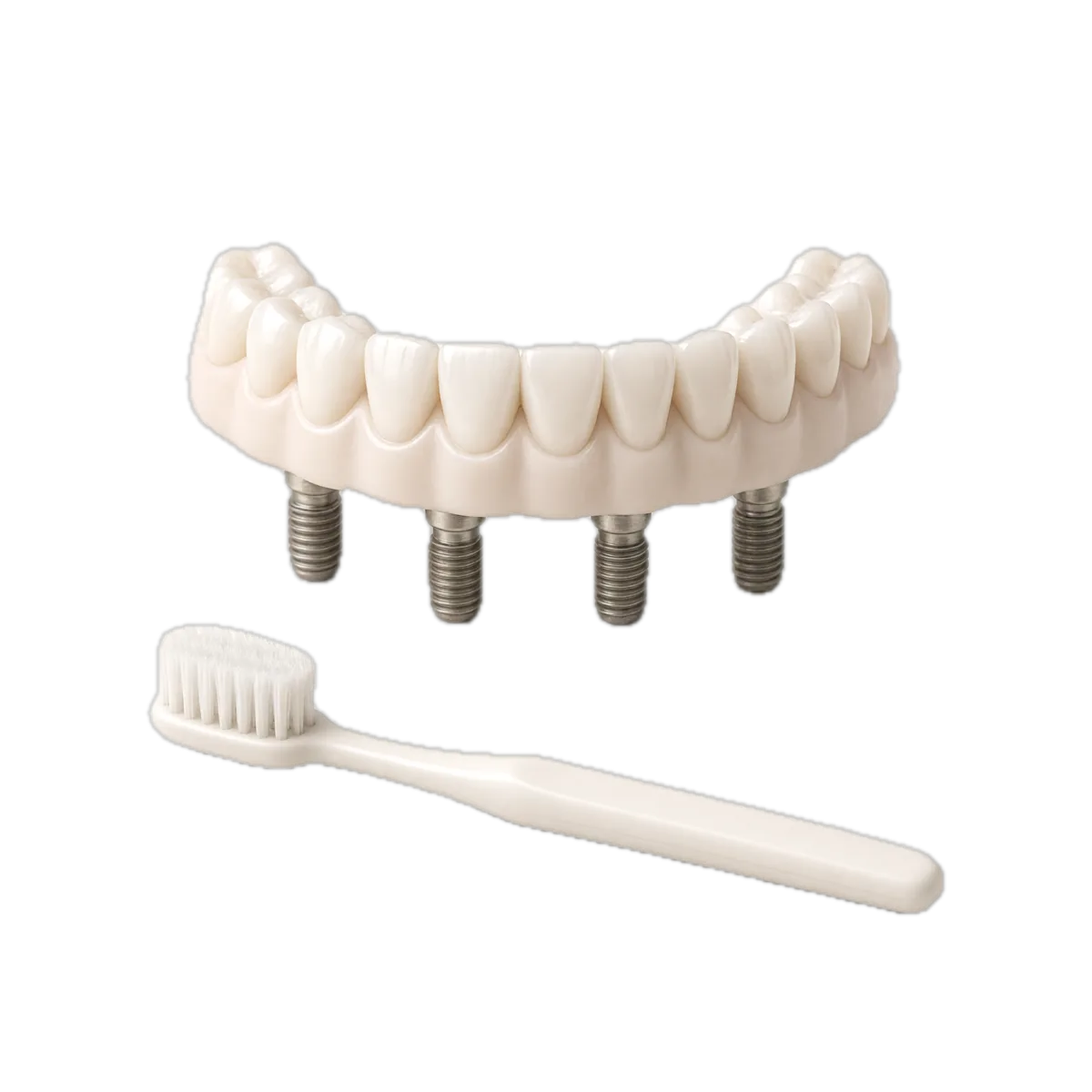
Often one visit
Grafting can sometimes be done at the same time as the implant.
Real stories, real smiles
Spread the cost
Monthly plans through CareCredit and Cherry. Checking your options doesn't affect your credit score, and both give an instant decision.
*Subject to credit approval. Visit carecredit.com for details. For new CareCredit accounts as of 5/30/24: Purchase APR is 32.99%. Penalty APR is 39.99%. Minimum Interest Charge is $2. CareCredit is a Synchrony solution.
Four kinds of bone graft
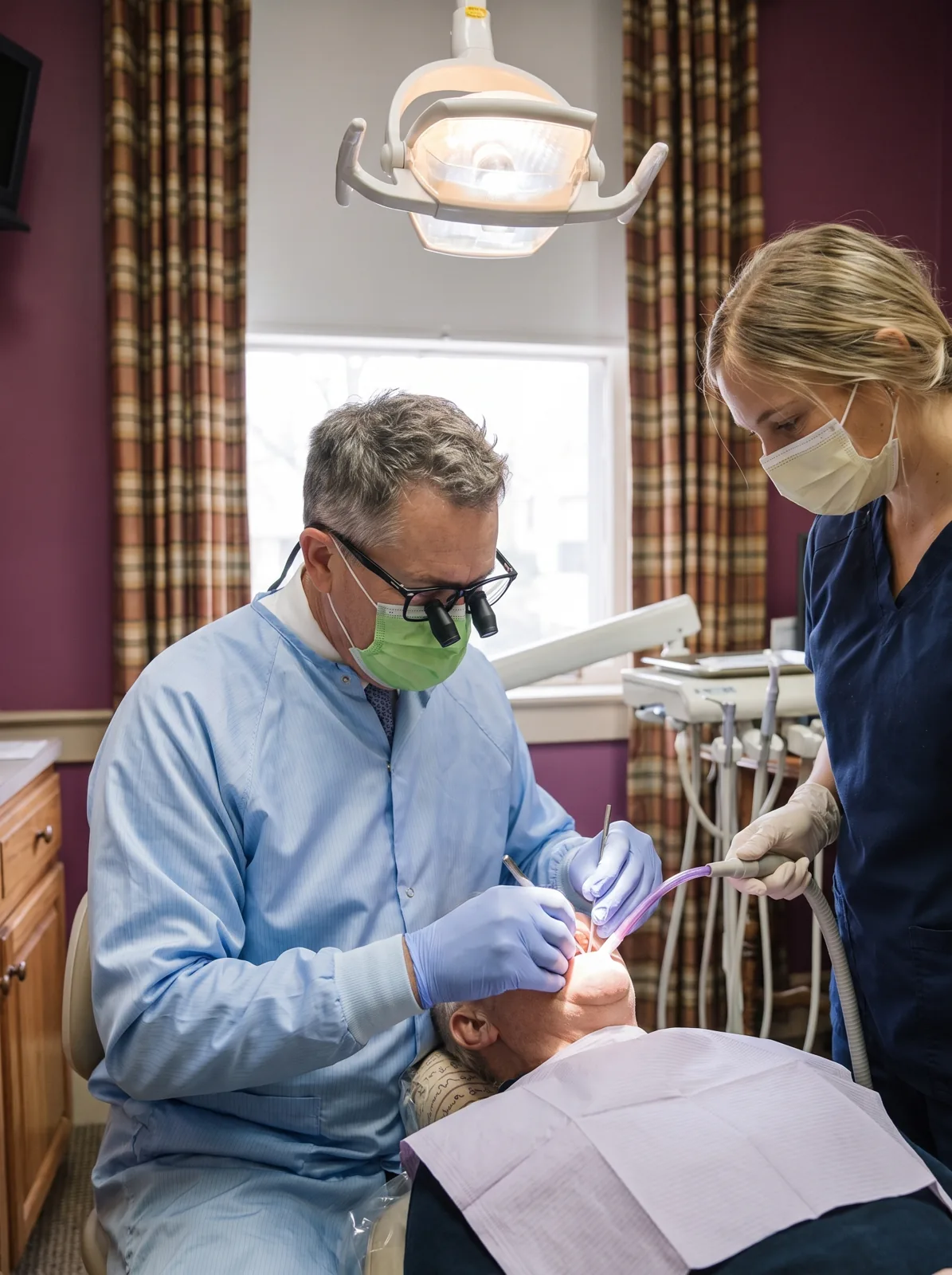
Your 3D scan decides which graft you need.
Dr. Steven Haywood, DDS, ICOI Fellow, evaluates your bone on a CBCT scan, then chooses the graft and the sedation that suit you.
Ridge augmentation
Builds up the bone ridge where an implant will go.
Sinus lift
Adds bone below the sinus when the upper back bone is too thin.
Socket graft
Fills the empty socket to keep bone for a later implant.
Simultaneous graft
Adds bone during implant placement, when enough natural bone remains.
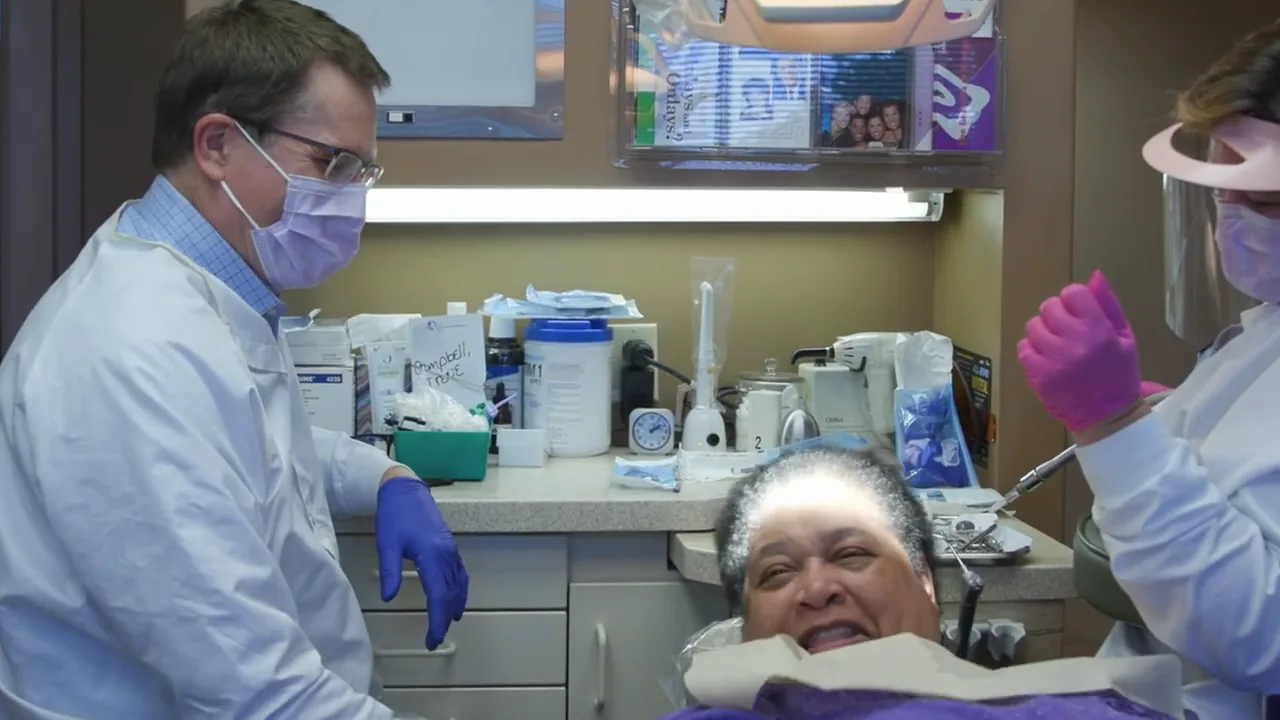
How it works
Consultation and 3D scan
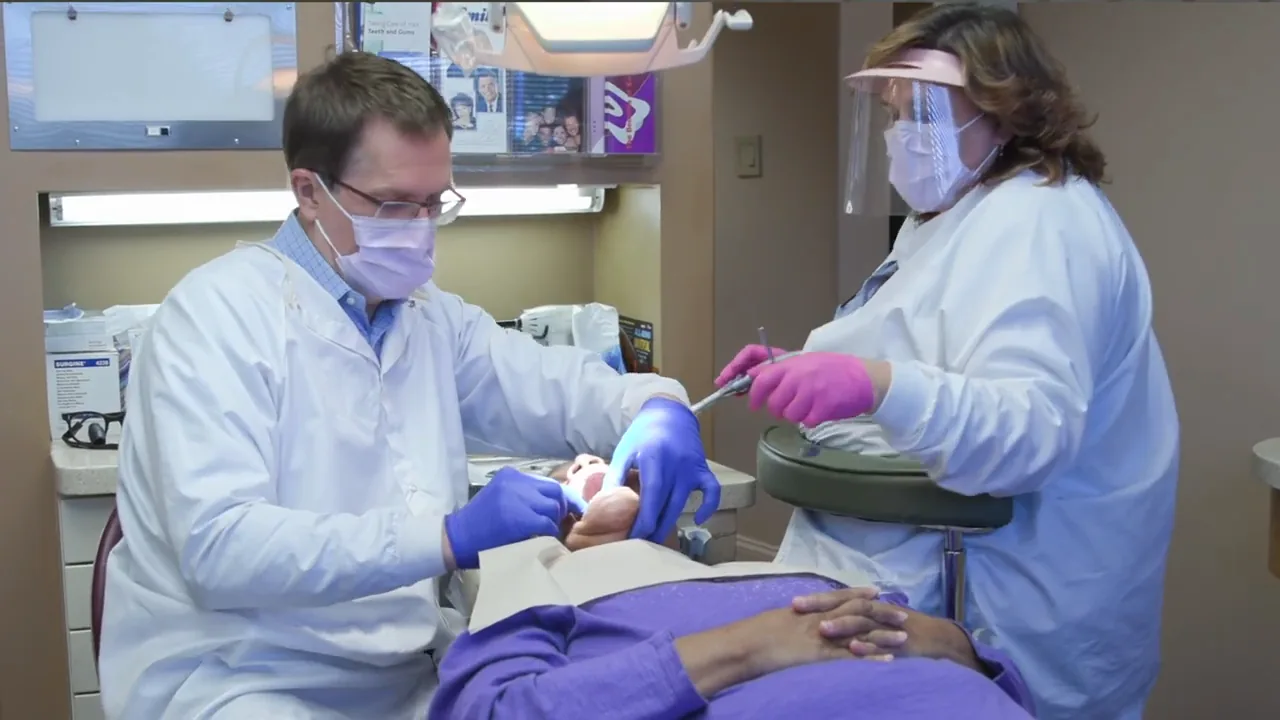
Dr. Haywood checks your bone and explains your graft options and whether sedation suits you.
Graft placement
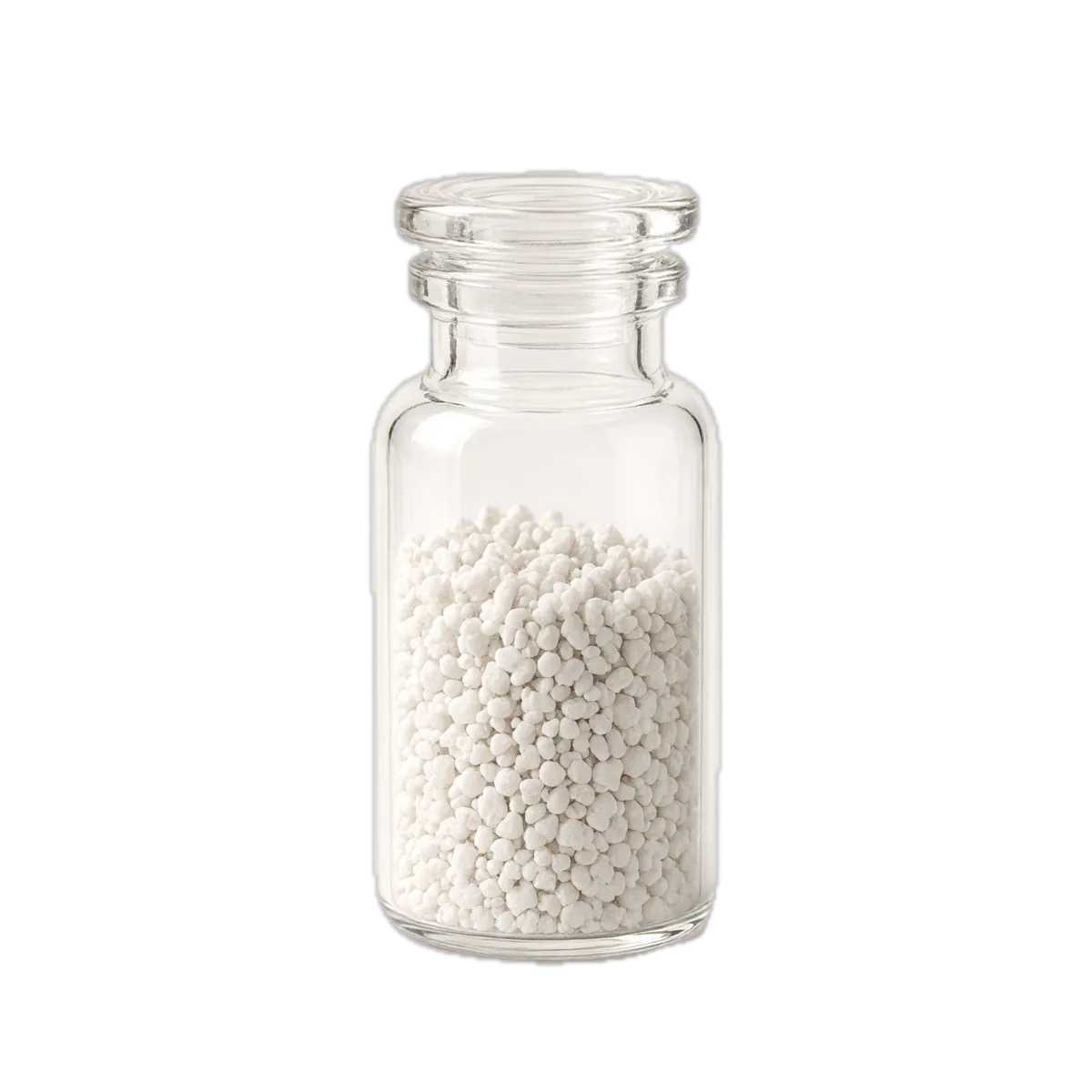
Under sedation, graft granules are placed where bone is lacking and the area is closed.
Healing
The graft becomes your own bone over four to six months, then your implant can go in.
Smile Guide
Plain answers about dental implants.
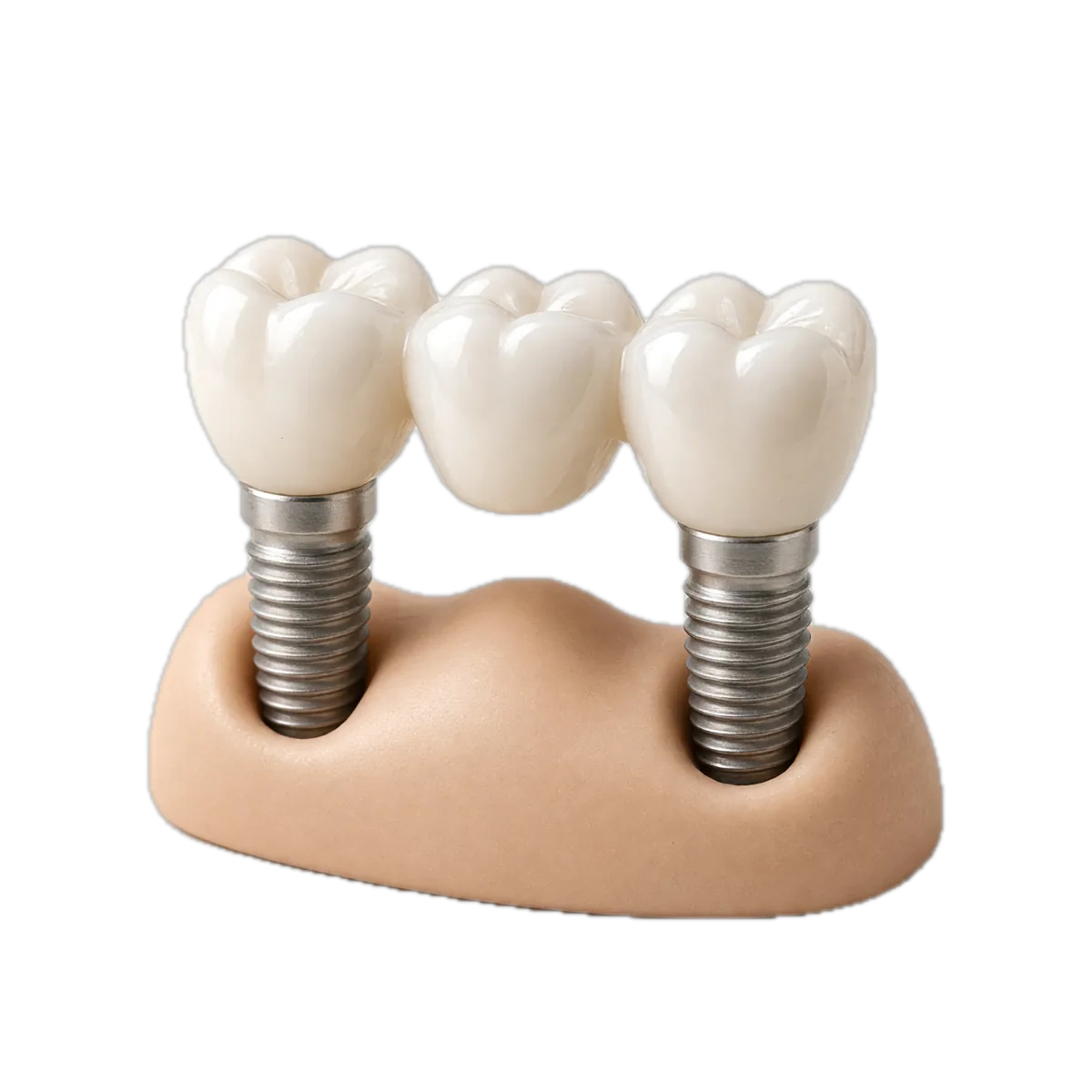
Frequently asked questions
How long does a bone graft take to heal?
You may feel normal in a week or two, but full healing takes three to nine months, sometimes longer.
Is bone grafting painful?
Most patients do just fine and are pain-free when they take their antibiotics as prescribed.
Is a bone graft more painful than an implant?
It can be a little more uncomfortable than a simple implant, depending on the technique.
Is bone grafting permanent?
Yes. Over a few months the graft grows new bone that becomes a permanent part of your jaw.
When can I chew on the graft?
Eat soft foods for at least two days and avoid chewing on the graft site for about two months.
When can I brush near the graft?
Don't brush the teeth beside the graft for seven days, then brush gently without touching the site.
Answers to common questions about dental bone grafting in Shrewsbury, PA.
Every mouth is different. Your treatment plan, timeline and cost are set at your consultation. Results vary from person to person.