Dental FAQs
These are the questions our patients ask most often. If your question is not answered here, give us a call. The team at Southern York Smile Care will be happy to help.
32 answers in 6 topics
Taking care of your teeth and gums
 Taking care of your teeth and gums
Brushing, flossing and check-ups: the daily habits that keep your mouth healthy.
How often should I brush and floss my teeth?
Brush at least twice a day: once in the morning and once before bed. Floss once a day as well.
How often should I visit the dentist?
Visit the dentist at least twice a year. A dental exam can show early signs of decay and disease that you may not see or feel. Catching these early helps control them before they get worse and harder to treat.
A cleaning by a trained professional also removes plaque in places you may have missed or cannot reach. See our preventive dentistry page.
What is plaque?
Plaque is a sticky, clear film that forms on your teeth every day from food and bacteria. If it is not removed, it can lead to gum disease and cavities.
Regular check-ups, with brushing and flossing every day, help prevent plaque buildup. Avoiding sugary snacks and eating a balanced diet also helps control plaque.
What is the proper way to brush my teeth?
These steps help you brush correctly:
- Use a soft-bristled brush. Hard bristles can wear down the enamel of your teeth.
- Hold the brush at a 45-degree angle to your gumline. The bristles should touch both the tooth and the gumline.
- Use short back-and-forth strokes or tiny circles. Each movement should be no bigger than one tooth.
- Brush gently. Gentle strokes remove plaque well, while too much pressure can wear down your enamel.
- Brush every surface of each tooth: the outer, inner and chewing surfaces.
- Don't cut it short. Brush for at least 2 minutes.
What is the proper way to floss?
These steps help you floss correctly:
- Take 18 inches of floss and wind it around the middle finger of each hand. Use these fingers to take up the floss as it gets dirty. Pinch the floss with your thumb and forefinger, leaving 1 to 2 inches between them for cleaning.
- Gently move the floss up and down between your teeth. Never snap it down onto your gums, as this can cause damage.
- As the floss goes down between two teeth, slide it up and down against one tooth. Gently clean at the gumline too. Then do the same for the other tooth.
- Repeat for all of your teeth.
Periodontal (gum) disease
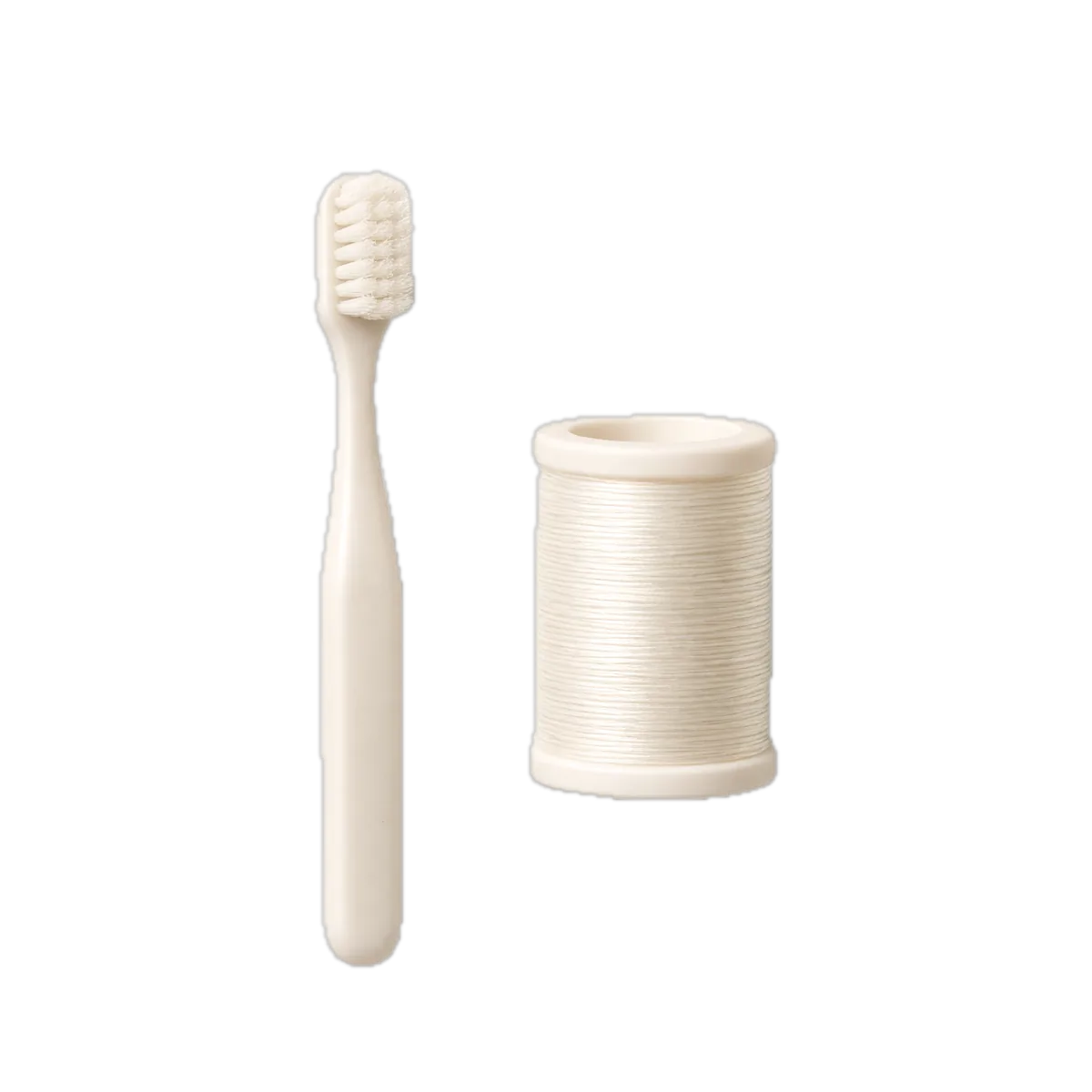 Periodontal (gum) disease
What gum disease is, the signs to watch for and how to prevent it.
How can I prevent periodontal disease?
Good oral hygiene prevents periodontal disease. That means brushing, flossing and seeing your dentist regularly. Eat a healthy diet, too, to get the vitamins and minerals your teeth need.
What are the signs of periodontal disease?
These are signs of periodontal (gum) disease. Contact your dentist if you notice any of them:
- Gums that bleed when you brush
- Red, swollen or tender gums
- Gums that have pulled away from the teeth
- Bad breath that doesn't go away
- Pus between your teeth and gums
- Loose teeth
- A change in the way your teeth fit together when you bite
- A change in the fit of partial dentures
Learn more about our gum disease treatments.
What is periodontal (gum) disease?
Periodontal (gum) disease is an infection of the gums and bone that hold your teeth in place. It usually starts when plaque builds up on the teeth and hardens, often because of poor brushing habits.
In the early stage, called gingivitis, the gums can become red and swollen. As the disease advances, it can lead to sore and bleeding gums, pain when chewing and tooth loss.
What can I do about bad breath?
Bad breath has many causes, including the foods you eat, periodontal disease and dry mouth. A visit to your dentist helps find the cause so you can take steps to get rid of it.
Whatever the cause, good oral hygiene and regular check-ups help. Brushing and flossing remove bits of food stuck between your teeth that give off odors. They also help prevent or treat gum disease, which can cause bad breath.
Clean dentures well and soak them overnight in an antibacterial solution, unless your dentist advises otherwise. Finally, brush your tongue regularly to remove any residue.
Teeth whitening
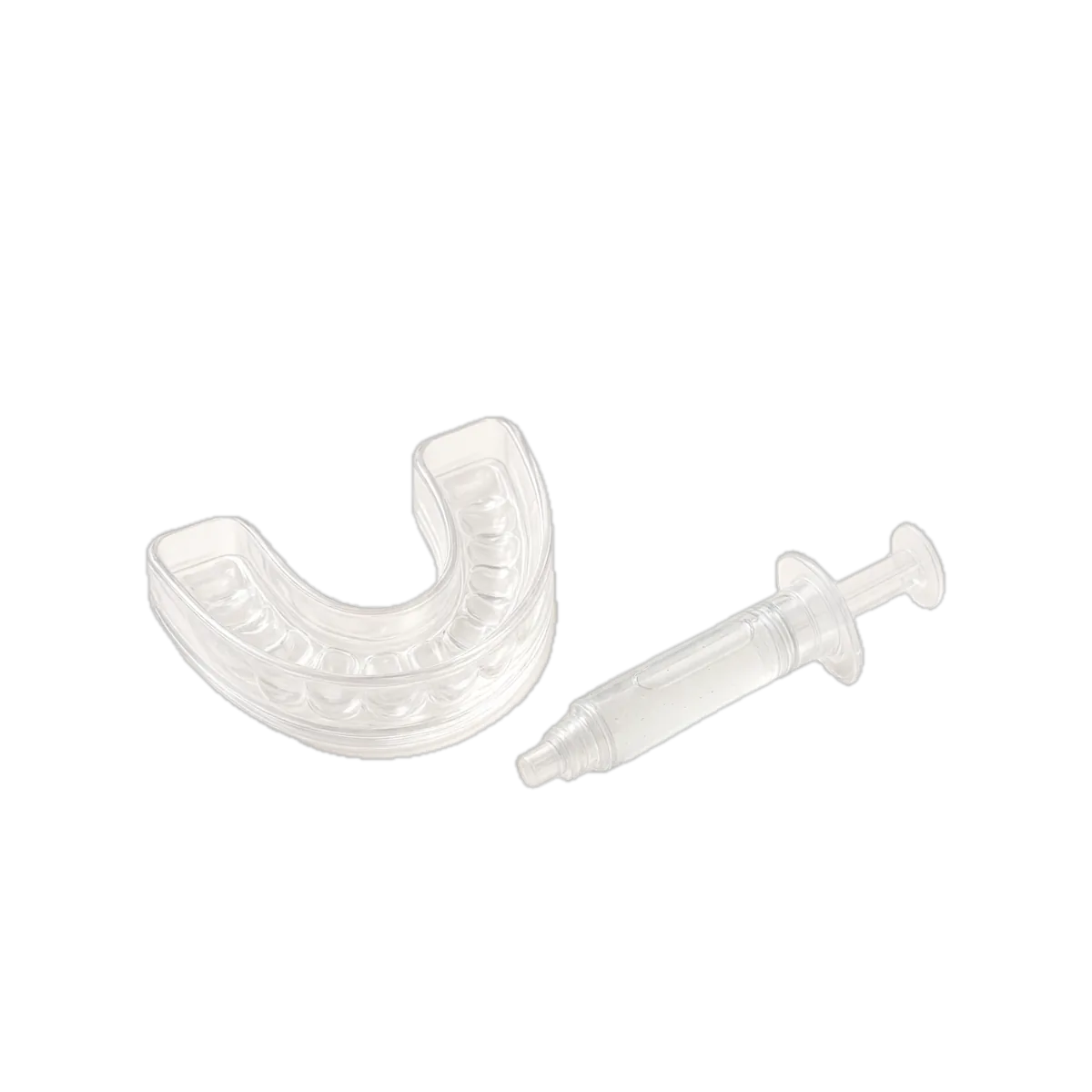 Teeth whitening
How whitening works, how long it lasts and which option to choose.
How long does teeth whitening last?
Whitening usually lasts one to three years before you notice your teeth darkening. Once your teeth have been whitened, you usually only need touch-ups to keep them white.
What are the different types of teeth whitening options?
These are the three most popular whitening options today.
In-office teeth whitening. This gives a big color change in a short time, usually within an hour. It is done at the dentist's office with a high-strength peroxide gel, after your gums are protected with a special shield.
Take-home kits from your dentist. You buy these kits from your dentist and use them at home. The gel is weaker than the in-office gel, so it can be worn longer. The trays are usually worn a couple of hours a day or overnight for a few days or weeks, depending on the product.
Over-the-counter whitening. Store-bought kits use a weaker gel than both in-office and take-home kits. They are cheaper, but usually less effective. The trays are not custom fit, which can irritate your gums.
See our laser whitening page.
Why do our teeth turn yellow?
Teeth start out pearly white but can discolor over the years as enamel wears down. Thinner enamel lets the dentin show through. Dentin is the yellow layer that makes up the core of each tooth, and it gives teeth a yellowish tint.
All about dental implants
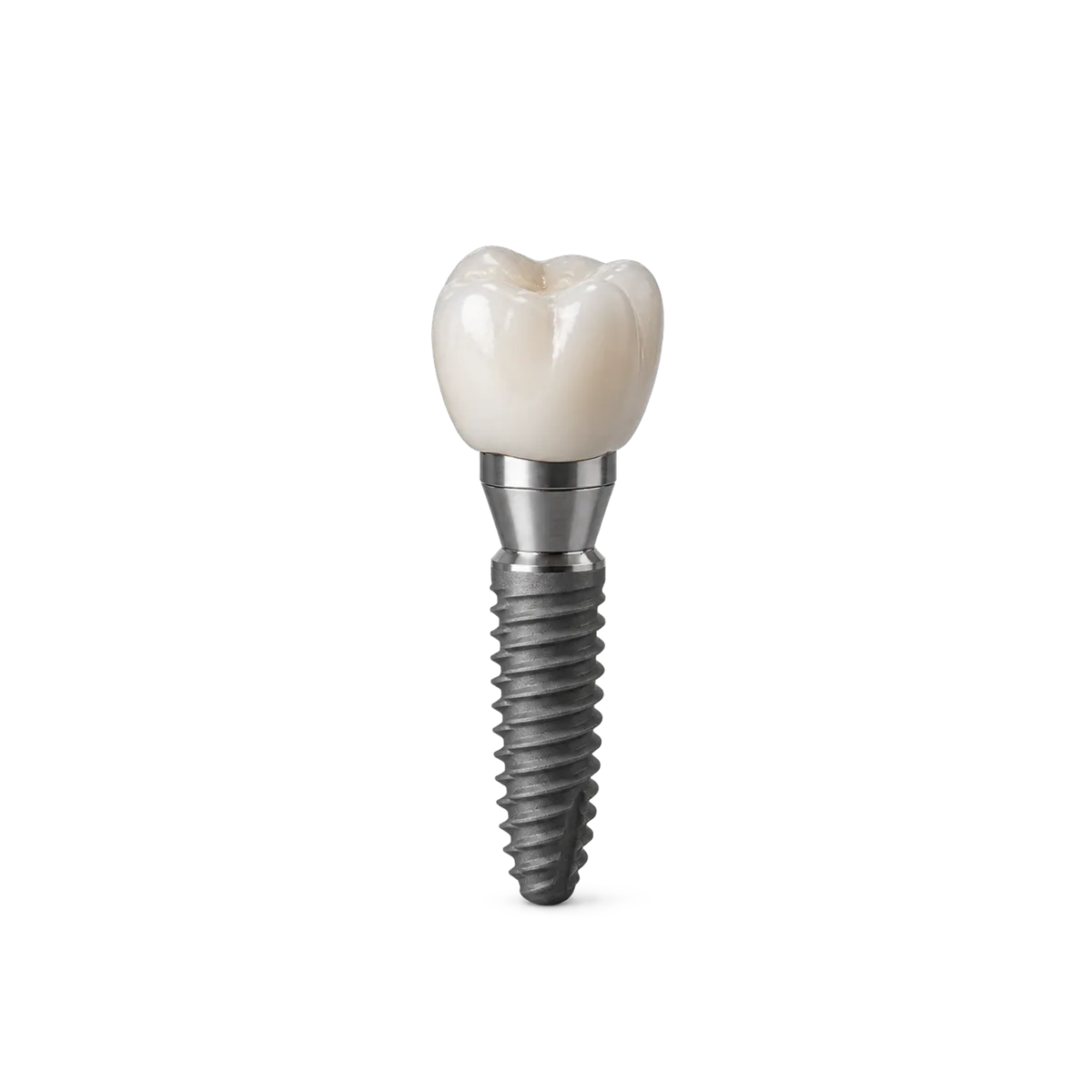 All about dental implants
Cost, timing, bone and how long implants last.
Are implants expensive?
To replace a single tooth at Southern York Smile Care in Shrewsbury, PA, an implant is usually less expensive than any other option. The cost goes up with the complexity of the case, the history of tooth loss and where the implant sits in the mouth.
Are implants or bridges a better choice?
A missing tooth used to be replaced with a bridge. A bridge needs most of the outer tooth structure removed from the teeth on each side of the space.
With an implant, you only need a crown on top of the implant itself. The neighboring teeth are left untouched and completely intact.
Are implants the right decision for me?
Implants are made of titanium, a material the body accepts well. They replace one or more teeth and can be a more attractive option for most people. Some benefits:
- They join with the bone and act like a tooth root to support new teeth.
- They do not decay and do not carry the same gum disease risk as natural teeth.
- They look, feel and work like natural teeth, unlike other options.
Read more about dental implants.
Can implants be used to restore multiple teeth?
Yes. Implants can restore several teeth, a full set of fixed or removable teeth, or even a complete denture.
When you lose teeth, the bony ridges in your mouth start to shrink. Implants help keep the bone from shrinking, which leaves you more tooth replacement options in the future.
How can I get a full set of teeth in one day?
Southern York Smile Care uses CAT scan planning to plan for teeth the same day and for precise surgery. Most of the time goes into planning. With that done, we can deliver care quickly and never leave you without teeth, whatever your need. See All-on-4 dental implants.
How long do implants last?
Research shows that implants are 98% successful, a higher success rate than almost anything else in dentistry. With professional care, implants can last a lifetime. Ask us about our warranty.
What if I do not have enough bone in my jaw for implants?
Minor grafting can rebuild bone lost after an extraction, even one from years ago. We do this often in the office when more bone is needed for an implant to succeed. With expert care and planning, an implant is possible in almost any situation. See dental bone grafting.
When an implant is placed, how long until I get my new tooth?
For front teeth, Dr. Haywood aims to place a temporary tooth the same day. Back teeth are often left to rest 6 to 8 weeks before they take full chewing force.
If there is doubt about the strength of the bone, more time may be needed (7 to 10 months). In every case, clinical experience and current research guide when we finish the implant tooth. We plan for long-term success, and we do not rush.
Porcelain veneers
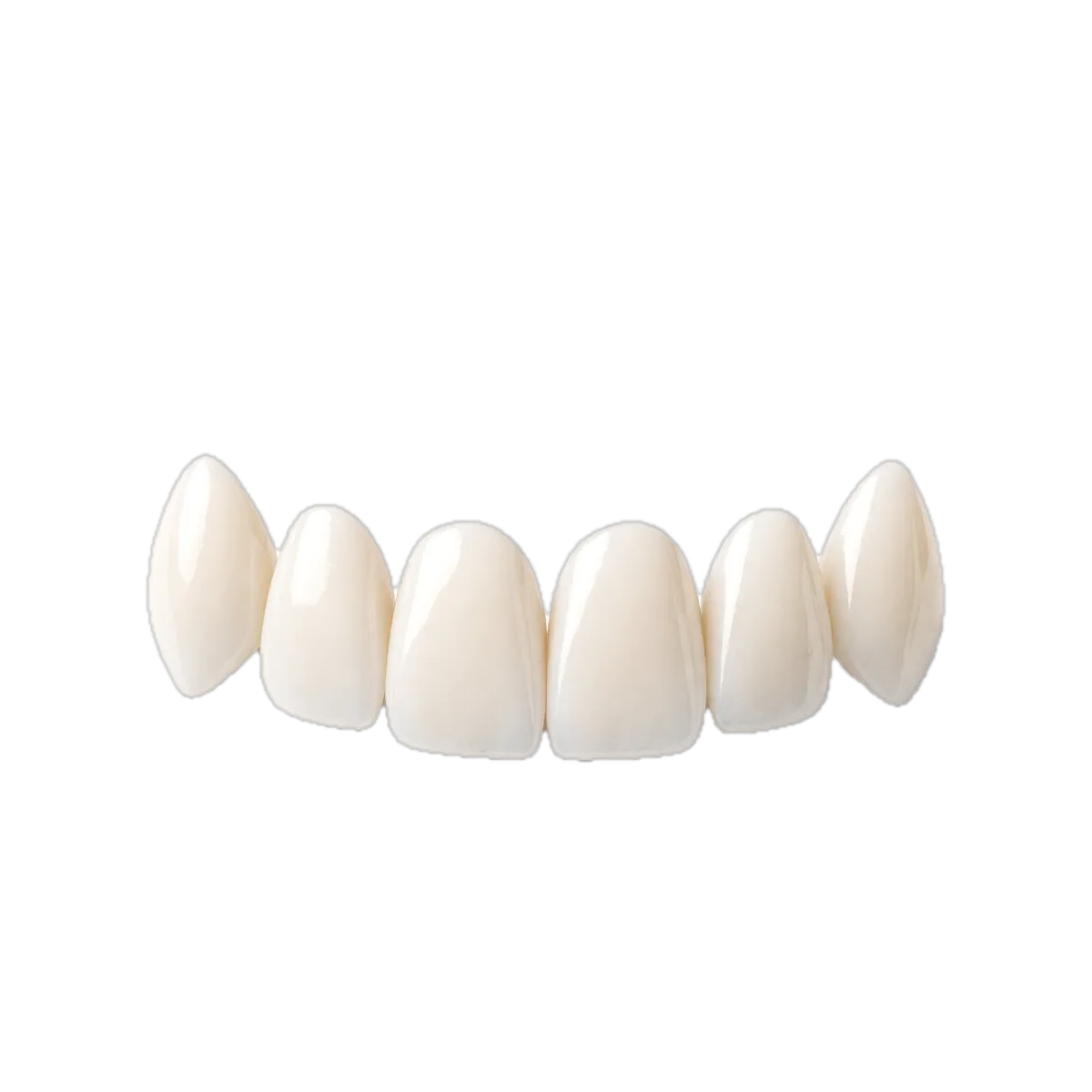 Porcelain veneers
How many you need, how long they take and how long they last.
How long do veneers last?
Veneers can chip or break under severe conditions and may need to be replaced. In Dr. Haywood's experience, only the strongest materials we have today are more durable than the teeth they restore. We stand by our work unconditionally for 2 years.
How long does it take to get a set of veneers, or just one?
We can work quickly if you ask, or take longer to make sure you are happy with the look. Cosmetic dentistry is an art as well as a technical skill, and the smile you picture is not always easy to reach.
We take the time needed to create beautiful smiles. We can also work as quickly as one week from start to finish if that is your request.
How many veneers do I need?
The best answer comes from looking at your own smile. Look at your upper teeth from the side as well as the front. Most people show 8 to 10 teeth that matter in a good smile. The lower teeth may matter less, or more, to some people.
A full makeover often includes 20 teeth. A conservative plan uses 4 to 8 for a moderate change. See porcelain veneers.
How much of my tooth is removed with veneers?
Compared with older-style crowns, veneers remove much less enamel, and some veneers need no tooth removed at all. See prepless veneers. Good planning and expertise lead to the best looking result.
What are veneers?
Porcelain veneers are thin shells of porcelain that cover the front, the edge and a small part of the back of the front teeth.
They are used for cosmetic and repair purposes: to cover stained and worn teeth, to straighten slightly crooked teeth, to change the shape and color of your teeth, or to replace failing old white or mercury fillings.
Will my veneers change color?
Porcelain does not stain like most other dental materials, or even natural teeth. Your veneers keep their shade for their lifetime.
Other common questions
 Other common questions
Mercury fillings, white fillings and simple ways to improve your smile.
Is the mercury dangerous to remove?
If you are concerned about the metal debris, Southern York Smile Care in Shrewsbury, PA is ready to use special measures to protect you. The dental profession does not consider removal a health risk.
Should I get my mercury fillings removed?
At Southern York Smile Care, our view is that mercury "amalgam" fillings are outdated for most of our patients, because of their potential for toxicity, their poor appearance and the fact that they cannot bond to the tooth.
Statistics from Harvard dental school list a 90% rate of decay under mercury fillings, and most have lasted long past their designed lifetime. In our office we offer replacement options for every mercury filling we find. See holistic dentistry.
What are composite fillings?
Composite is a tooth-colored resin or ceramic filling material that comes in many forms. It can be bonded to your teeth to make an excellent repair.
Resin is used for white fillings and sometimes as an in-office veneer material. Resin veneers cost less and are less invasive than porcelain veneers, but they don't last as long as porcelain. See white dental fillings.
What are the options for mercury replacement?
The answer is a definite "it depends." The larger the old filling and the damage, the more research shows that stronger materials are needed. Today's onlays are often made of very durable pressed ceramics.
Smaller fillings can be replaced with cost-effective white fillings. These can last quite a while, but size is the limit, as they are one-third the strength of bonded porcelain or ceramic. We will go over your options when we see you.
What is cosmetic dentistry?
There are many ways to improve your smile with cosmetic dentistry. Options range from whitening to veneers to crowns, with or without Clear Correct orthodontics first. Almost anything that improves your smile falls in this field.
Dr. Steven Haywood, DDS, has studied extensively and has given a large part of the practice to smile transformations, from subtle changes to extreme makeovers shown on network television and in magazines. See cosmetic dentistry.
What is the easiest way to improve my smile?
The least invasive way is whitening your teeth, in the office or at home. Keep in mind that whitening does not work well on tetracycline-stained teeth, and it does not whiten tooth-colored fillings or porcelain very much.

Call the office and our team will be happy to help. Kelley can answer questions about cost, insurance and payment plans.