
Mini Implants
Payment plans available · See options
Not sure a smaller implant suits you? A 3D scan will show us.
Implants sized to fit your mouth, and cared for so they last.
Sized for the space
Planned on a 3D scan
Care that protects your implants
What's included
- An exam, X-rays and a 3D CBCT scan
- An implant sized for your space and bone
- Cleanings every 3 to 4 months
- Home-care tools and tips
- A night guard if you grind or clench
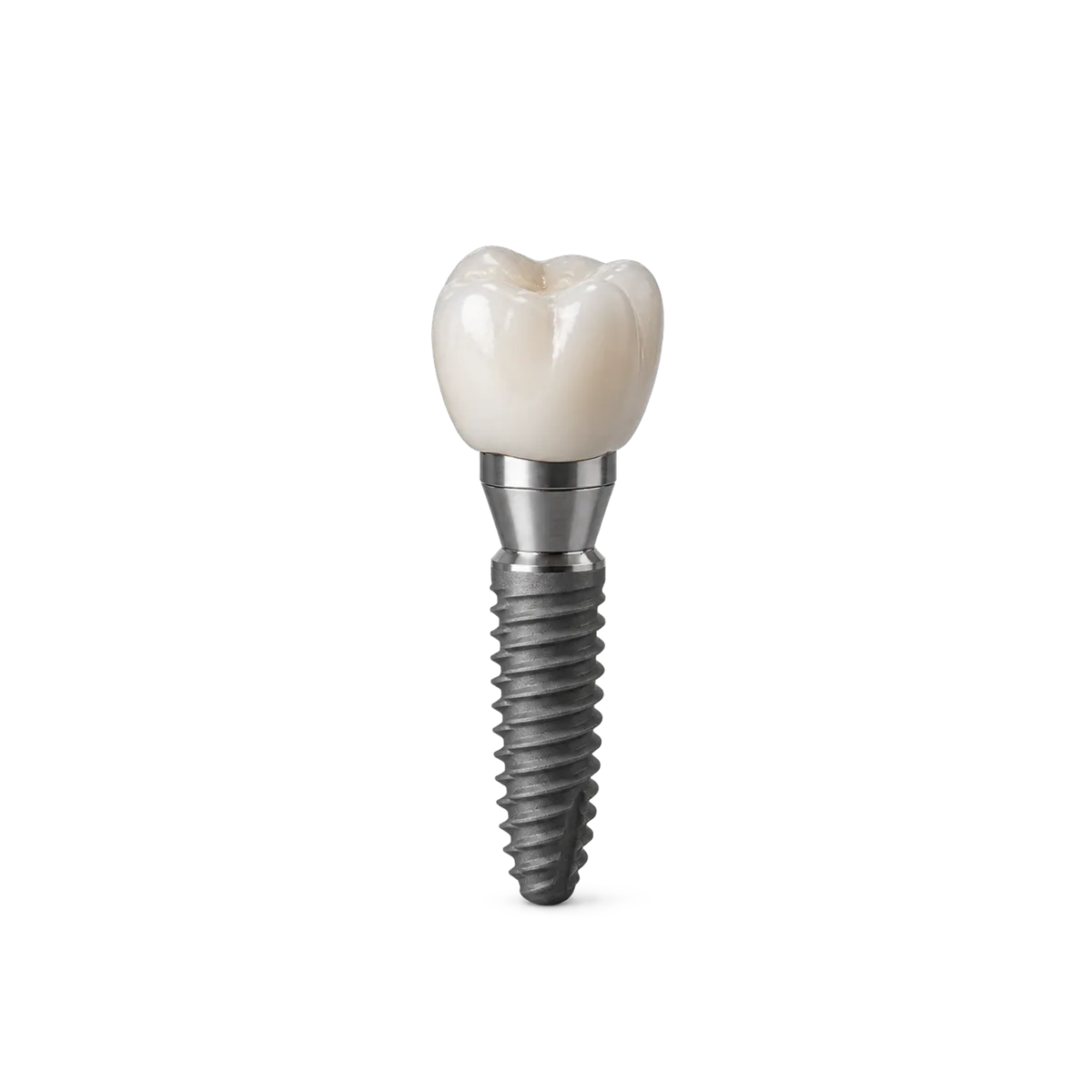
What is a mini implant?
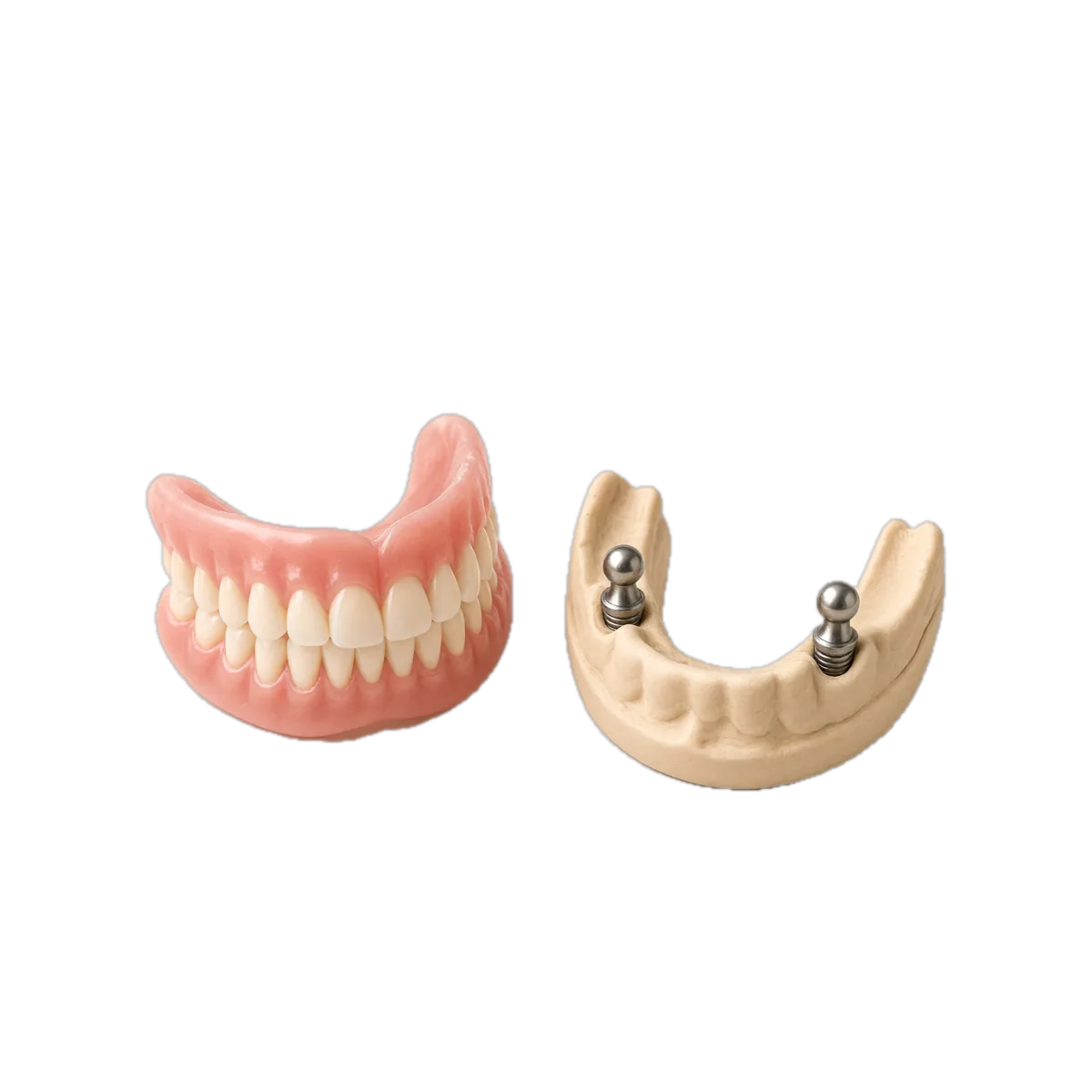
Implants come in set lengths and widths. Full-size implants are 2.8 mm or wider; smaller ones can fit narrow spaces, such as some front teeth.
Caring for your implants
Implants can't decay, but the gums around them need extra care. Cleanings every 3 to 4 months and good home care help them last.
The right size, the right care
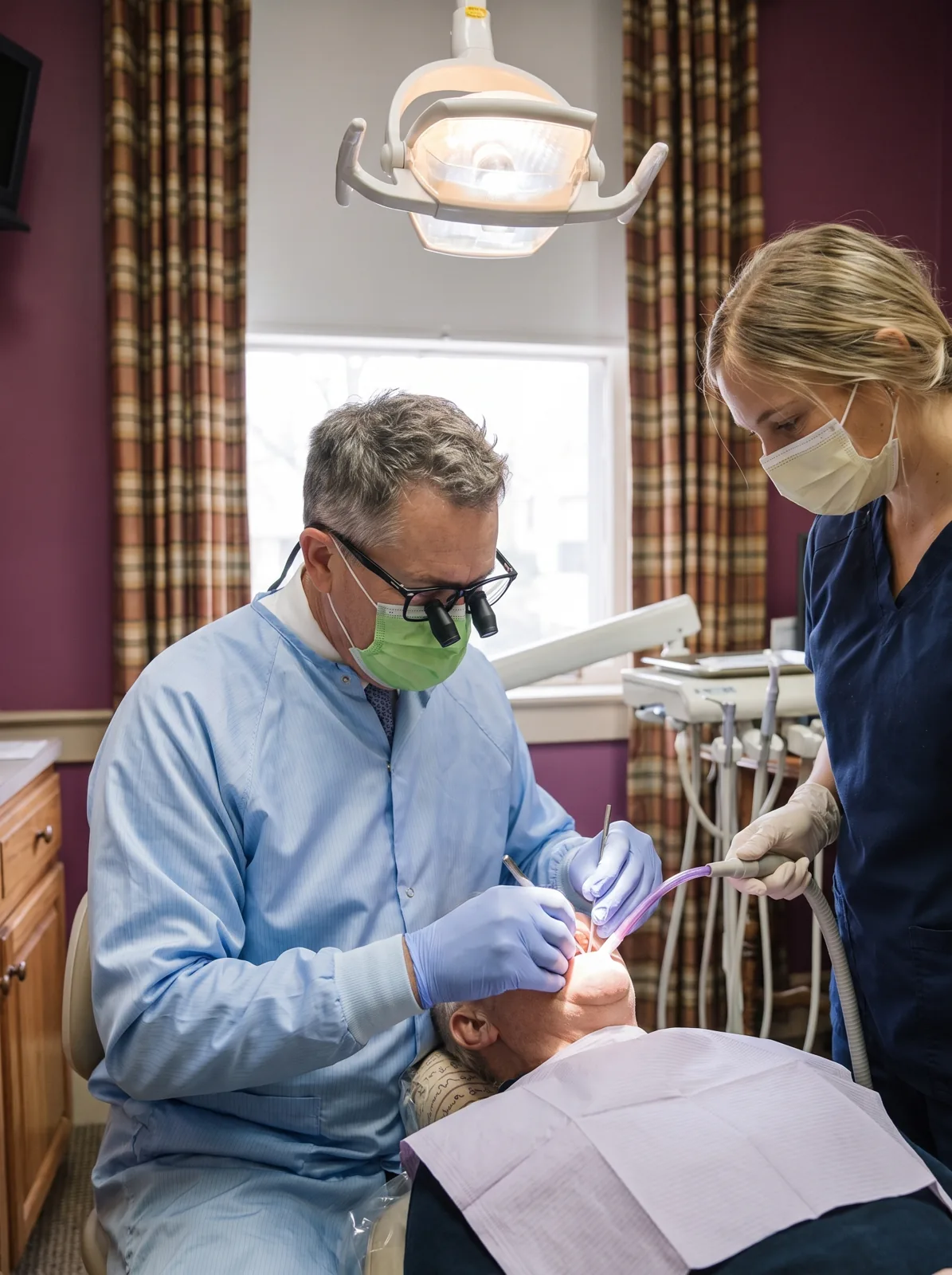
No two spaces in the mouth are the same. Dr. Haywood sizes each implant to the space and the bone available, then the team helps you keep it healthy for years.
Benefits
A smaller implant, planned with care.
Sized to fit
Implants are chosen in a length and width that suit your space.
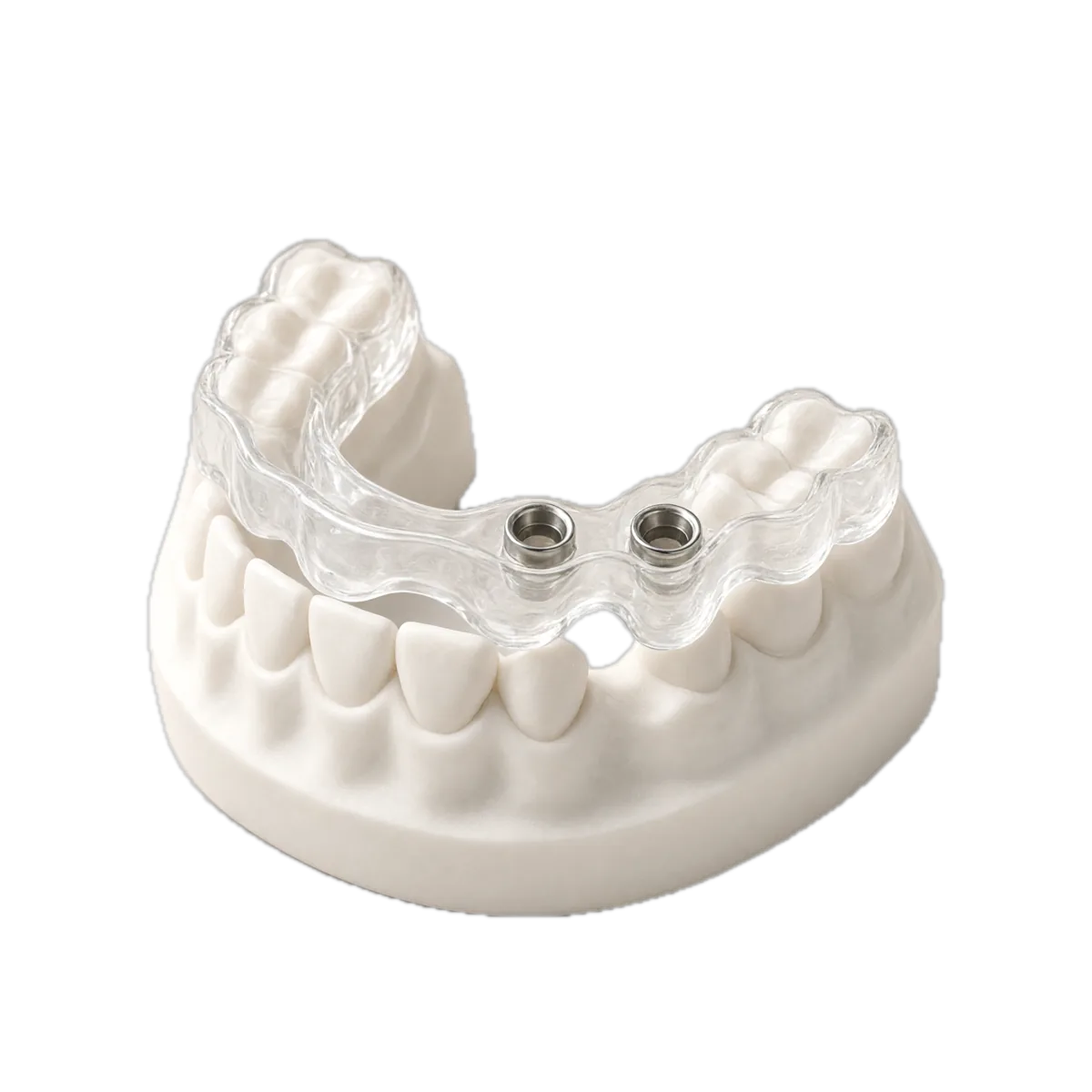
Planned in 3D
A CBCT scan shows how much bone there is to work with.
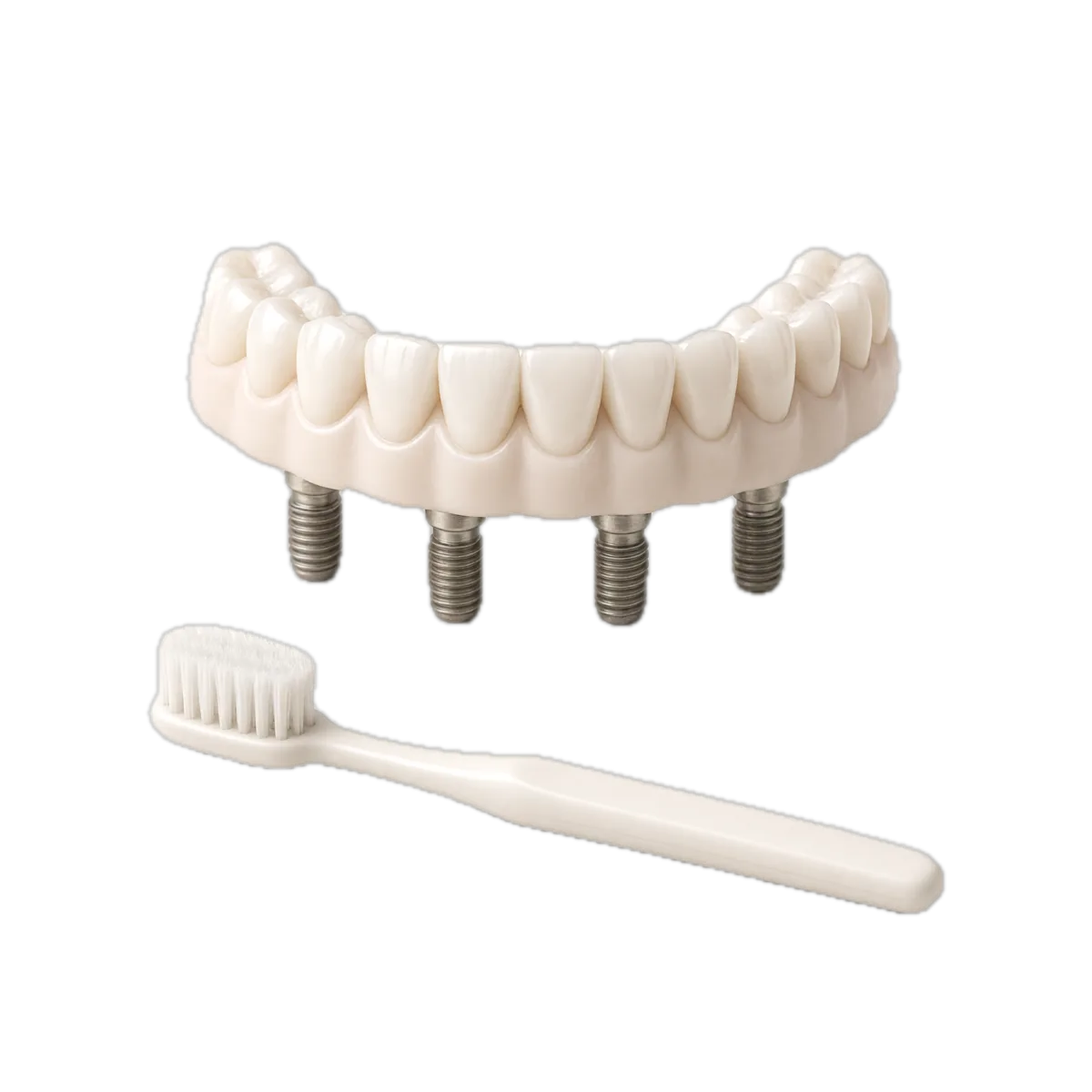
Can't decay
Implants don't get cavities and resist plaque better than teeth.
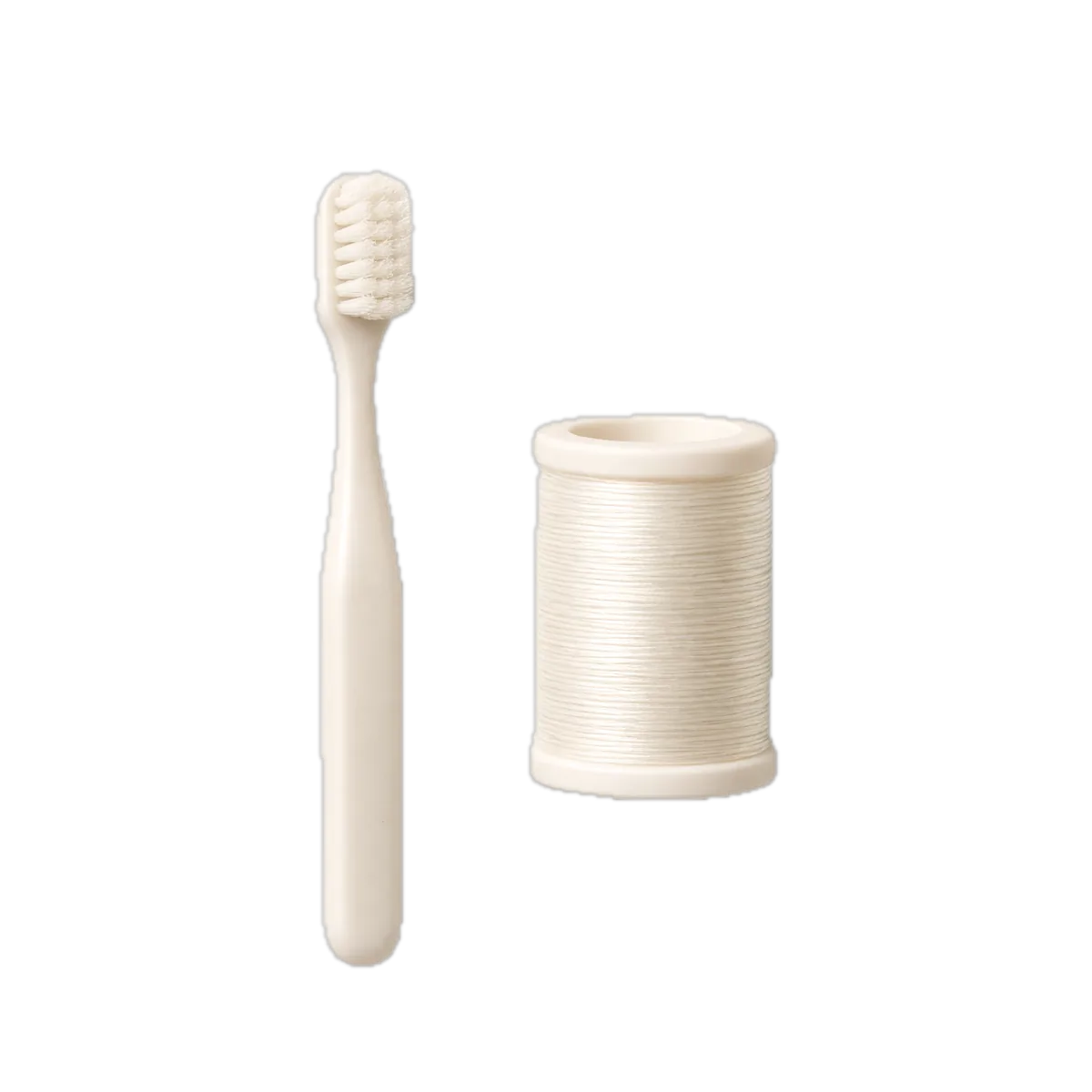
Cleaned the right way
Titanium or plastic tools protect the implant surface.
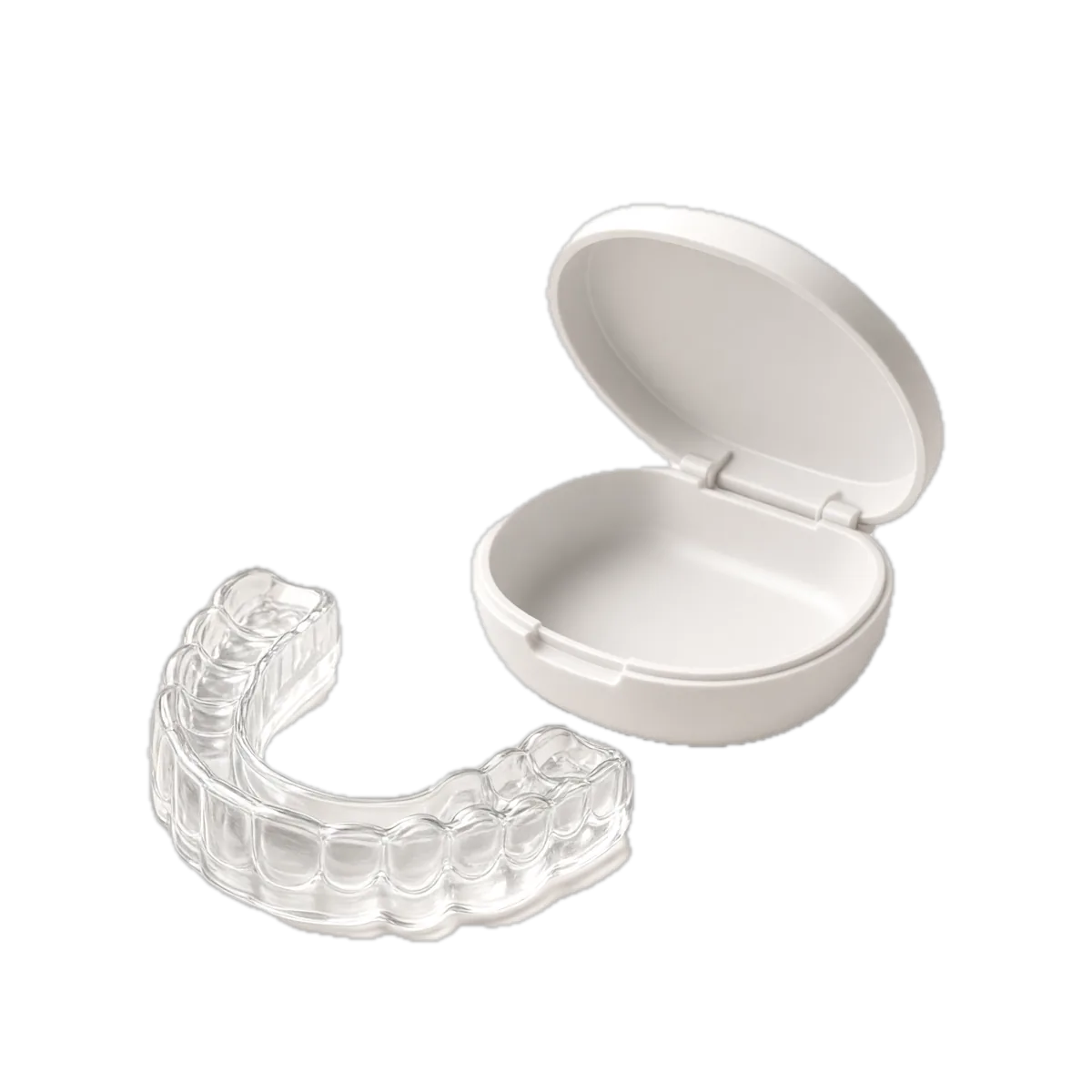
Protected at night
A custom night guard shields implants from grinding.
Real stories, real smiles
Spread the cost
Monthly plans through CareCredit and Cherry. Checking your options doesn't affect your credit score, and both give an instant decision.
*Subject to credit approval. Visit carecredit.com for details. For new CareCredit accounts as of 5/30/24: Purchase APR is 32.99%. Penalty APR is 39.99%. Minimum Interest Charge is $2. CareCredit is a Synchrony solution.

Planned on a 3D scan, cared for after
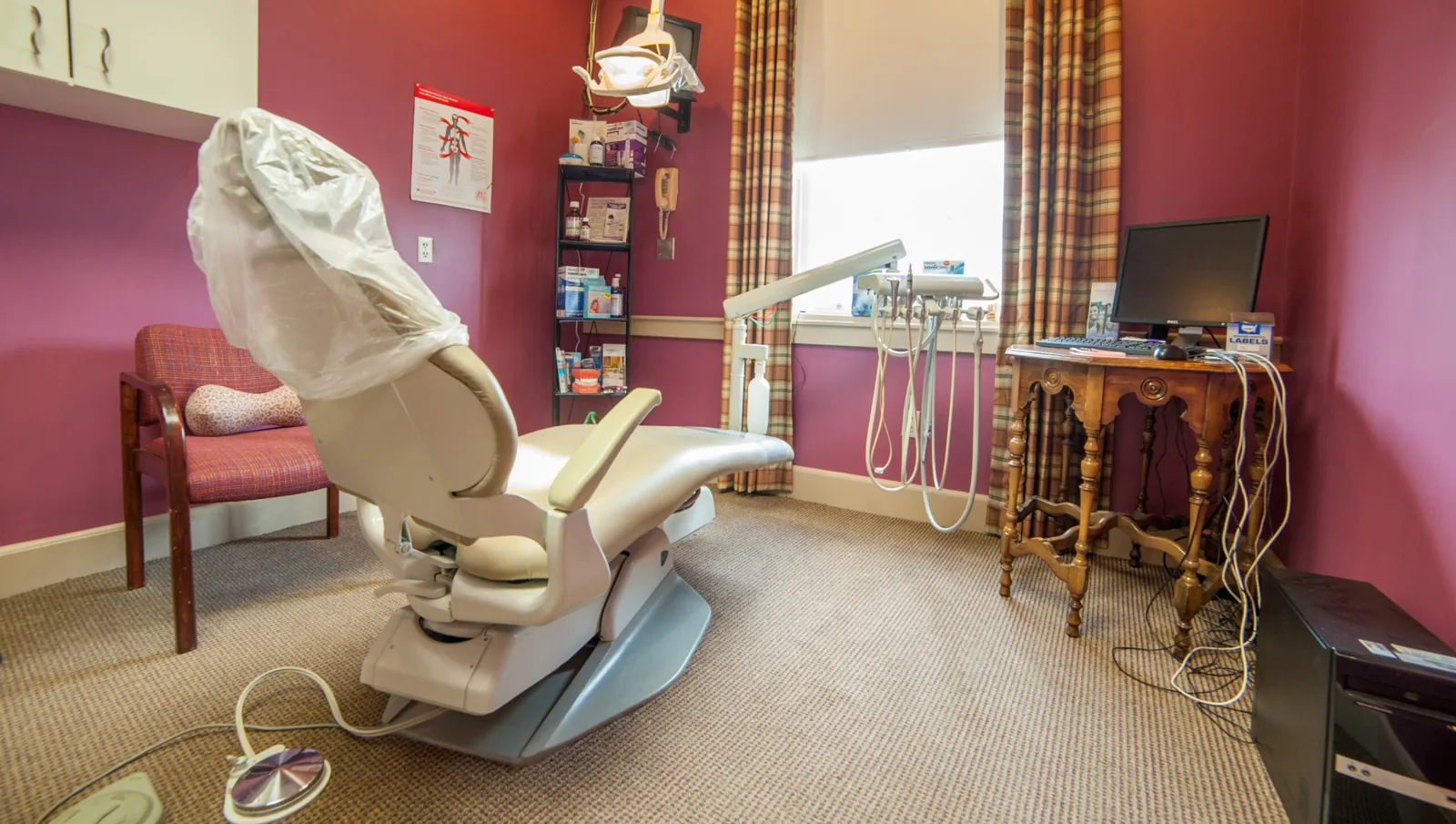


Every implant starts with a careful look at your bone.
Dr. Steven Haywood, DDS, a Fellow of the International Congress of Oral Implantologists, reviews your X-rays and a 3D CBCT scan before choosing an implant size.
3D CBCT scan
Shows the amount of bone and where the implant should go.
Sized for you
Length and width are chosen for your mouth and the tooth replaced.
Implant cleanings
Gums seal less firmly around implants, so they need cleanings more often.
Night guard
Grinding puts sideways force on implants; a custom guard helps protect them.

How it works
Size the implant to you
Dr. Haywood reviews your X-rays and a CBCT scan, then chooses an implant length and width for your space.
Clean more often
Cleanings every 3 to 4 months, with titanium or plastic tools, keep the gums around your implant healthy.
Protect it at home
Interdental brushes, a water irrigator and a night guard if you grind help your implant last.
Smile Guide
Plain answers about dental implants.
Frequently asked questions
How is the size of an implant chosen?
Implants come in set lengths and widths, and full-size implants are 2.8 mm or wider. Dr. Haywood checks your X-rays and CBCT scan to see whether a smaller implant suits your case. See how implants are planned in 3D.
Why do implants need more frequent cleanings?
Gums seal tightly around natural teeth. Around an implant the seal is weaker and more prone to inflammation, so cleanings every 3 to 4 months are recommended.
Can implants get cavities or gum disease?
Implants don't decay, and they resist plaque better than teeth. The pockets around them are deeper, though, so careful daily cleaning still matters.
How should I clean my implants at home?
Use interdental brushes, a water irrigator and an end-tuft or electric toothbrush. Rinsing with water or a chlorhexidine rinse is often recommended.
Why does grinding matter if I have implants?
Implants handle normal chewing well, but the sideways force of grinding can loosen them. A custom night guard helps. See night guards.
Answers to common questions about mini implants and implant care in Shrewsbury, PA.
Every mouth is different. Your treatment plan, timeline and cost are set at your consultation. Results vary from person to person.