
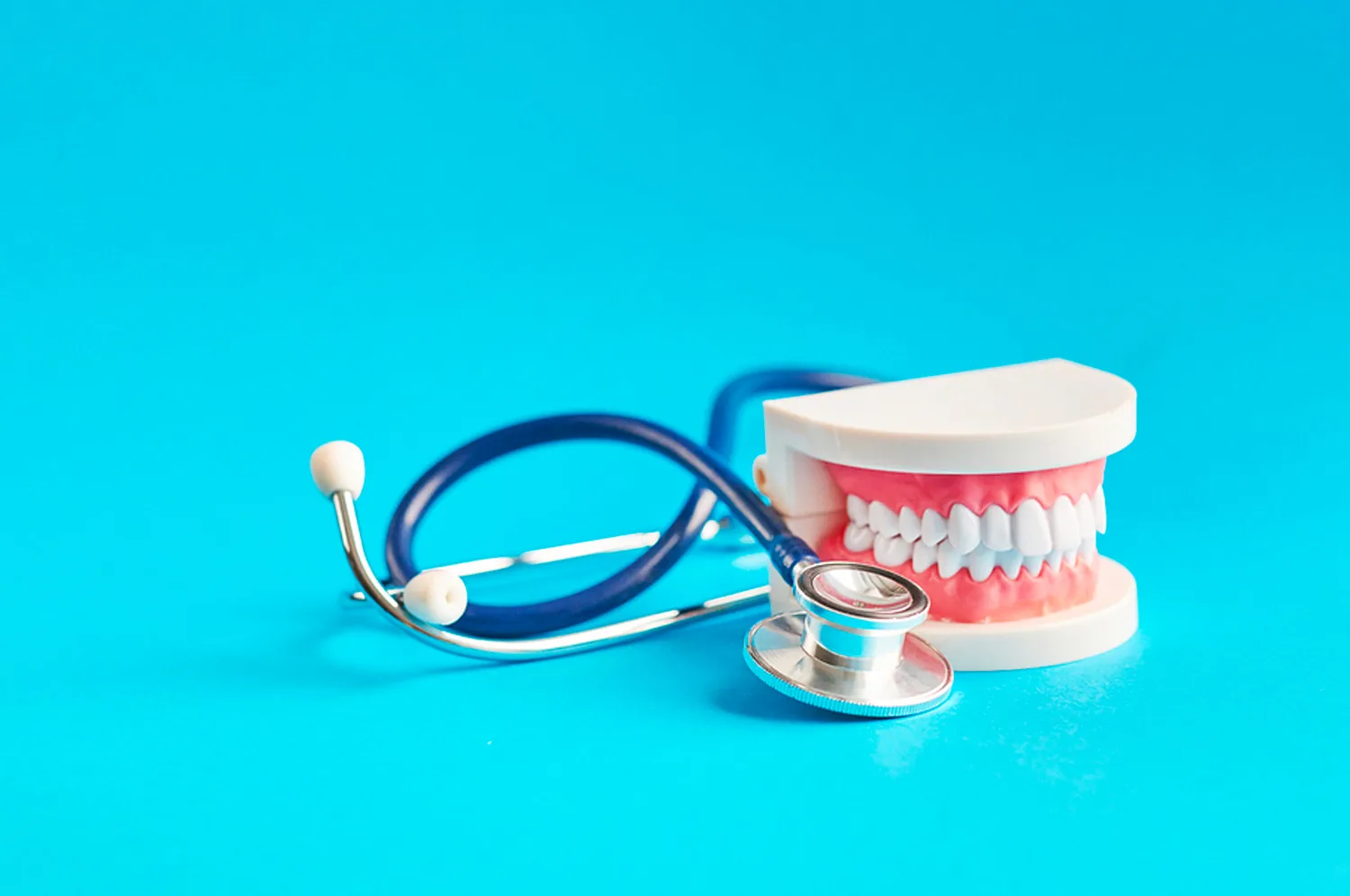
Dental implants prevent many denture-related health problems because they anchor new teeth in the jaw, the way roots hold natural teeth. Many older adults have lost some or all of their teeth, and dentures are often the first answer. At Southern York Smile Care in Shrewsbury, PA, we want you to know there is a sturdier option.
Why dentures cause problems
Your body is built to have teeth anchored in bone. A traditional denture sits on top of the gums instead. It is held in place by suction, a close fit and sometimes adhesive. That works, up to a point. But because a denture is not attached to anything, it can move when you chew, talk or laugh.
Dentures also change over time, and so does your mouth. A denture that fits well on day one may feel loose a few years later. That is not a flaw in the denture. It is what happens to the jaw when teeth are gone, which we explain below.
13 problems dentures can cause
Not every denture wearer has every problem on this list. But these are common, and they add up.
Physical problems
- The fit changes. Normal wear and a changing mouth mean dentures usually need to be relined or replaced over the years.
- They move. Natural teeth are fixed in the jaw. Dentures shift, which can make eating and speaking feel uncertain.
- Sore, irritated gums. A poor fit rubs the gums and can cause inflammation and sore spots.
- Jaw strain. Dentures can change your bite, which affects the jaw joint and can lead to pain in the face, neck and head.
- Trapped food. Food caught under a denture can irritate gums. Partial dentures can also raise the risk of decay and gum disease around the teeth that remain.
- Changed taste. An upper denture covers the roof of the mouth, which can dull the taste and feel of food.
- Bone loss. When tooth roots are gone, the jaw slowly shrinks. This is covered in more detail below.
Nutrition and digestion
- Smaller meals. Some denture wearers start eating less, which can lead to unwanted weight loss.
- Fewer healthy foods. Chewing power is reduced, so many people stop eating nuts, raw vegetables and high-fiber foods that are part of a healthy diet.
- Digestive trouble. Weaker chewing can mean swallowing bigger pieces of food, which is harder to digest and raises the risk of choking.
- Lower energy. Eating too little can leave you tired, which affects work, travel and the hobbies you enjoy.
Emotional and social effects
- Less pleasure at mealtime. A good meal is one of life's simple joys. Dentures can take some of that away.
- Speaking and confidence. Dentures can slip or click when you talk. Some people start avoiding social events, which can affect mood and well-being.
Bone loss: the hidden problem
Bone loss deserves its own section because it is easy to miss and it drives many of the other problems. Your jawbone stays strong because tooth roots stimulate it every time you bite. When a tooth is lost, that part of the jaw no longer gets the signal, and the bone slowly shrinks and recedes.
A denture rests on the gums, so it does not replace that stimulation. Over time the ridge under the denture gets smaller. The denture loosens, the face can start to look sunken around the mouth, and future treatment can become more complex. Our article on avoiding bone loss after an extraction explains this in more depth.
Why dental implants are better than dentures
A dental implant is a small titanium post placed in the jaw. Over the following months, it fuses with the bone and acts as a new tooth root. A crown, bridge or full set of teeth is then attached on top.
They stay put
Because implants are anchored in bone, the teeth they hold do not slip. You can bite into an apple, laugh and speak without thinking about it.
They help protect the jaw
Implants pass chewing forces into the bone, much like natural roots. That helps the jaw keep its shape and supports your face.
They make healthy eating easier
With stronger chewing, many people return to the foods they had given up. That supports better nutrition and more enjoyable meals.
They protect the teeth you still have
A single implant replaces one tooth without grinding down the teeth beside it, which a traditional bridge requires. Read more in dental bridge vs. dental implant.
Implant options for one tooth or a full arch
There are several ways to use implants, depending on how many teeth you are missing and the health of your jaw:
- One tooth: a single tooth implant with a natural-looking crown.
- Several teeth in a row: an implant bridge held by two or more implants.
- A loose denture: snap-on implant teeth that click onto a few implants for a firm hold.
- A full arch: All-on-4 dental implants, a fixed set of teeth on four implants.
If bone has already been lost, dental bone grafting can often rebuild the area first. Planning starts with a Green CT 3D cone beam scan, which shows the bone in detail, and guided implant surgery helps place each implant where it was planned.
Dr. Steven Haywood is a Fellow of the International Congress of Oral Implantologists, with 35+ years in practice. You can learn more on our dental implants page.
Is it worth it?
Implants take more time than dentures and are a bigger investment up front. But it helps to think about what you are buying: the ability to eat well, speak with ease and keep your jawbone healthy. For many people, that makes implants one of the best choices they make for their health and happiness.
Implants also ask little of you once they are in place. You brush and floss them like natural teeth and keep up with your cleanings and checkups. There is no adhesive to buy, no soaking overnight and no worry about a denture slipping at dinner. Healthy gums around each implant are the key to making them last, which is why regular visits matter just as much after treatment as before.
If you are not ready for implants yet, that is fine. Well-made dentures are still a good option for many people, and a denture can often be converted to an implant-held one later.
Southern York Smile Care is out of network with every insurer. You pay at the visit and the office files your claim for reimbursement. Kelley Fisher, our Patient Care and Treatment Coordinator, can walk you through payment plans with CareCredit and Cherry. See our financing page.
Talk to us about implants in Shrewsbury
If dentures are slipping, sore or keeping you from the foods you love, it is worth finding out whether implants are right for you. Call Southern York Smile Care at (717) 235-3871 or request an appointment. We are at 4 S. Main St in Shrewsbury, serving York, southern York County and northern Baltimore County, MD.

DDS cum laude 1987, US Air Force residency, NYU cosmetic training and Fellow of the International Congress of Oral Implantologists, with 35+ years in practice.
Meet Dr. Haywood → Missing Teeth? 5 Things You Need to Know About Dentures
 Are Dental Implants an Option If I Have Receding Gums?
 Don’t Bite the Dentist!