
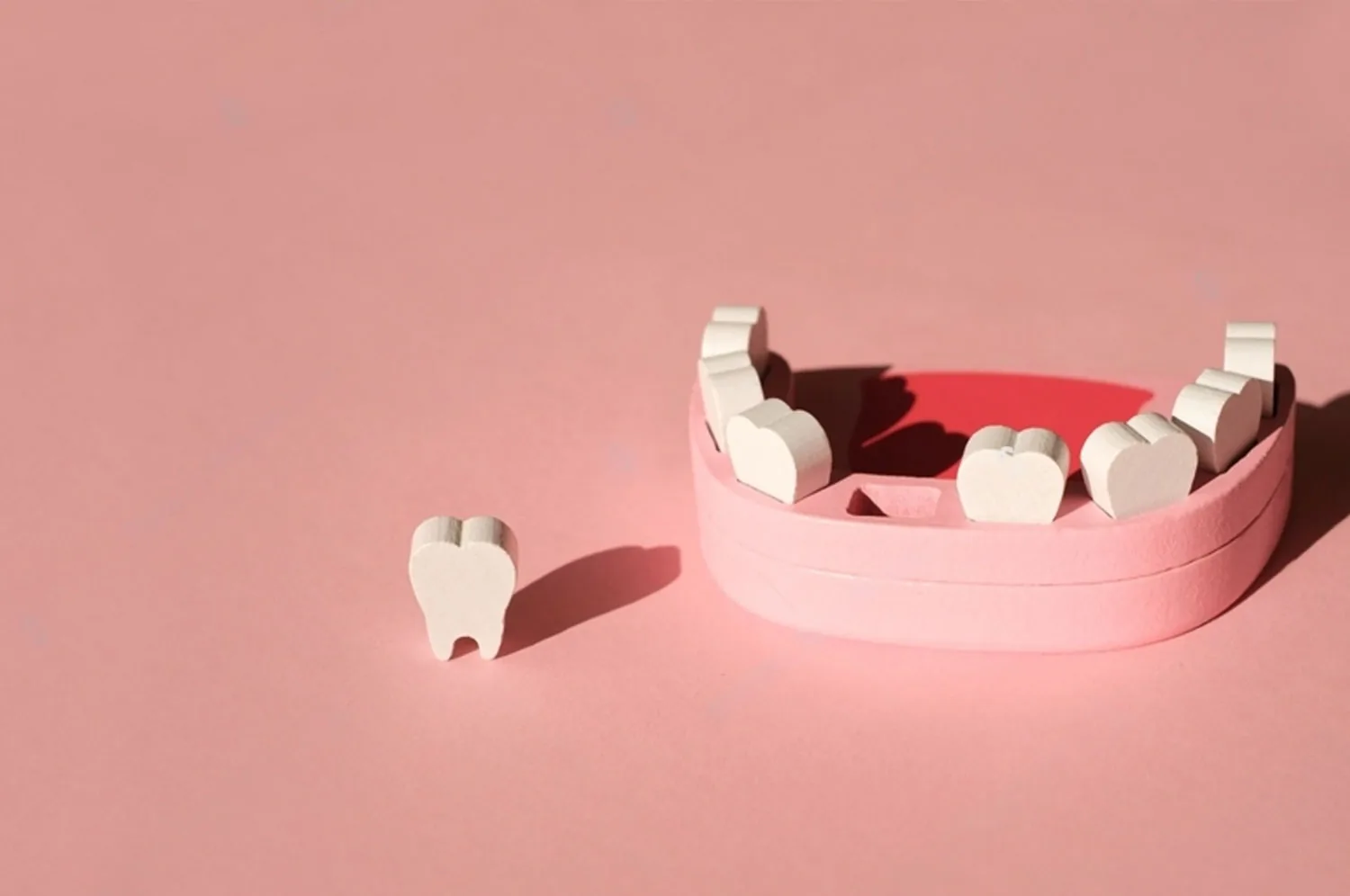
Missing teeth? Here are five things you need to know about dentures, from the types available to implant options and daily care. Millions of Americans wear dentures. At Southern York Smile Care in Shrewsbury, PA, Dr. Steven Haywood helps you choose the tooth replacement that fits your mouth and your life.
Losing teeth affects much more than your smile. It changes how you chew, how you speak and even the shape of your face over time. Dentures have helped people for generations, and today's options are more comfortable and natural-looking than ever. But they are not the only choice. Here is what to know before you decide.
1. Dentures are not your only choice
A traditional denture replaces the visible part of your teeth. It rests on your gums and is held in place by suction, a close fit or adhesive. A dental implant is different. It replaces the root as well as the tooth, with a small post placed in the jawbone.
That difference matters for three reasons:
- Bone. After a tooth is lost, the jawbone that held it slowly shrinks because it is no longer being used. A denture sitting on the gums does not stop that. An implant stimulates the bone and helps preserve it.
- Chewing. Implants are anchored, so they let you bite and chew with much more force and confidence than a denture that rests on the gums.
- Speech. Teeth that do not move let you speak clearly without worrying about slipping or clicking.
Implants can replace a single tooth, support a bridge or hold a full set of teeth. They can also be combined with a partial denture. Our article on how implants prevent denture-related problems goes deeper, and our dental implants page explains the process.
2. There is more than one kind of denture
Most people picture a full set of upper or lower teeth that comes out at night. That is one type, but there are several:
Complete dentures
A complete denture replaces all the teeth in an upper or lower arch. The upper denture covers the roof of the mouth, which helps it hold by suction. Lower dentures have less to grip, which is why many people find them looser.
Partial dentures
A partial denture fills gaps when you still have some natural teeth. It clips onto the remaining teeth and keeps them from drifting into the spaces. Partials can be removable, or a fixed bridge can replace one or a few teeth in a row. See our dental bridges page.
Immediate dentures
An immediate denture is placed the same day teeth are removed, so you are never without teeth. Because the gums and bone change shape as they heal, an immediate denture usually needs adjustments or a reline later.
Implant-supported dentures
An implant-supported denture snaps onto two or more implants, or is fixed to four or more. It stays firmly in place and does not need adhesive. Learn more on our snap-on implant teeth and All-on-4 dental implants pages.
3. Long-time denture wearers can often switch to implants
Even if you have worn dentures for years, you may still be a good candidate for implant-anchored teeth. The key question is whether you have enough bone to support an implant. Long-term denture wear often leads to bone loss, but that does not always rule you out.
At Southern York Smile Care, Dr. Haywood uses Green CT, a 3D cone beam scan, to measure your bone precisely. If bone is thin, bone grafting can rebuild it in some cases. All-on-4 style treatment places implants at angles that make the most of the bone you have, which can sometimes avoid grafting. Dr. Haywood is a Fellow of the International Congress of Oral Implantologists, and guided implant surgery helps place each implant precisely. For patients who feel nervous, oral sedation is available.
A consultation is the best way to find out if you are a candidate. Our article on implants with bone loss explains more.
4. Dentures still need daily care
Whether you have full dentures, a partial or implant-supported teeth, you still need a daily oral hygiene routine. Plaque and bacteria build up on dentures just as they do on teeth, and they can irritate your gums and cause bad breath or fungal infections.
- Clean removable dentures every day with a soft brush and a denture cleaner. Regular toothpaste can scratch them.
- Take them out at night unless told otherwise, so your gums can rest. Keep them moist in water or a soaking solution so they do not warp.
- Brush your gums, tongue and the roof of your mouth with a soft brush to remove plaque and improve circulation.
- Clean around implants and natural teeth carefully, using floss, small brushes or a water flosser.
- Handle dentures over a folded towel or a sink of water, so they do not break if dropped.
- Never use hot water, which can warp them, and never try to adjust them yourself.
5. You still need regular dental visits
Even with no natural teeth, regular check-ups are important. Your mouth keeps changing. Gums and bone shrink over time, so a denture that fit well a few years ago may become loose and start rubbing. Sore spots, cracks and worn teeth on the denture can all be fixed when found early.
Check-ups also protect your overall health. At each visit, Dr. Haywood checks your gums and soft tissues for sores, infections and signs of oral cancer. When a spot needs a closer look, the office uses ViziLite, a blue dye rinse and OralCDX. The mouth can also show early signs of other health conditions, such as diabetes. Learn more on our oral cancer screening page.
Signs your dentures need attention
- They feel loose, slip when you talk or need more adhesive than before
- You have sore spots or red, irritated gums
- Food tastes different or chewing is harder
- The denture is chipped, cracked or the teeth look worn
- Your face looks more sunken around the mouth
Any of these is a good reason to schedule a visit. Dentures can often be adjusted or relined, and sometimes it is time for a new set or an upgrade to implants. See our dentures page for options.
Find the right tooth replacement for you
Southern York Smile Care is out of network with every insurer. You pay at the visit and the team files the claim so your insurance can reimburse you. Kelley Fisher, the Patient Care and Treatment Coordinator, can explain your plan and payment options, including CareCredit and Cherry. Call (717) 235-3871 or request an appointment. The office is at 4 S. Main St in Shrewsbury, PA, and serves patients from Shrewsbury, York, southern York County and northern Baltimore County, MD.

DDS cum laude 1987, US Air Force residency, NYU cosmetic training and Fellow of the International Congress of Oral Implantologists, with 35+ years in practice.
Meet Dr. Haywood → Implants Prevent Denture-related Health Problems
 Don’t Bite the Dentist!
 Coronation: Dental Crowns in Shrewsbury PA