
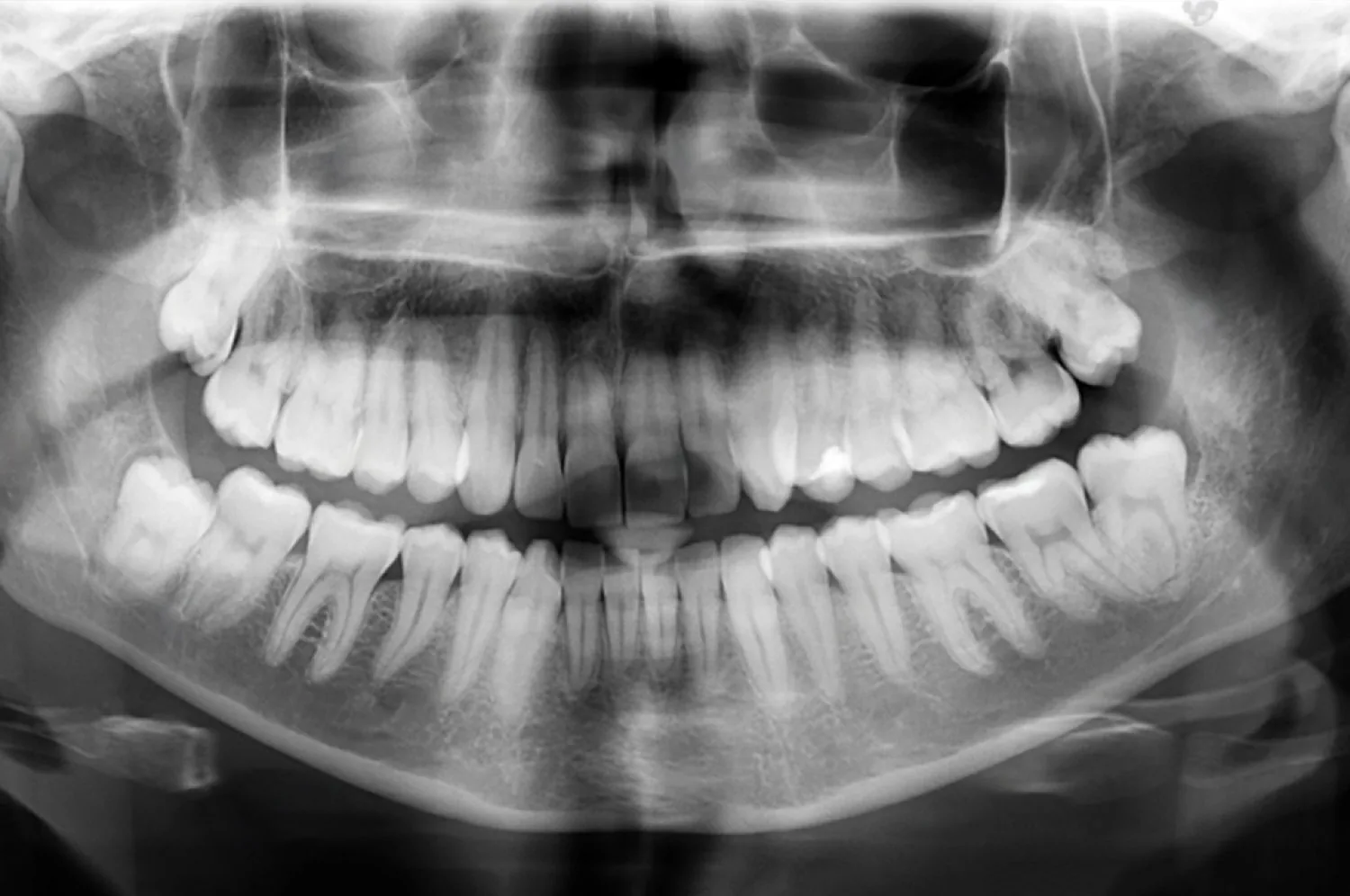
To avoid bone deterioration following an extraction, your jaw needs something to take the place of the root that was lost. Here is why the bone shrinks, and how options like bone grafts and dental implants help protect it. This guide comes from Southern York Smile Care in Shrewsbury, PA.
Most people think of a tooth as the part they can see. But below the gumline, each tooth has a root that reaches into the jawbone, and that root does an important job. When a tooth is removed, the root goes with it, and the bone around it begins to change. Knowing what happens, and when to act, can save you from bigger problems later.
Why your jawbone needs your teeth
Bone is living tissue. It stays strong when it is used. Every time you chew, bite or talk, your teeth pass small forces through their roots into the surrounding bone. That pressure stimulates the bone and keeps blood flowing to it, which tells your body the bone is needed.
When a tooth is extracted, that stimulation stops in that spot. Without it, the body slowly reabsorbs the bone that once held the root. This process is called resorption. Research shows that the ridge of bone where a tooth was removed loses width and height over time, with much of the change happening in the months right after the extraction.
What bone loss can mean for you
A little bone loss may not seem like a big deal. Over time, though, it can affect your mouth and even your face:
- Shifting teeth. Neighboring teeth can drift or tip into the gap, and the tooth above or below may grow longer into the space. This can change your bite.
- Fewer replacement options. An implant needs enough bone to anchor in. The longer a gap is left empty, the more likely you are to need a bone graft first.
- Loose dentures. As the ridge of bone shrinks, dentures have less to rest on. Many denture wearers find their dentures fit worse with each passing year.
- Changes to your face. When several teeth are missing, bone loss can let the lips and cheeks sink in, which can make a person look older than they are.
Our article Implants Prevent Denture-Related Health Problems explains more about how missing teeth affect the rest of your health.
Saving the tooth comes first
The best way to protect your jawbone is to keep your natural teeth. Sometimes an extraction is the only option, such as when a tooth is cracked below the gumline, badly decayed or loose from advanced gum disease. But many damaged teeth can be saved with a filling, a crown or a root canal. Southern York Smile Care makes every effort to save the root structure when it can be done.
Prevention matters too. Regular cleanings, early treatment of decay and care for your gums all lower the chance that a tooth will ever need to come out. If your gums bleed or feel tender, see our gum disease treatments.
Protecting the bone at the time of extraction
If a tooth must come out, planning ahead helps. When you know you will want an implant later, Dr. Haywood may suggest placing a bone graft in the socket right after the extraction. This is sometimes called socket preservation. The graft material acts as a scaffold that your body gradually replaces with your own bone, which helps hold the shape of the ridge while you heal.
In some cases, an implant can go in on the same day a tooth is removed. Whether that is an option for you depends on the health of the bone, the presence of any infection and where the tooth is in your mouth. A 3D scan helps answer those questions.
How long can you wait?
There is no single deadline, and every mouth heals differently. In general, the sooner a missing root is replaced, the more natural bone you keep and the simpler treatment tends to be. If you are not ready for an implant right away, ask whether a graft at the time of extraction makes sense, so the option stays open. A temporary tooth can fill the gap while you heal, so you are never left without a smile.
Caring for the socket after an extraction
Good healing protects the bone too. For the first few days, avoid drinking through a straw, smoking and spitting hard, since these can dislodge the blood clot that protects the socket. Eat soft foods, keep the area clean as directed, and call the office if pain gets worse after the first few days instead of better. You can find detailed instructions on our post-op instructions page or ask the team at your visit.
How dental implants keep bone healthy
A dental implant is a durable titanium post that replaces the root of a missing tooth. Over the healing months, bone grows snugly around the implant and bonds to its surface. This process is called osseointegration.
Once the implant has healed, a small connector called an abutment is attached, and a custom crown is fixed on top. Because the implant sits in the bone just like a root, it passes chewing forces into the jaw. That ongoing stimulation helps keep the surrounding bone strong, which bridges and removable dentures cannot do.
Implants can replace one tooth, several teeth or a full arch:
- Single tooth implants replace one missing tooth without touching the teeth beside it.
- Implant bridges use two or more implants to support several teeth in a row.
- All-on-4 dental implants and snap-on implant teeth support a full set of teeth on a few implants.
Implant restoration is a safe and well-studied treatment for tooth loss. Dr. Haywood is a Fellow of the International Congress of Oral Implantologists and plans implants using Green CT 3D cone beam imaging, which shows the bone in detail before surgery.
What if bone has already been lost?
Many people do not learn about bone loss until years after an extraction. That does not always rule out an implant. Dental bone grafting can rebuild bone where it is needed, and some patients are candidates for mini implants or full-arch options designed to work with the bone they have. Read Can You Get Dental Implants If You Have Bone Loss? for more.
Your next step
If you have had a tooth removed, or one may need to come out, the sooner you plan, the more options you keep. Call Southern York Smile Care at (717) 235-3871 or request an appointment at 4 S. Main St in Shrewsbury. Dr. Steven Haywood provides restorative and cosmetic dentistry for patients from Shrewsbury, York, southern York County and northern Baltimore County, MD.

DDS cum laude 1987, US Air Force residency, NYU cosmetic training and Fellow of the International Congress of Oral Implantologists, with 35+ years in practice.
Meet Dr. Haywood → You, Only Better
 Looking for a Great Dentist?
 Coronation: Dental Crowns in Shrewsbury PA