Full arch dental implants in Shrewsbury can end the daily cycle of loose dentures, sore gums and messy denture adhesive for good. At Southern York Smile Care, Dr. Steven Haywood, DDS, replaces a full arch of missing teeth with fixed teeth anchored to implants. Here is how full-arch implants work, why they help stop denture pain, and what treatment involves.
Life with dentures that do not fit
If you wear dentures, some of this may sound familiar. Sore spots on your gums when you chew crusty bread. Adhesive that never quite holds. A quiet worry, every time you laugh, that your teeth might slip. Maybe you order the softest thing on the menu, or cover your mouth in photos.
Many denture wearers adapt their whole lives around their teeth. You do not have to. Dentures have helped millions of people, and for some patients they remain a good choice. But they rest on the gums rather than being anchored in the jaw, and that is the root of many of their problems.
Why dentures get looser over time
Your natural tooth roots do more than hold your teeth. When you chew, they pass pressure into the jawbone, and that stimulation helps keep the bone healthy. When teeth are lost, the bone in those areas is no longer stimulated, and it slowly shrinks. This is called bone resorption.
Changes in your face
Over years, bone loss can change the shape of your lower face. The lips may lose support and the distance between nose and chin can shorten, which can make a person look older than they are.
The denture cycle
As the bone shrinks, your gums change shape too. A denture that fit well a few years ago may start to slip, rub and cause sore spots. Many people end up in a cycle of adhesives, relines and new dentures, all to keep up with a changing jaw. You can read more in our article on how implants prevent denture-related health problems.
How full arch dental implants work
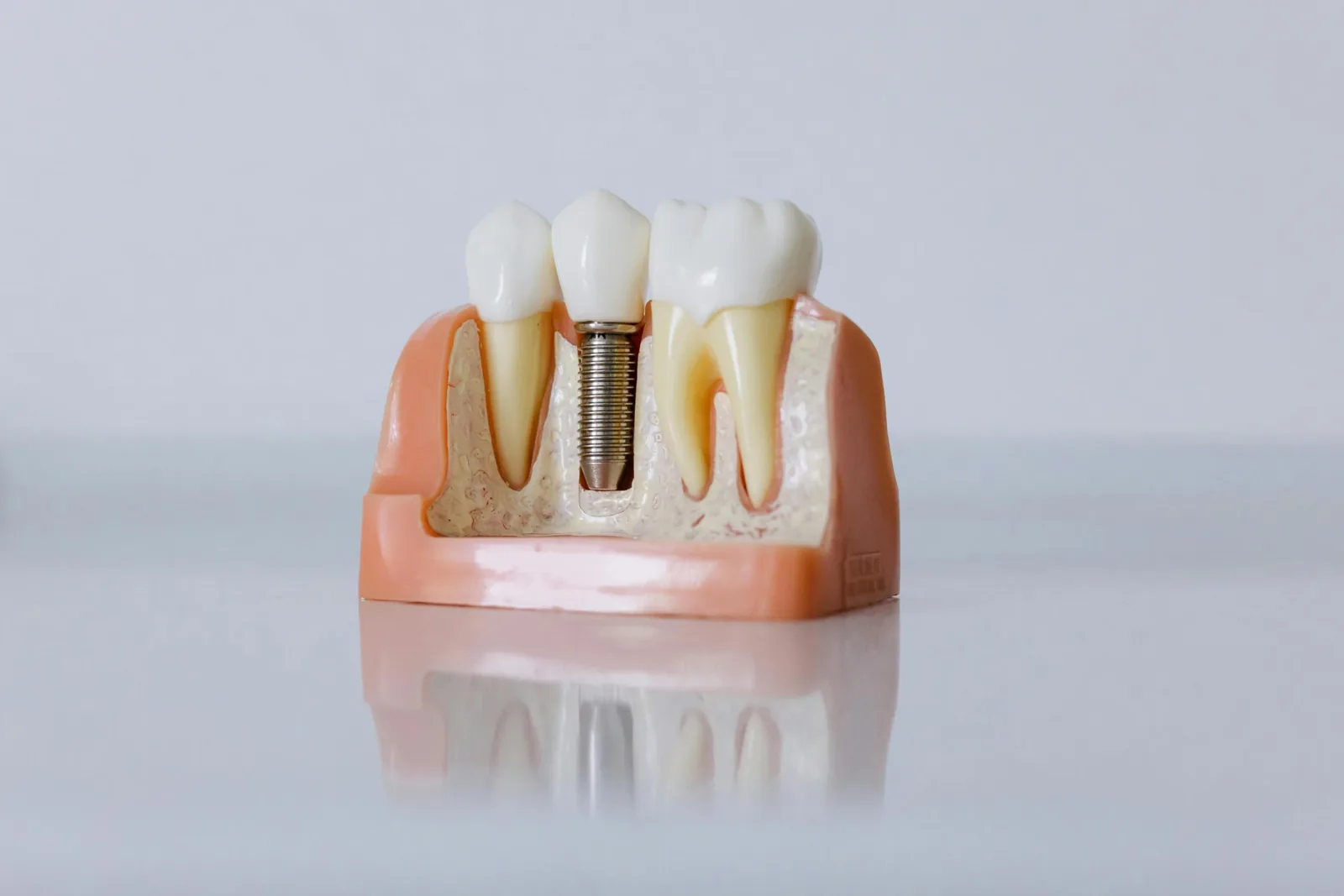
With full-arch implants, your new teeth no longer rest on your gums. Instead, several implant posts are placed in the jawbone, where they act like artificial tooth roots. After planning and placement, a custom bridge of new teeth is attached securely to the implants. You may hear this called All-on-4 or implant-supported teeth. Learn more on our All-on-4 dental implants page.
Fixed teeth that stay put
Fixed full-arch teeth are attached to the implants and are not taken out at night. You brush and clean them every day, and we check them at your regular visits. There is no denture adhesive and no soaking them in a glass.
Stronger chewing
Because the teeth are anchored in bone, implant-supported teeth are much more stable than a conventional denture. Most patients can chew a much wider range of foods with confidence.
Taste and comfort
A traditional upper denture covers the roof of your mouth. Full-arch implant teeth usually leave the palate uncovered, which many patients find more comfortable and natural for tasting food and feeling its temperature and texture.
Protecting the bone
Implants pass chewing forces into the jaw, much like natural roots do. That helps preserve the bone around them, which supports your facial structure over time.
Other implant options
Full-arch fixed teeth are not the only implant choice. Depending on your bone, health and budget, Dr. Haywood may also discuss:
- Snap-on implant teeth, a removable denture that clips onto implants for much better hold
- Mini implants, which can help stabilize a denture in some cases
- Bone grafting, when extra bone is needed before implants can be placed
Not everyone needs or wants the same solution. We will explain the pros and cons of each so you can choose with confidence.
Planning and comfort: what treatment is like
We understand that the idea of implant surgery can feel intimidating. Fear keeps many people in dentures that no longer work for them. Careful planning and good comfort care make a big difference.
3D planning before treatment
We use Green CT 3D cone beam imaging to map your jawbone, including its height, width and density, and the location of nerves and sinuses. The iTero Element 3D scanner captures a digital model of your mouth. With guided implant surgery, the plan can be transferred to a surgical guide that helps place each implant where it was designed to go.
Staying comfortable
The treatment area is fully numbed. If you feel anxious, oral sedation can help you relax through the procedure. See our sedation dentistry page for details.
Healing and your final teeth
Implants need time to bond with the bone. We will explain the timeline for your case, including when you will have temporary teeth and when your final bridge is placed. Follow-up visits make sure everything heals well and your bite feels right.
Caring for your new teeth
Full-arch implant teeth need daily care, just like natural teeth. Brush them twice a day and clean around and under the bridge, where food can collect. A water flosser or special brushes make this easier, and we will show you exactly how to use them. Regular professional cleanings and checkups let us look after the implants and the gums around them. Avoid chewing ice or very hard objects, and if you grind your teeth at night, ask about a night guard to protect your new smile.
Experience you can trust
Dr. Haywood is a Fellow of the International Congress of Oral Implantologists and has more than 35 years in practice. Dr. Haywood's training includes a DDS cum laude from the University of Detroit, a US Air Force advanced residency and cosmetic training through the NYU Aesthetic Continuum. That combination matters for full-arch work, where the new teeth need to function well and look natural. Learn more on our Meet the Doctor page.
Questions about cost
Full-arch implants are a significant investment in your health and quality of life. Kelley Fisher, our Patient Care and Treatment Coordinator, will go over your treatment plan, insurance questions and financing with you. We are out of network with every insurer: you pay at the visit and our office files the claim for reimbursement. CareCredit and Cherry payment plans are available. See our financing page.
Take the first step
You do not have to figure this out alone. When you call, you will not be rushed off the phone. We will listen to what you are dealing with, answer your questions and find a time for a relaxed, no-pressure consultation with Dr. Haywood. Call Southern York Smile Care at (717) 235-3871 or request an appointment at 4 S. Main St, Shrewsbury, PA. We serve Shrewsbury, York, southern York County and northern Baltimore County, MD.
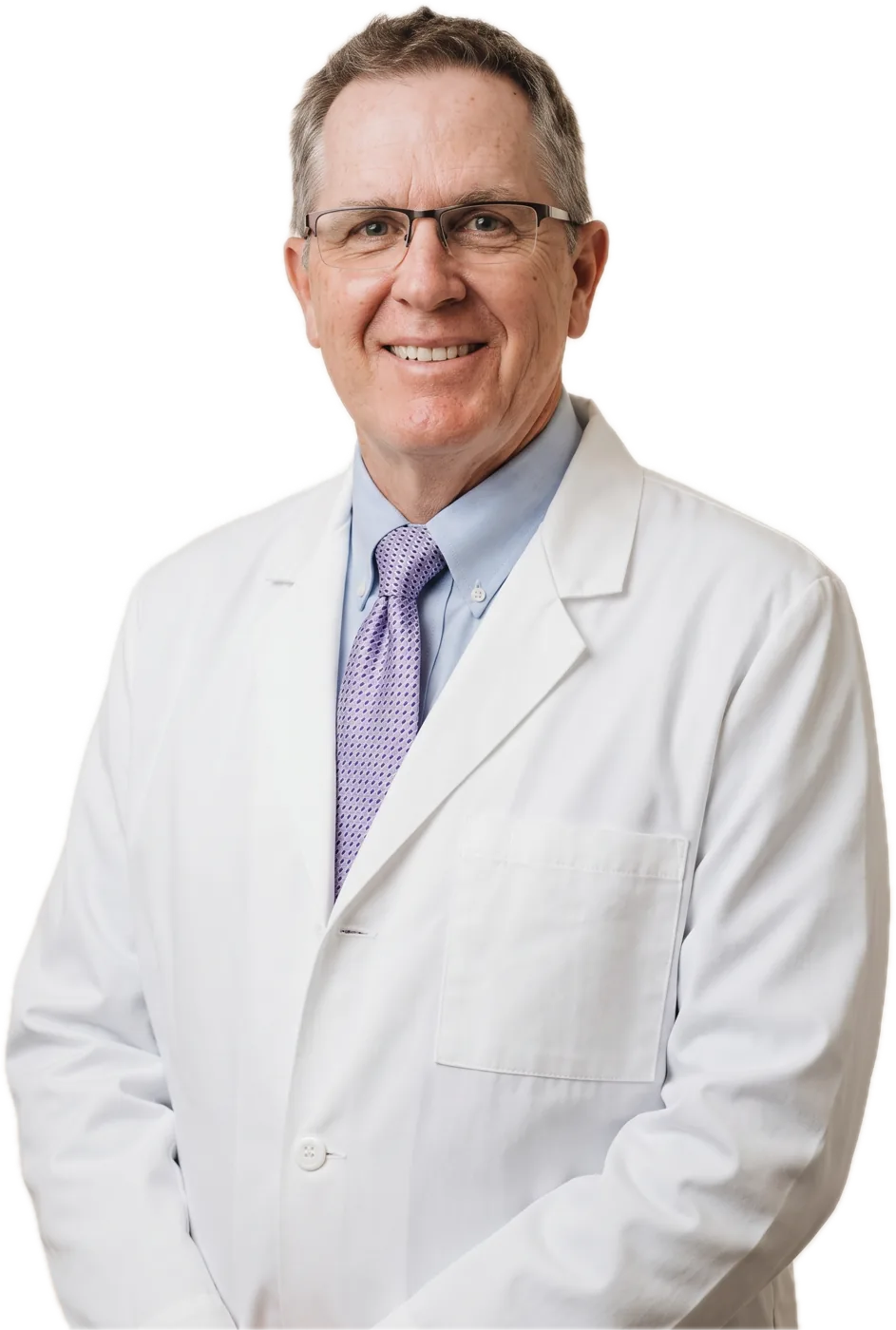
DDS cum laude 1987, US Air Force residency, NYU cosmetic training and Fellow of the International Congress of Oral Implantologists, with 35+ years in practice.
Meet Dr. Haywood → Porcelain Veneers and Instant Orthodontics for Shrewsbury
 4 Reasons to Look for the ADA Seal
 Don’t Use your Teeth as Tools!