

Dental implants in York can replace missing back teeth before the gap leads to shifting teeth, bone loss and wear on other teeth. Many people who lose a molar wonder whether it's worth replacing. It doesn't show when you smile, and the other teeth seem to handle the chewing. Here's why a missing back tooth matters more than it looks.
Why Back Teeth Matter So Much
Your back teeth, the premolars and molars, do most of the heavy work of chewing. They have broad, flat surfaces built to grind food, and they take far more force than your front teeth. They also act like pillars that hold your bite at the right height and keep your jaw in a comfortable position.
When one of those pillars is missing, the rest of your mouth starts to adjust. These changes are usually slow and painless, which is why they're easy to ignore. But over months and years, they can affect your bite, your other teeth and even the shape of your face.
Three Problems a Missing Back Tooth Causes
Reason 1: Neighboring Teeth Start to Shift
Teeth are held in place partly by the teeth beside them. When one is lost, the teeth on either side can tip, drift or rotate into the empty space. The tooth directly above or below the gap has nothing to bite against, so it can slowly grow out of its socket. Dentists call this over-eruption.
Shifted teeth can cause a chain of problems:
- A changed bite. Teeth no longer meet the way they should, which can strain the jaw joints and lead to jaw pain. See TMJ and TMD treatment if this sounds familiar.
- Food traps. Tipped teeth create odd angles and gaps where food collects, raising the risk of decay.
- Gum problems. Areas that are hard to clean are more prone to gum disease. Learn about gum disease treatments.
- Harder future treatment. Once teeth have moved, replacing the missing tooth can be more complex.
Reason 2: The Jawbone Shrinks
Your jawbone stays strong because tooth roots stimulate it every time you chew. When a tooth is lost, that stimulation stops. Over time, the bone in that area begins to shrink, both in height and width.
This bone loss can make the area weaker and can change the contours of your face. When several back teeth are missing, the lower part of the face can start to look sunken or shortened, which can make a person look older. Bone loss also matters for future treatment. If too much bone is lost, a bone graft may be needed before an implant can be placed. Our article on how to avoid bone deterioration following extraction explains more.
Reason 3: Extra Stress on Your Remaining Teeth
When a back tooth is gone, other teeth take over its share of the chewing. Teeth that weren't designed to carry that load can wear down faster, crack or become sore. Teeth that already have large fillings or root canals are especially at risk. Many people also start chewing mostly on one side, which can add strain to the jaw.
Over time, one missing tooth can lead to problems with several others. Replacing it early protects the teeth you still have.
Why Implants Are Often the Best Choice for Back Teeth
There are several ways to replace a missing tooth, including a bridge or a partial denture. For back teeth, a dental implant is often the strongest long-term option.
- It replaces the root. An implant is a small post placed in the jawbone. It fuses with the bone and keeps stimulating it, which helps prevent the bone loss described above.
- It stands on its own. A traditional bridge needs the teeth on either side to be shaped for crowns. An implant doesn't rely on neighboring teeth at all.
- It handles chewing force. Once healed, an implant-supported crown lets you chew firmly and comfortably.
- It's easy to care for. You brush and floss it like a natural tooth.
- It's built to last. With good care and regular checkups, implants are designed to be a long-term solution, and the technology keeps improving.
If you're weighing your options, read dental bridge vs. dental implant, or learn more about dental bridges. If two or more back teeth are missing in a row, an implant bridge may replace them with fewer implants.
What to Expect From the Implant Process
Planning
Every implant starts with careful planning. Southern York Smile Care uses Green CT 3D cone beam imaging to see the bone, nerves and sinuses in three dimensions. The iTero Element 3D scanner captures your teeth without messy impressions. This information is used to plan where the implant should go. Learn about guided implant surgery.
Placement and healing
The implant is placed in the jawbone with local numbing. If you feel nervous, oral sedation is available through sedation dentistry. The implant then needs time to fuse with the bone. Healing time varies from person to person.
The final crown
Once the implant has healed, a connector called an abutment and a custom crown are attached. The crown is shaped and shaded to fit your bite and blend with your other teeth.
Caring for Your Implant
An implant can't get a cavity, but the gums and bone around it still need care. Plaque that builds up around an implant can inflame the gums and, over time, threaten the bone that holds it. Brush twice a day, clean around the implant with floss, an interdental brush or a water flosser, and keep up with your checkups.
Cleanings at Southern York Smile Care are a full 60 minutes, which leaves time to clean carefully around implants and check that the gums and bite stay healthy. If you grind your teeth, a night guard helps protect both your implant crown and your natural teeth.
Experienced Implant Care in Shrewsbury
Dr. Steven Haywood is a Fellow of the International Congress of Oral Implantologists and has more than 35 years in practice. You can read more on the meet the doctor page and learn about single implants on the single tooth implant page or the main dental implants page.
Southern York Smile Care is out of network with every insurer. You pay at the visit and the office files your claim for reimbursement. CareCredit and Cherry payment plans can help you spread out the cost. Kelley Fisher, the Patient Care and Treatment Coordinator, can walk you through your plan and financing. See the financing page for details.
Replace Your Missing Back Tooth
If you're missing a back tooth, or have one that may need to come out, call Southern York Smile Care at (717) 235-3871 or request an appointment. The office is at 4 S. Main St in Shrewsbury, a short drive from York, and welcomes patients from southern York County and northern Baltimore County.

DDS cum laude 1987, US Air Force residency, NYU cosmetic training and Fellow of the International Congress of Oral Implantologists, with 35+ years in practice.
Meet Dr. Haywood →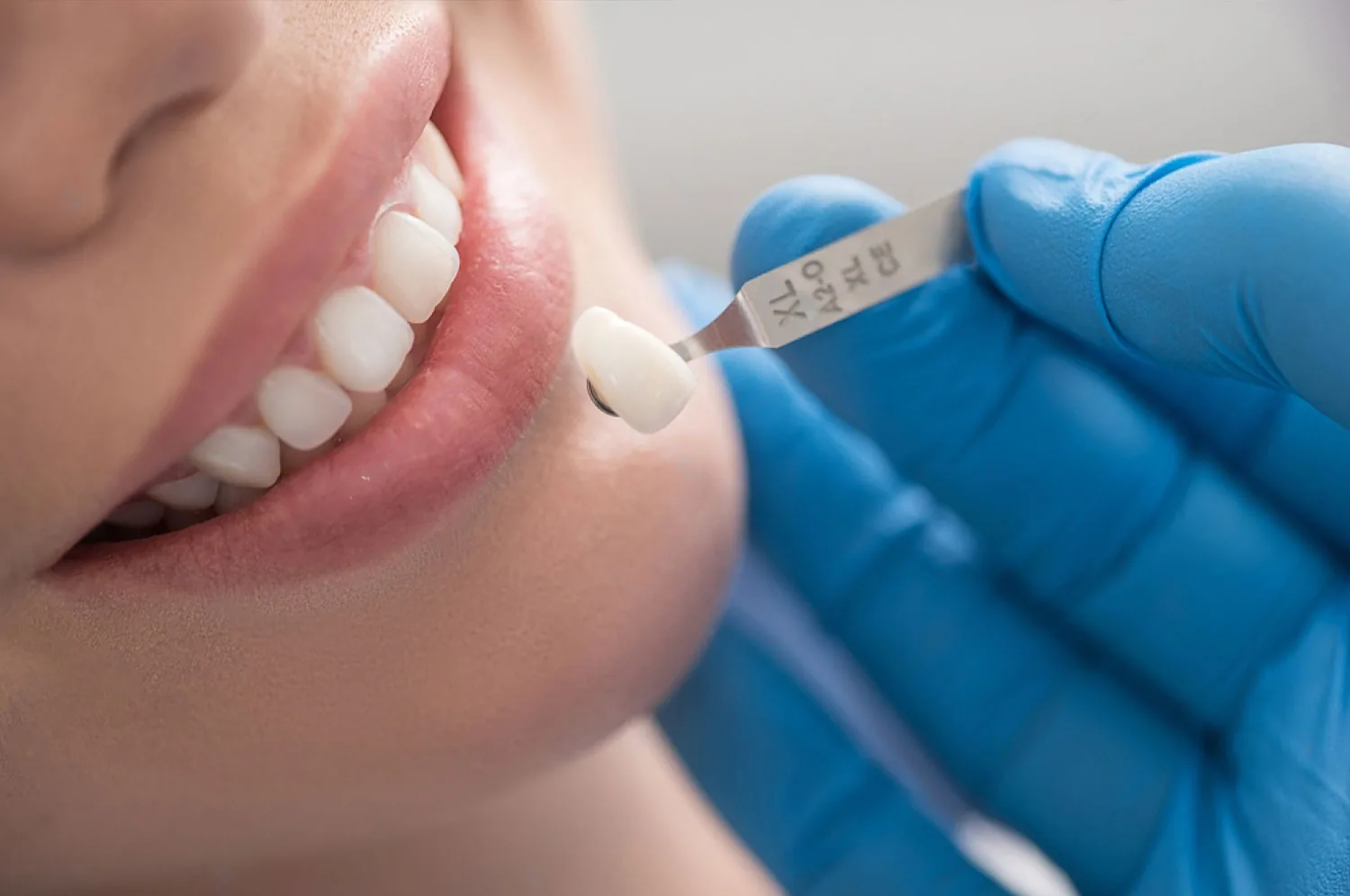 Coronation: Dental Crowns in Shrewsbury PA
 Are You Brushing Properly? Beautiful Smiles in Shrewsbury PA
 Beautiful Smiles in Shrewsbury PA!