
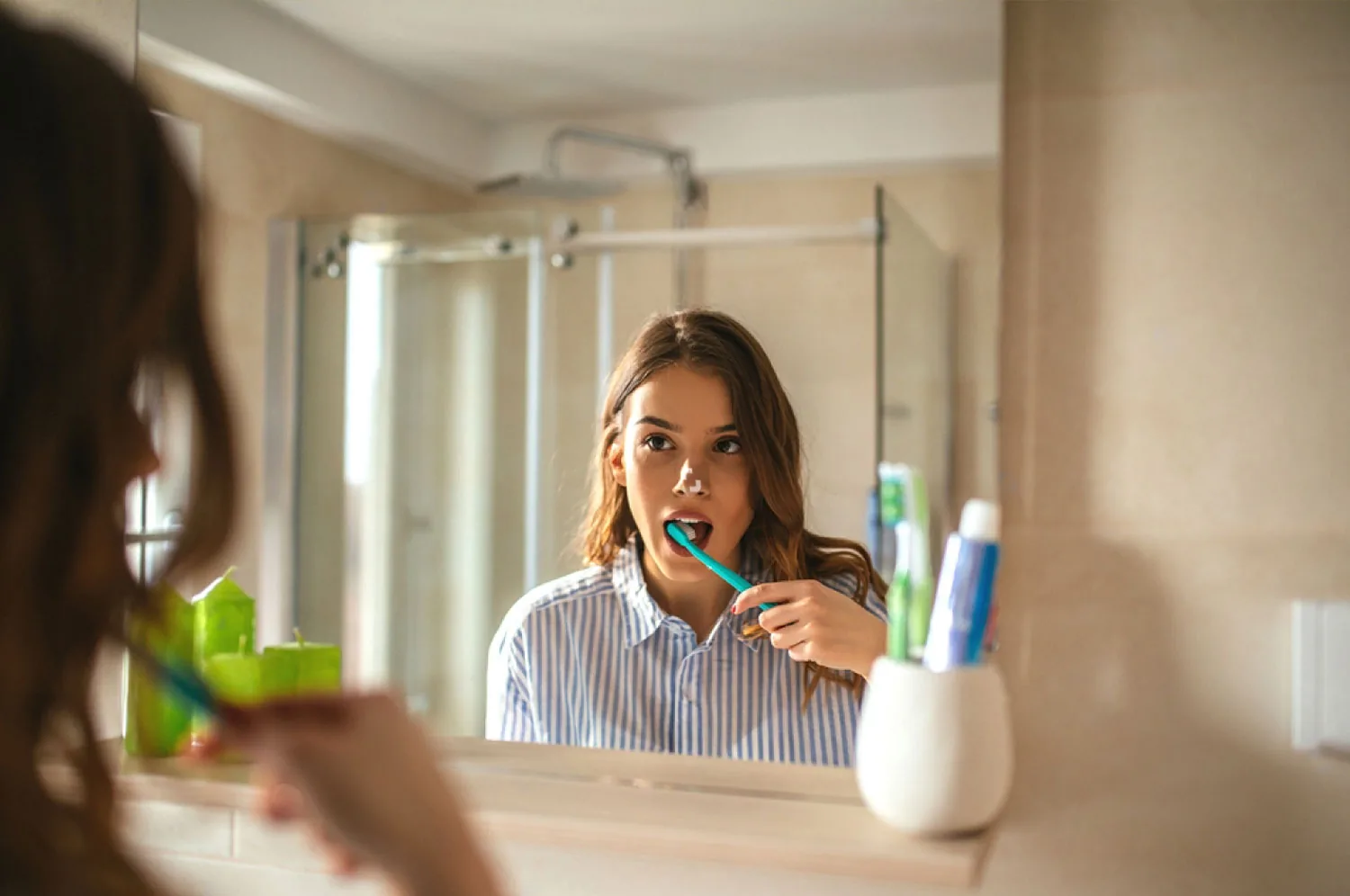
Are you brushing properly? Most people in Shrewsbury, PA brush daily, yet small habits decide whether brushing keeps a smile beautiful. Here is how to get the most from two minutes with a toothbrush, and when to ask your dentist for help.
Brushing looks simple, and that is the problem. It is easy to rush, to scrub too hard, or to miss the same spots every morning for years. The good news is that better brushing costs nothing. It takes the right brush, the right angle, enough time and a little attention.
Why the way you brush matters
Plaque is a soft, sticky film of bacteria that forms on your teeth every day. If it stays put, it feeds on sugars from food and drink and makes acids that wear away enamel. Left longer, it hardens into tartar, which a toothbrush cannot remove. Plaque that sits along the gumline also irritates the gums and can lead to gingivitis, the earliest stage of gum disease.
Brushing breaks up that film before it can do harm. But a quick swipe across the front teeth leaves plaque behind on the inside surfaces, the back molars and the narrow band where tooth meets gum. Those are exactly the places where cavities and gum problems tend to start.
Step by step: how to brush properly
The American Dental Association recommends brushing twice a day for two minutes with a soft-bristled brush. Here is a routine that covers every surface:
- Wet the brush and use a pea-sized amount of toothpaste. Pre-wetting helps the paste foam, and that foam helps lift food debris out of the small grooves and crevices of your teeth.
- Hold the brush at a 45-degree angle to the gumline. Point the bristle tips toward the spot where your teeth and gums meet. This lets the bristles reach just under the edge of the gum, where plaque likes to hide.
- Use short, gentle strokes. Move the brush back and forth in small, tooth-wide motions or gentle circles. Think of polishing, not scrubbing.
- Work in sections. Divide your mouth into four quarters and give each one about 30 seconds. Brush the outer surfaces, the inner surfaces and the chewing surfaces of every tooth.
- Tilt the brush for the backs of your front teeth. Hold it upright and use several up-and-down strokes on the inside of your upper and lower front teeth.
- Brush your tongue. Bacteria collect on the tongue too, and a few light strokes help keep your breath fresh.
- Swish and spit. A final swish picks up any stragglers. Many dentists suggest spitting out the extra paste rather than rinsing hard with water, so the paste can keep working on your enamel a little longer.
If two minutes feels long, use a timer on your phone or a brush with a built-in timer. Most people stop well short of two minutes without noticing.
Soft bristles protect your enamel and gums
Toothpaste contains mild abrasives that polish the teeth without harming healthy enamel. Pair those abrasives with stiff bristles and heavy pressure, though, and you can wear down enamel and push the gums back over time.
Receding gums are more than a cosmetic concern. When the gumline pulls back, it can expose the softer root surface of the tooth. That may bring tooth sensitivity, faster buildup and decay, a weaker tooth and, in severe cases, tooth loss. A soft or extra-soft brush cleans just as well and is far kinder to your mouth. If your bristles splay out flat within a few weeks, that is a sign you are pressing too hard.
For more on choosing a brush, read our article Soft, Medium, or Buzz Lightyear?
Choosing the right toothpaste
A good toothpaste does more than freshen your breath. Toothpastes with fluoride help remineralize enamel, which means they help repair the early, invisible weak spots that come before a cavity. That benefit depends on contact time, which is one more reason to brush for the full two minutes and reach every surface of every tooth.
Some patients prefer a more natural approach to their care. At Southern York Smile Care, patients who follow a holistic path can choose a remineralization varnish in the office, and fluoride is available for patients who want it. Either way, Dr. Haywood can suggest a toothpaste that suits your teeth, your goals and any sensitivity you have. You can learn more on our holistic dentistry page.
Common brushing mistakes to avoid
- Brushing too hard. Pressure does not equal clean. Gentle strokes remove plaque without damaging enamel or gums.
- Brushing straight after acidic food or drink. Citrus, soda and wine soften enamel for a short time. Waiting a while before brushing gives your saliva a chance to settle things down.
- Keeping a worn-out brush. The ADA suggests replacing your toothbrush every three to four months, or sooner if the bristles fray.
- Skipping the gumline. Angle the bristles toward the gums every time. See What Is Lurking Under Your Gumline? to learn why this matters so much.
- Forgetting to floss. A toothbrush cannot reach between teeth. Clean between them once a day with floss, a water flosser or small interdental brushes.
How your dentist helps you brush better
Even a careful brusher misses spots. A professional cleaning removes the tartar that home care cannot, and it shows you where plaque tends to build up in your own mouth. At Southern York Smile Care, a dental cleaning is a full 60 minutes, which leaves time to clean thoroughly and to talk about your routine.
Dr. Steven Haywood has been in practice for more than 35 years. At your next visit, ask which products and techniques Dr. Haywood recommends for you. Someone with crowns, implants or Invisalign aligners may need different tools than someone with no dental work at all. The team can show you the right angle in your own mouth, which is often easier than reading about it.
Regular checkups also catch small problems early. Our preventive dentistry visits use digital X-rays and an intraoral camera, so you can see what the dentist sees. If a tooth already needs repair, the practice offers restorative and cosmetic dentistry to bring it back to health and good looks.
Nervous about the dentist?
If worry about dental visits has kept you away, you are not alone. Many adults put off care because of past experiences. Southern York Smile Care offers sedation dentistry, including oral sedation, to help you feel calm and comfortable. Your comfort and safety come first, and the team will explain each step before it happens.
Your next step
Good brushing at home and regular care in the office work together to keep your smile healthy and beautiful. If it has been a while since your last cleaning, or you want a quick lesson on brushing properly, call Southern York Smile Care at (717) 235-3871 or request an appointment at our office at 4 S. Main St in Shrewsbury. New patients from York, southern York County and northern Baltimore County are always welcome. You can also read our new patient information before your first visit.

DDS cum laude 1987, US Air Force residency, NYU cosmetic training and Fellow of the International Congress of Oral Implantologists, with 35+ years in practice.
Meet Dr. Haywood → Dental Implants in York: Replace Missing Back Teeth!
 Mouthwash Facts and Dental Health in Shrewsbury PA
 Quirky Dental Facts That May Surprise You