
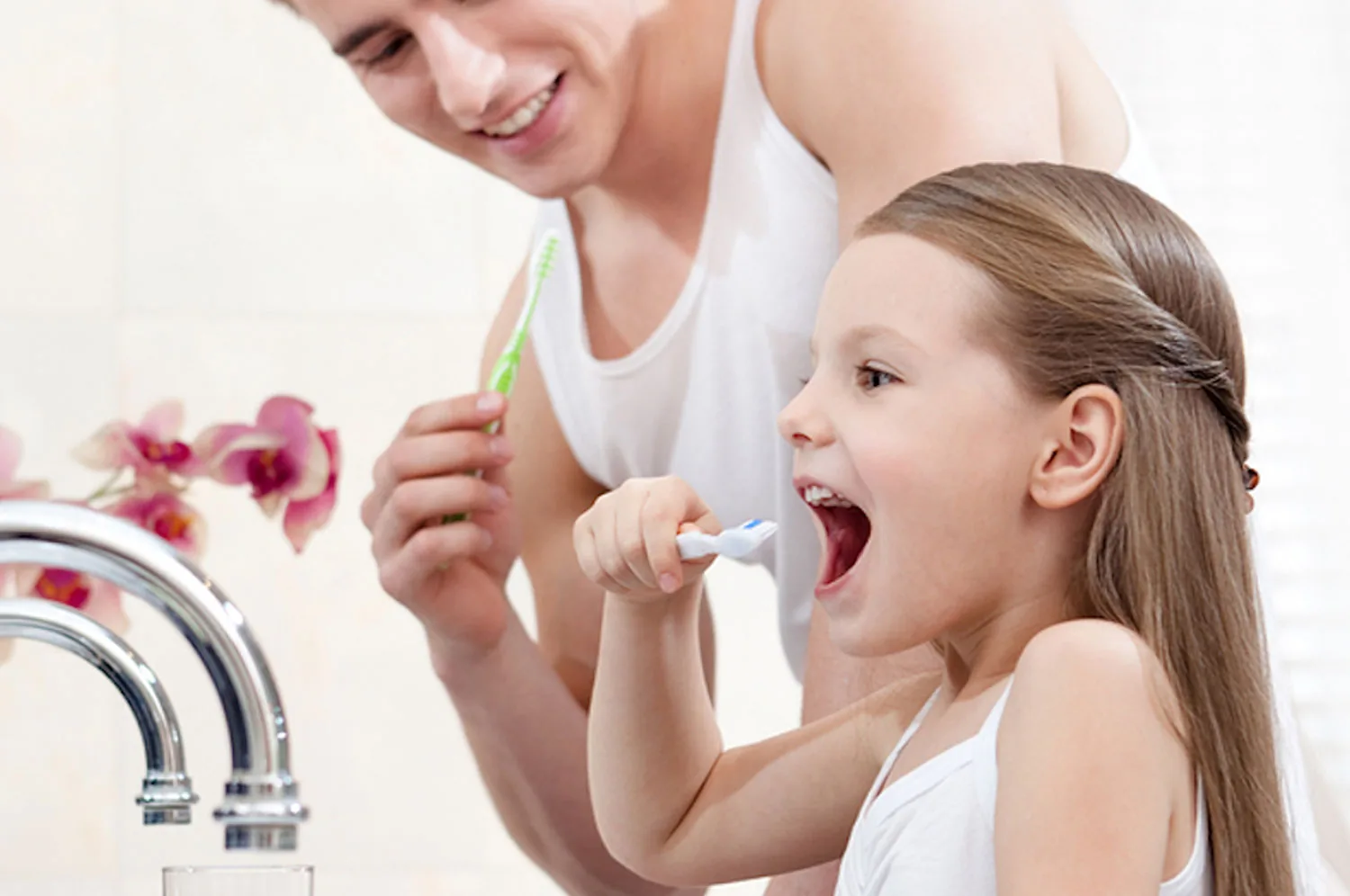
Soft, medium, or Buzz Lightyear? Picking a toothbrush can feel like choosing a paint color, but the answer for most people is simple. Here is how to choose the right brush for you and your family, from Dr. Steven Haywood at Southern York Smile Care in Shrewsbury, PA.
Patients often ask Dr. Haywood about the most basic tool of oral hygiene. It is a fair question. Walk down the dental aisle of any York grocery store or Baltimore County drugstore and you will find brushes with bristles of different lengths, brushes that massage your gums, brushes that change color when they wear out, and brushes covered in cartoon characters. If we rated them on fun alone, the superhero and space ranger brushes would win easily. But fun is not the only thing that counts.
Soft, medium or hard: which bristles are best?
The firmness of the bristles matters more than anything else on the package. Hard bristles are great for scrubbing a grill or a shower floor. Your teeth and gums are a different story.
Medium and hard brushes can wear down enamel and push your gums back over time, especially if you brush with a lot of pressure. Receding gums can expose the sensitive root of a tooth, which may lead to sensitivity and decay. Soft and extra-soft bristles are firm enough to remove plaque, food particles and surface stains. They also bend into the small nooks and crannies around each tooth and just under the gumline, which is where plaque likes to hide.
That is why the American Dental Association recommends a soft-bristled brush for most people. If you are used to a firm brush, a soft one may feel less scrubby at first. Give it a couple of weeks. Your gums will thank you.
After dental work or oral surgery
If you have had oral surgery, an extraction, implant surgery or a gum graft, switch to an extra-soft brush and be very gentle around the healing area. Follow the instructions the team gives you. If you are not sure when it is safe to brush the area normally again, just call and ask.
Head size, handle and shape
Once you have soft bristles, the rest comes down to comfort and reach.
- Head size. A smaller head reaches the back molars more easily. If you find yourself gagging or missing the back teeth, try a smaller head.
- Handle. Choose a handle you can hold comfortably at a 45-degree angle to your gums. A thicker or non-slip grip helps if your hands get tired.
- Bristle pattern. Angled or multi-level bristles can help, but they are not essential. Good technique matters more than fancy bristles.
- The ADA Seal. Look for the ADA Seal of Acceptance on the package. It means the brush has been tested for safety and effectiveness. Read more in 4 Reasons to Look for the ADA Seal.
Choosing a toothbrush for your child
For children, the best brush is the one they will actually use. When buying a brush for a child, make sure it feels comfortable in your child's hand. If the size or angle feels awkward, your child is less likely to brush long enough to clean every part of the mouth.
Children do not always need a child-sized brush. Some kids manage a regular adult brush better than a short, narrow child's brush. Let your child try holding a few, and pick one with soft bristles and a head that fits comfortably in the mouth. A favorite character on the handle is fine if it gets your child excited to brush.
Young children usually need help brushing until they have the coordination to do a thorough job on their own. Many parents brush first and then let the child have a turn. If you have questions, the team is happy to help at your child's visit. Learn more about children's dentistry at Southern York Smile Care.
Electric brushes and water flossers
Some people love the feel of vibrating bristles or a small jet of water clearing away plaque. Are they worth it?
A manual brush cleans well when you use good technique for two full minutes. A powered brush can make that easier. Many have built-in timers and pressure sensors that warn you when you press too hard. Powered brushes are especially helpful for people with arthritis or other conditions that limit hand and arm movement, since the brush does much of the work.
Water flossers spray a thin stream of water between teeth and along the gumline. They are a good choice if you find string floss hard to use, or if you have bridges, implants or other dental work that floss does not reach easily. Read more in our article on water flossing.
If you choose a powered brush, let it do the work. Guide the head slowly from tooth to tooth and hold it at the gumline for a moment, rather than scrubbing back and forth as you would with a manual brush. Pressing hard with an electric brush can wear enamel and irritate gums just as a firm manual brush can.
Whatever you choose, the same rules apply: soft bristles, gentle pressure, two minutes, twice a day.
Brushing around dental work
Crowns, bridges, implants and Invisalign attachments all need a little extra care. A soft brush with a small head reaches the edges of crowns and the gumline around implants. Small interdental brushes clean under bridges and between wider gaps. If you wear Invisalign aligners, brush your teeth before you put the aligners back in, and clean the aligners gently with a soft brush and cool water. Dr. Haywood can recommend the right tools for the work in your mouth.
When to replace your toothbrush
A worn brush does not clean well. The ADA suggests replacing your toothbrush, or the head of an electric brush, every three to four months, or sooner if the bristles are frayed. Replace it after a cold or flu too.
Let your brush air-dry upright after each use, and keep it apart from other brushes so the bristles do not touch. Closed containers keep brushes damp, which can encourage bacteria. Our article An Air-Dried Toothbrush Is a Healthy Toothbrush explains why.
Is your toothbrush doing the job?
Even the best brush cannot remove tartar once it forms, and it is easy to miss the same spots every day without knowing it. A professional dental cleaning at Southern York Smile Care is a full 60 minutes. That gives the team time to clean thoroughly and to show you, in your own mouth, where your brush is missing. If you have not had a cleaning like that, you may be surprised how clean your teeth and gums can feel.
Regular preventive visits also let Dr. Haywood spot early signs of gum recession or enamel wear, which are often clues that your brush is too firm or your technique too heavy. For a step-by-step brushing routine, see Are You Brushing Properly?
Your next step
Bring your questions, and even your toothbrush, to your next visit. Call Southern York Smile Care at (717) 235-3871 or request an appointment at our office at 4 S. Main St in Shrewsbury. The practice welcomes families from Shrewsbury, York, southern York County and northern Baltimore County, MD.

DDS cum laude 1987, US Air Force residency, NYU cosmetic training and Fellow of the International Congress of Oral Implantologists, with 35+ years in practice.
Meet Dr. Haywood → Dr. Steven W. Haywood: Calming Root Canal Fears
 Less Is More in Dentistry
 Been a While Since You’ve Visited a Dentist?