
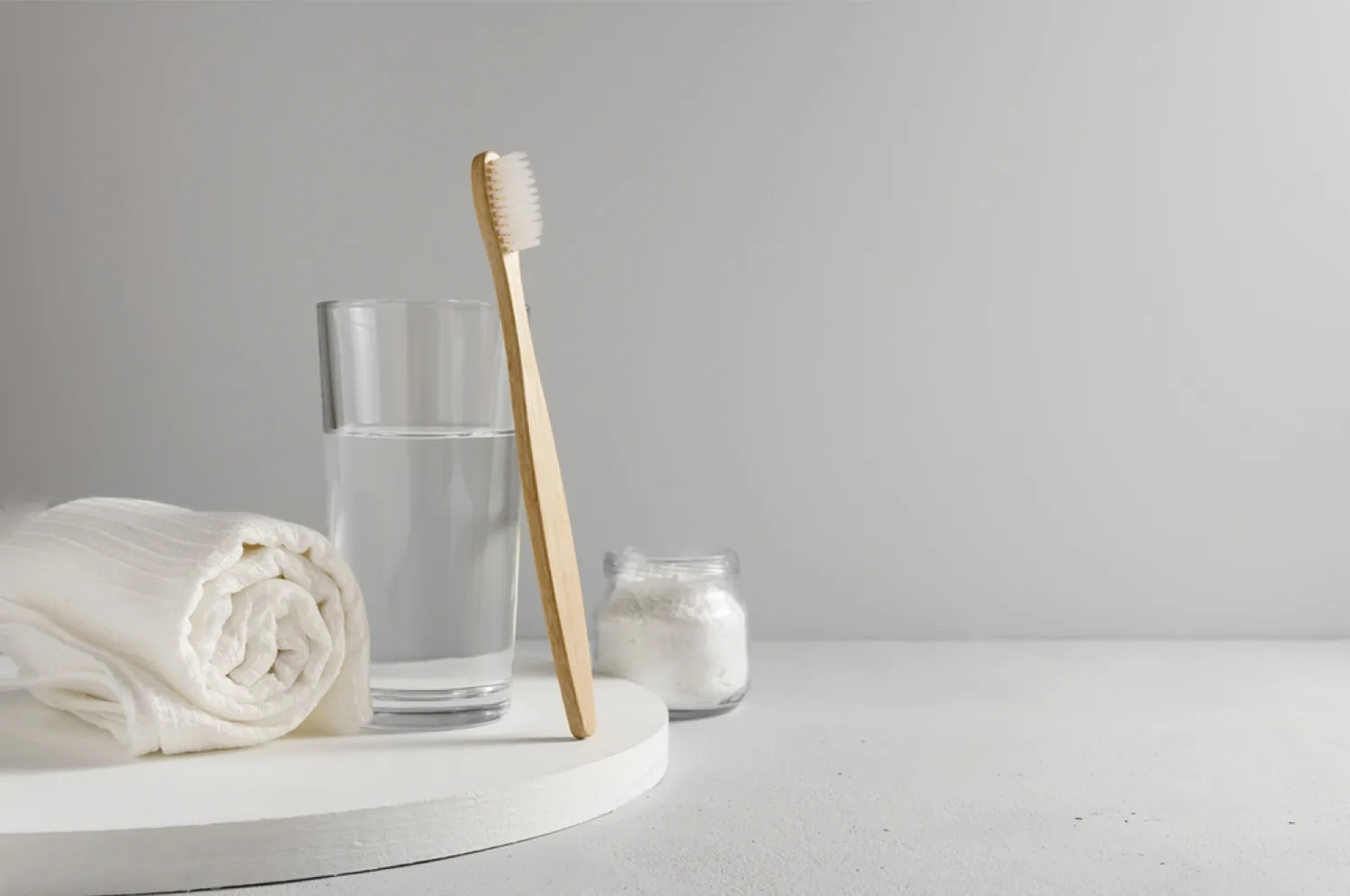
An air-dried toothbrush is a healthy toothbrush, because bacteria grow fastest on bristles that stay damp between uses. A few small habits keep your brush clean. Here is how to store, travel with and replace yours.
Your toothbrush does an important job twice a day, but it rarely gets much thought once it goes back in the cup. At Southern York Smile Care in Shrewsbury, PA, we like to remind patients that how you care for your brush matters too. A clean, dry, fresh brush simply cleans your teeth better.
Why a damp toothbrush is a problem
Your mouth is home to hundreds of kinds of bacteria. Most are harmless, and some are even helpful. Every time you brush, some of those bacteria end up on the bristles, along with bits of food and toothpaste. That is normal and nothing to panic about.
The trouble comes when the brush stays wet. Moisture, warmth and leftover debris give germs and mold a comfortable place to multiply. A brush that dries out between uses is a much less friendly home for them. That is why the ADA and other health groups recommend letting your toothbrush air dry.
How to store your toothbrush
Good storage is simple and costs nothing:
- Rinse it well. After brushing, rinse the bristles under running water to wash away toothpaste and food. Tap the handle on the sink to shake off extra water.
- Stand it upright. Keep the brush in a holder or cup with the bristles pointing up so water drains away from the head.
- Leave it in the open. Air flow helps the brush dry. A drawer, a closed cabinet or a covered case traps moisture.
- Give it space. If several brushes share one cup, keep the heads from touching so germs are not passed from one to another.
- Keep it away from the toilet. Flushing can spray tiny droplets into the air. Store brushes as far from the toilet as you can, and close the lid before you flush.
- Clean the holder. Toothbrush cups collect water and grime at the bottom. Wash the holder regularly with hot, soapy water.
What about toothbrush covers?
Plastic caps that snap over the bristles seem clean, but they keep moisture in. If you like to use a cover, make sure the brush is fully dry first, or pick a cover with vent holes. At home, the best cover is usually no cover at all.
The two-toothbrush trick
Here is an easy tip: keep two toothbrushes and switch between them. Use one in the morning and the other at night, or swap each day. That gives each brush more time to dry completely before you use it again. It is especially helpful in a humid bathroom or if you brush more than twice a day.
If you use a powered toothbrush, the same idea works with two brush heads. Let the spare head dry on its own, and wipe the spot where the head attaches to the handle, since water and toothpaste can collect there.
Traveling with your toothbrush
Travel is where many brushes stay damp for days. Before you pack, let your brush dry as much as you can. Use a travel case with air holes, and open it as soon as you arrive so the brush can breathe. On longer trips, take the brush out of the case each night. A travel-sized brush or an inexpensive spare is also handy, since you can simply replace it when you get home.
When to replace your toothbrush
Even a well-cared-for brush wears out. The ADA recommends replacing your toothbrush or brush head every three to four months, or sooner if the bristles are frayed. Worn bristles bend and splay, and they do not reach plaque along the gumline or between teeth as well.
It is also a good idea to replace your brush after a cold, the flu, a sore throat or a mouth infection. Some people mark the date on the handle or set a reminder on their phone. Our article on how often to replace your toothbrush has more on this.
Habits to skip
- Sharing a toothbrush, even with family. It passes bacteria and viruses from one mouth to another.
- Soaking your brush in mouthwash all day. A shared soaking cup can spread germs, and the brush stays wet.
- Boiling or microwaving the brush. High heat can damage the bristles and handle.
- Using a hard-bristled brush. Soft bristles clean well and are kinder to your enamel and gums.
Do toothbrush sanitizers help?
You may have seen gadgets that use ultraviolet light or heat to sanitize toothbrushes. They can reduce the germs on bristles, but there is no strong evidence that they prevent illness or improve the health of your mouth. Some closed sanitizer units can also keep the brush damp if they are not designed to let it dry. For most people, a good rinse, upright storage and regular replacement are all that is needed. If you have a weakened immune system or a medical condition that makes infections more risky, ask your dentist or physician whether extra steps make sense for you.
Children's toothbrushes
Kids' brushes get chewed, dropped and borrowed, so they often wear out sooner than adult brushes. Check them often, store them upright and apart from siblings' brushes, and replace them as soon as the bristles look tired. Our children's dentistry page has more tips for young smiles.
A clean brush is only part of the picture
A fresh, dry toothbrush helps, but it is technique that removes plaque. Brush twice a day for two minutes with the bristles angled toward the gumline, and clean between your teeth once a day with floss or a water flosser. If you are wondering whether an electric or sonic brush would help, read our article on the techno-toothbrush.
Regular visits fill in the gaps that home care cannot reach. At Southern York Smile Care, every cleaning is a full 60 minutes, which leaves time to remove hardened tartar, check your gums and show you any spots your brush is missing. Learn more on our dental cleanings and preventive dentistry pages.
When bleeding gums or sore spots appear
If your gums bleed when you brush, or a sore spot does not heal within two weeks, do not just switch brushes and hope. Bleeding gums are often an early sign of gum disease, and it is much easier to treat when it is caught early. Our gum disease treatments page explains the options, and our article you may have gingivitis covers the early warning signs.
Schedule your next checkup in Shrewsbury
Dr. Steven Haywood, DDS, and the team at Southern York Smile Care are happy to answer questions about toothbrushes, technique and anything else that keeps your smile healthy. We are at 4 S. Main St in Shrewsbury, PA, and serve York, southern York County and northern Baltimore County, MD. Call (717) 235-3871 or request an appointment.

DDS cum laude 1987, US Air Force residency, NYU cosmetic training and Fellow of the International Congress of Oral Implantologists, with 35+ years in practice.
Meet Dr. Haywood → Mouthwash Facts and Dental Health in Shrewsbury PA
 4 Oral Ailments to Discuss with your Dentist
 Bad Breath Treatment at Southern York Smile Care