
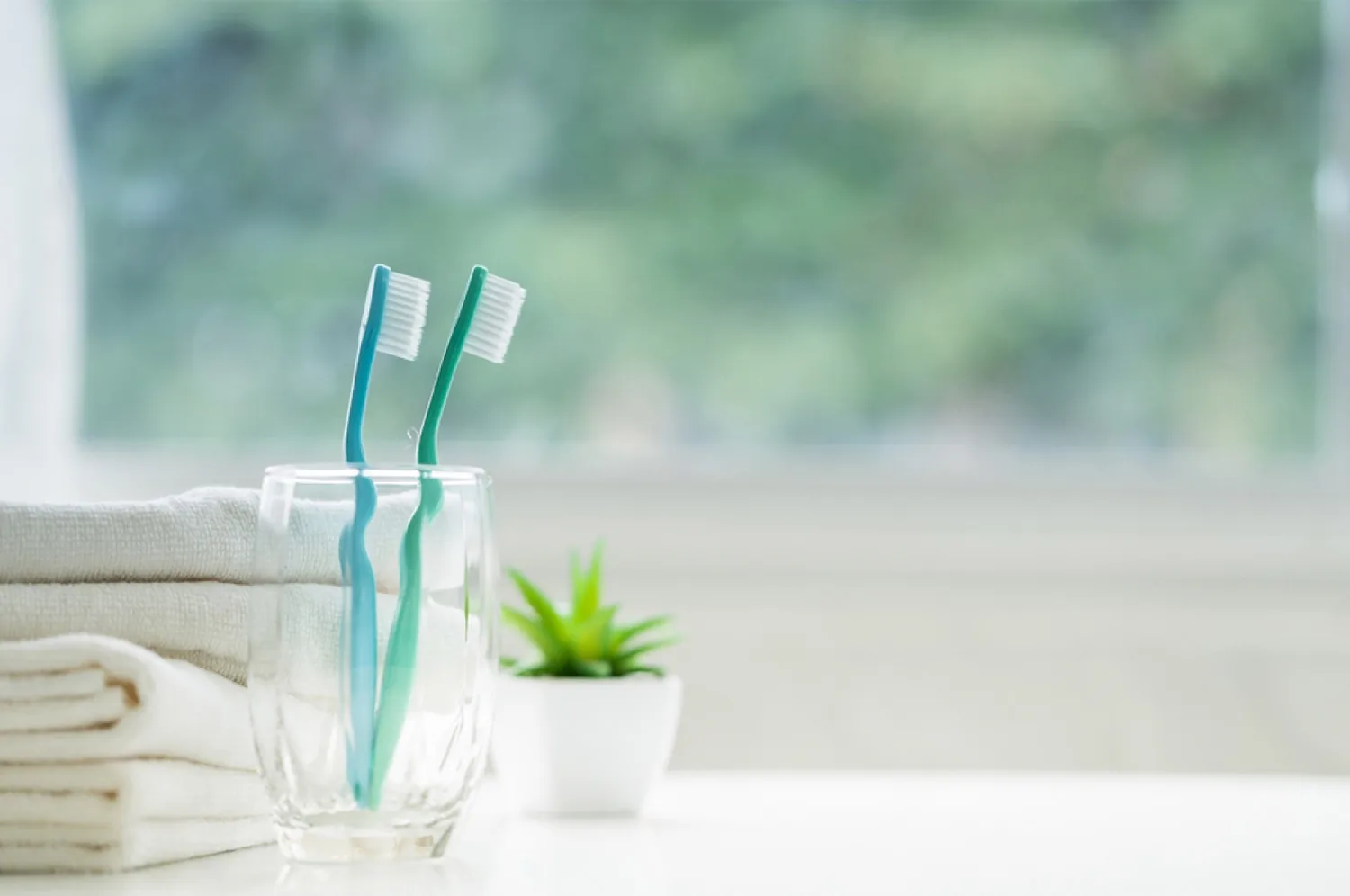
How often should I replace my toothbrush? About every three months, or sooner if the bristles look frayed, flattened or splayed. At Southern York Smile Care in Shrewsbury, PA, we recommend a fresh brush on that schedule because a worn brush simply does not clean as well. Here is why, and how to make each brush last.
The three-month rule
The American Dental Association recommends replacing your toothbrush every three to four months. That timing is based on how quickly bristles wear out with normal use. Brushing twice a day for two minutes adds up to a lot of scrubbing over a few months.
A simple way to remember: change your brush with the seasons. A new brush in spring, summer, fall and winter keeps you on track. Some people set a phone reminder or write the date on the handle with a marker.
When to replace it sooner
- The bristles are frayed or bent. If they look like they are trying to get away from each other, it is time, no matter how old the brush is.
- You have been sick. Many dentists suggest a new brush after a cold, flu or sore throat.
- Someone else used it by mistake. Toothbrushes should never be shared.
- It was dropped somewhere unclean or stored where it could not dry.
- Your child chews on it. Kids' brushes often wear out faster than adults'.
If your brush wears out in a few weeks, that is a clue too. Bristles that splay quickly often mean you are pressing too hard. Try holding the brush with your fingertips, like a pencil, to lighten your touch.
Why worn bristles do not clean well
Do you ever stand at the sink, look at those frayed bristles and wonder if it is time? Those bent bristles are the telltale sign. It is easy to get attached to a favorite brush. It may feel comfortable, like an old pair of blue jeans. But using a brush too long is not a good idea.
Bristle angle matters
The bristles on a new brush stand straight and firm. They reach into the grooves of your teeth and slip just under the gumline, where plaque likes to hide. Gentle, small circles with a straight-bristled brush clean your teeth well without causing harm.
Flat bristles make you work harder
Once bristles flatten and splay, they cannot reach those spots as well. Studies have found that worn brushes remove less plaque than new ones. Many people then press harder to make up for it. But scrubbing hard can wear away enamel and push your gums back, which can make teeth sensitive. A fresh, soft brush with a light touch does a better job.
Keeping your toothbrush clean
Bacteria can build up in the small gaps of a toothbrush, around the base of the bristles. A brush kept in a damp, closed space can stay wet, which helps germs grow. Over time, that can add to bad breath and plaque buildup.
Simple storage tips
- Rinse your brush well with tap water after each use to remove toothpaste and debris.
- Store it upright in an open holder so it can air dry between uses.
- Keep brushes apart so the heads do not touch other family members' brushes.
- Avoid closed travel caps for daily use. They trap moisture. Use them only for travel, and let the brush dry once you arrive.
- Keep your brush away from the toilet, and close the lid before flushing.
Good drying also helps your brush last its full three months. Our article An Air-Dried Toothbrush Is a Healthy Toothbrush explains more.
Choosing your next toothbrush
Soft bristles are best
For almost everyone, a soft-bristled brush is the right choice. Soft bristles clean well and are gentle on enamel and gums. Medium and hard bristles can do more harm than good, especially if you brush with a heavy hand. Our article Soft, Medium or Buzz Lightyear? covers how to choose.
Size and shape
Pick a head small enough to reach your back teeth comfortably. A handle that is easy to grip helps you control the angle and pressure.
Manual or electric?
Both can clean well when used correctly. Electric brushes do some of the work for you and can help people with arthritis, people wearing Invisalign aligners, or anyone who tends to rush. Many have timers and pressure sensors. If you use an electric brush, replace the head on the same three-month schedule. Read more in The Techno Toothbrush.
Brushes for children
Children need a small, soft brush sized for their mouths. Let your child pick a fun color or character, since a brush they like is a brush they will use. Young children need help brushing until they can do a thorough job on their own, often around age seven or eight. Kids' brushes tend to wear quickly, so check them often. Our children's dentistry page has more tips for young smiles.
Look for the ADA Seal
The ADA Seal of Acceptance shows a product has been reviewed for safety and effectiveness. See our article 4 Reasons to Look for the ADA Seal.
Brushing right: a quick refresher
A fresh brush works best with good technique:
- Brush twice a day, for two full minutes each time.
- Hold the brush at a slight angle toward your gumline.
- Use gentle, small circles rather than hard back-and-forth scrubbing.
- Clean the outer, inner and chewing surfaces of every tooth.
- Brush your tongue to help with fresh breath.
- Floss once a day to clean where your brush cannot reach.
Ask at your next cleaning if you would like a quick brushing check. It only takes a minute and can make a real difference.
A fresh brush is only half the equation
A new toothbrush is one part of good dental health. The other part is seeing your dentist for a cleaning and checkup about every six months. Even the best brusher misses some plaque, and once it hardens into tartar, only a professional cleaning can remove it.
Cleanings at Southern York Smile Care are a full 60 minutes, so there is time to clean thoroughly and answer your questions. Dr. Steven Haywood, DDS, has 35+ years in practice. Learn more on our dental cleanings and preventive dentistry pages. If you would like to brighten your smile too, see our cosmetic dentistry page.
Schedule a cleaning in Shrewsbury
If your toothbrush is overdue for a change, chances are your cleaning might be too. Call Southern York Smile Care at (717) 235-3871 or request an appointment. We are at 4 S. Main St in Shrewsbury, PA, and welcome patients from York, southern York County and northern Baltimore County, MD.

DDS cum laude 1987, US Air Force residency, NYU cosmetic training and Fellow of the International Congress of Oral Implantologists, with 35+ years in practice.
Meet Dr. Haywood → 4 Oral Ailments to Discuss with your Dentist
 Bad Breath Treatment at Southern York Smile Care
 10 Terrific Tooth Tips From Southern York Smile Care