

Bad breath treatment starts with finding the cause, and at Southern York Smile Care in Shrewsbury, PA, most cases can be solved. Bad breath, also called halitosis, is unpleasant and can be embarrassing. The good news is that it usually starts in the mouth, where your dentist can help.
Mints, gum and mouthwash only cover up the smell for a short time. They do not fix what is causing it. This guide explains where bad breath comes from, what you can do at home, and how Dr. Steven Haywood and the team can help you find a lasting answer.
What causes bad breath?
Most bad breath comes from bacteria in the mouth. These bacteria feed on tiny bits of food and on the proteins in saliva. As they break these down, they give off gases that smell bad. The more bacteria there are, and the more places they have to hide, the stronger the odor.
Common causes in the mouth
- A coated tongue. The back of the tongue is rough and holds a lot of bacteria. It is one of the most common sources of bad breath.
- Plaque and tartar. The sticky film on your teeth is full of bacteria. When it hardens into tartar, brushing alone cannot remove it.
- Gum disease. Bacteria can collect in pockets between the gums and teeth, where they cause a strong, lasting odor. Bleeding or puffy gums are a warning sign.
- Cavities and broken fillings. Food and bacteria can get trapped in holes and cracks.
- Dry mouth. Saliva washes away bacteria. When your mouth is dry, from medicines, breathing through your mouth or simply not drinking enough water, odor builds up. Morning breath is a mild version of this.
- Dentures, aligners and retainers that are not cleaned every day.
- Food and tobacco. Garlic, onions, coffee and smoking all leave odors behind.
Causes elsewhere in the body
Sometimes bad breath points to a health problem outside the mouth. Sinus and tonsil infections, acid reflux, ulcers, diabetes, low blood sugar, kidney problems and eating disorders can all cause bad breath. Some medicines and very low-carb diets can change your breath, too. If your mouth is healthy and the odor does not go away, your dentist may suggest a visit to your doctor to look for other causes.
Why mints and mouthwash are not enough
Breath mints and many mouthwashes only mask the smell. The fresh feeling fades quickly, and the bacteria are still there. Some mouthwashes contain alcohol, which can dry out your mouth and make the problem worse over time.
That does not mean mouthwash is useless. Some rinses do help reduce bacteria. But a rinse works best as an extra step after brushing and cleaning between your teeth, not as a replacement. For more on choosing a rinse, read Mouthwash Facts and Dental Health.
How to fight bad breath at home
Good oral hygiene clears up many cases of bad breath. The key is cleaning your teeth, gums and tongue thoroughly, but gently.
- Brush twice a day for two minutes. Use a soft brush and small circles. Brushing harder is not better. Scrubbing too hard can hurt your gums and lead to gum recession, where gums pull back from the teeth.
- Clean between your teeth every day. Floss, small interdental brushes or a water flosser all remove food and plaque your toothbrush misses.
- Clean your tongue. Use a tongue scraper or your toothbrush to gently clean the top of your tongue, from back to front.
- Drink plenty of water. Staying hydrated keeps saliva flowing. Sugar-free gum can help too.
- Clean dentures and aligners daily, and take dentures out at night unless your dentist tells you otherwise.
- Cut back on tobacco, alcohol and sugary drinks, which all feed odor.
At Southern York Smile Care, the team helps patients of all ages learn safe and effective ways to brush, floss and clean the tongue. If you are not sure you are doing it right, ask at your next visit.
How the dental team can help
If bad breath does not improve with better home care, it is time for a dental visit. Here is what the team can do.
A thorough cleaning
Every dental cleaning at Southern York Smile Care is a full 60 minutes. That gives time to remove hardened tartar above and below the gumline, where bacteria hide. Many patients say their mouth feels fresher right away.
A check for gum disease and decay
The exam looks for gum pockets, cavities, cracked teeth and old fillings that may be trapping bacteria. Digital X-rays, which use up to 90% less radiation than older film X-rays, and DIAGNOdent, a laser pen that helps find early decay, make this check more precise. If gum disease is found, gum disease treatments can clean out the pockets and help the gums heal. An oral DNA test can show which bacteria are living below the gumline.
Repairing problem teeth
A cavity, a broken filling or a crown with a gap can all hold bacteria. Restorative dentistry fixes these trouble spots so food and bacteria have fewer places to hide. Southern York Smile Care is a mercury-free office and uses tooth-colored, BPA-free white fillings.
Help for dry mouth
If dry mouth is part of the problem, the team can talk about why it may be happening and how to ease it. Learn more in Why Is Dry Mouth Dangerous?
When bad breath is a warning sign
Most bad breath is harmless and easy to fix. But some signs mean you should not wait. Book a visit if you notice bad breath along with bleeding or swollen gums, loose teeth, a bad taste that does not go away, pain in a tooth, or a sore in your mouth that has not healed within two weeks. These can point to gum disease, an infection or another problem that needs care.
Regular checkups are the best way to stay ahead of these problems. Catching gum disease early is far easier than treating it once it is advanced. If you are not sure whether your breath is a problem, ask someone you trust, or ask the team at your next visit. They will give you an honest, friendly answer.
Get fresh breath back
You do not have to keep covering up bad breath. In most cases, a thorough cleaning, a check for hidden problems and a few changes at home are all it takes. Once your mouth is healthy, the team can also talk with you about cosmetic dentistry if you would like a brighter smile to go with your fresh breath.
Call (717) 235-3871 or request an appointment at Southern York Smile Care, 4 S. Main St in Shrewsbury, PA. The office serves Shrewsbury, York, southern York County and northern Baltimore County.

DDS cum laude 1987, US Air Force residency, NYU cosmetic training and Fellow of the International Congress of Oral Implantologists, with 35+ years in practice.
Meet Dr. Haywood →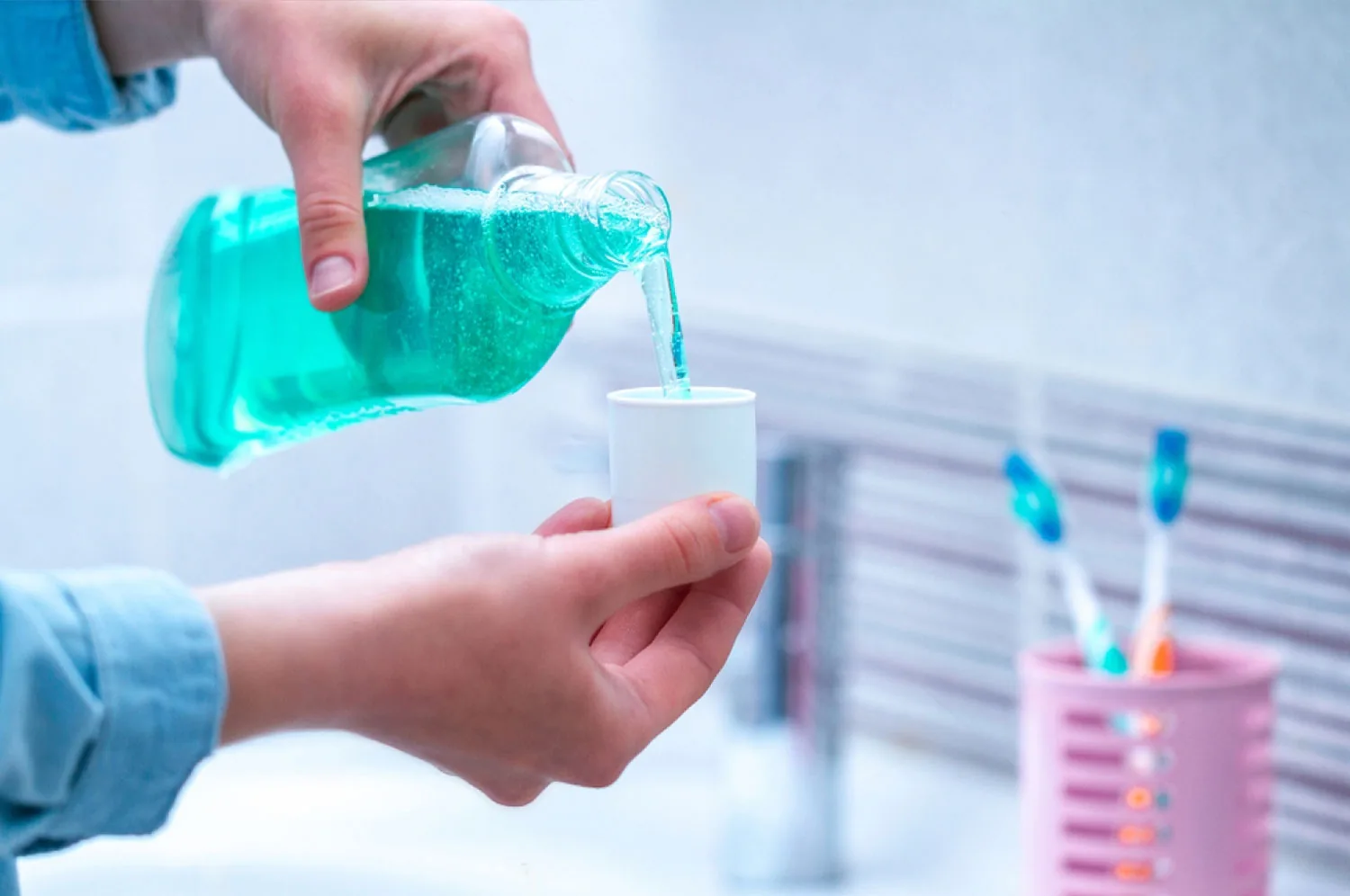 Mouthwash Facts and Dental Health in Shrewsbury PA
 4 Oral Ailments to Discuss with your Dentist
 Quirky Dental Facts That May Surprise You