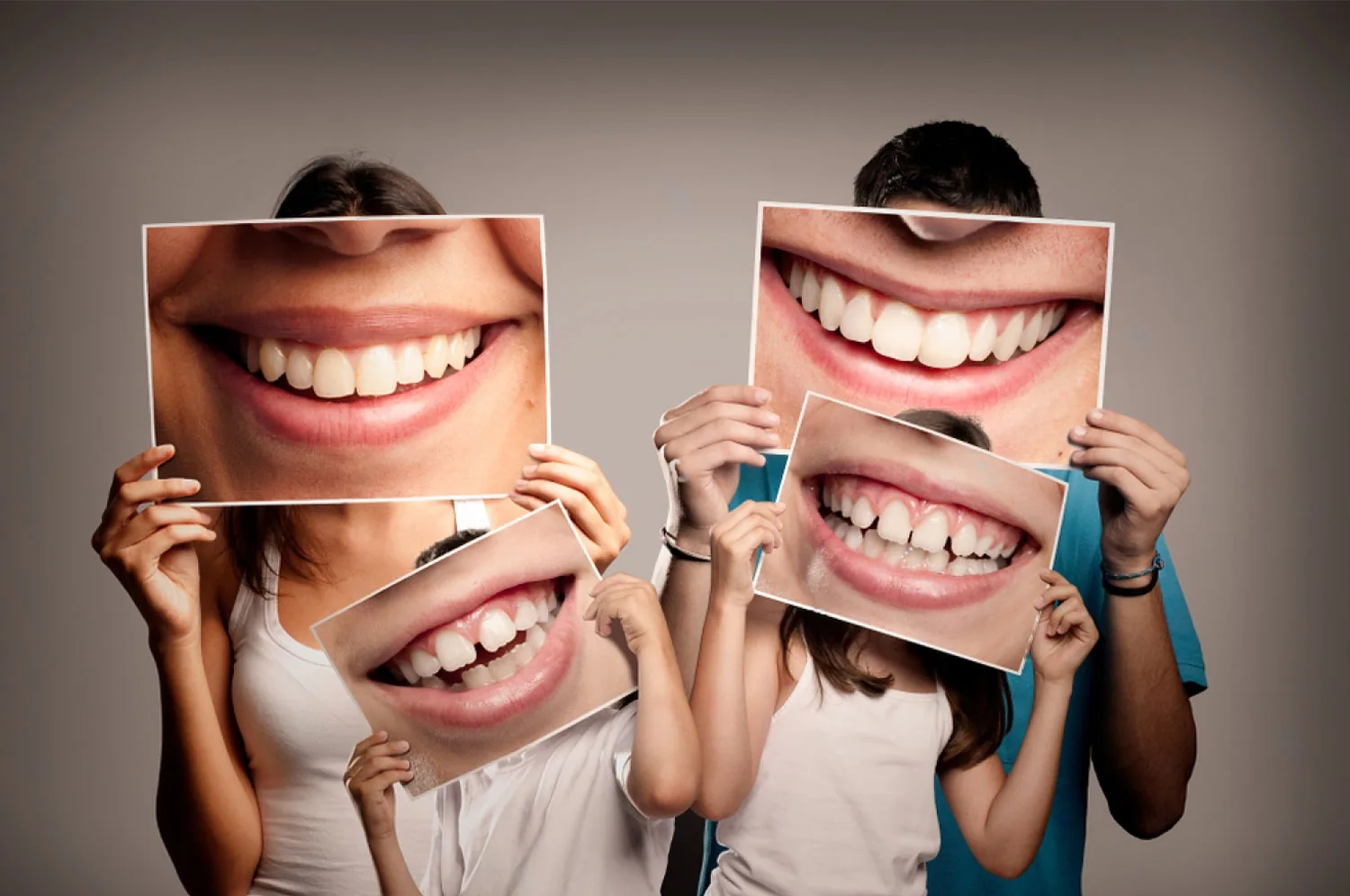
These quirky dental facts may surprise you, from blacksmith dentists and gem-studded Mayan teeth to pig-hair toothbrushes. At Southern York Smile Care in Shrewsbury, PA, we love a good bit of dental history, and we are glad dentistry has come a long way. Enjoy these fun facts, then see how they compare with modern, comfortable care.
Dentistry before dentists
Barbers and blacksmiths pulled teeth
Many people know that, before formal dental training and licensing, barbers often performed dental work. Barber-surgeons cut hair, let blood and pulled teeth. But blacksmiths sometimes pulled teeth too. They already had strong arms and pliers-like tools. How would you like your dental visit to involve tools made for hammering hot metal?
A silversmith made false teeth
Paul Revere, famous for the midnight ride of 1775, was a silversmith by trade who also advertised services setting false teeth. Revere is also credited with one of the first cases of identifying a person by their dental work: Revere recognized a wire and ivory bridge made for Dr. Joseph Warren, who was killed at Bunker Hill.
George Washington's teeth were not wood
It is a popular myth that George Washington wore wooden teeth. The first president's dentures were actually made from materials such as ivory, metal and human and animal teeth. None were wood, as George Washington's Mount Vernon explains.
The first dental college was just down the road
The world's first dental college, the Baltimore College of Dental Surgery, opened in 1840, not far from our patients in northern Baltimore County. It helped turn dentistry into a trained, licensed profession.
Ancient smile style
The Maya decorated their teeth
The ancient Maya were skilled at cosmetic dental work. Some people had small holes drilled into their front teeth to set in polished stones such as jade. Archaeologists have found many skulls with these inlays still in place, which suggests the work was done with real skill. Call it an ancient grill with serious bling.
Black teeth were once in fashion
In Japan, for centuries, blackened teeth were considered beautiful. The custom, called ohaguro, used a dye made from iron and plant tannins. It was popular among married women and, at times, among nobles. The practice faded in the late 1800s.
Early toothpaste was gritty
Ancient Egyptians are known to have used tooth-cleaning powders made from ingredients like ground shells, ashes and pumice. Rough on enamel, perhaps, but the idea of cleaning teeth daily goes back thousands of years.
The toothbrush has a story
Pig-hair bristles came first
For centuries, toothbrush bristles were often made from the coarse hair of hogs, set into handles of bone or wood. Nylon bristles were not introduced until 1938. ("Mom, my toothbrush smells like bacon!")
A toothbrush born in jail
William Addis of England is often credited with making the first mass-produced toothbrush around 1780. The story goes that the idea came while Addis was in jail, using a bone saved from a meal and bristles from a guard.
Today's choices
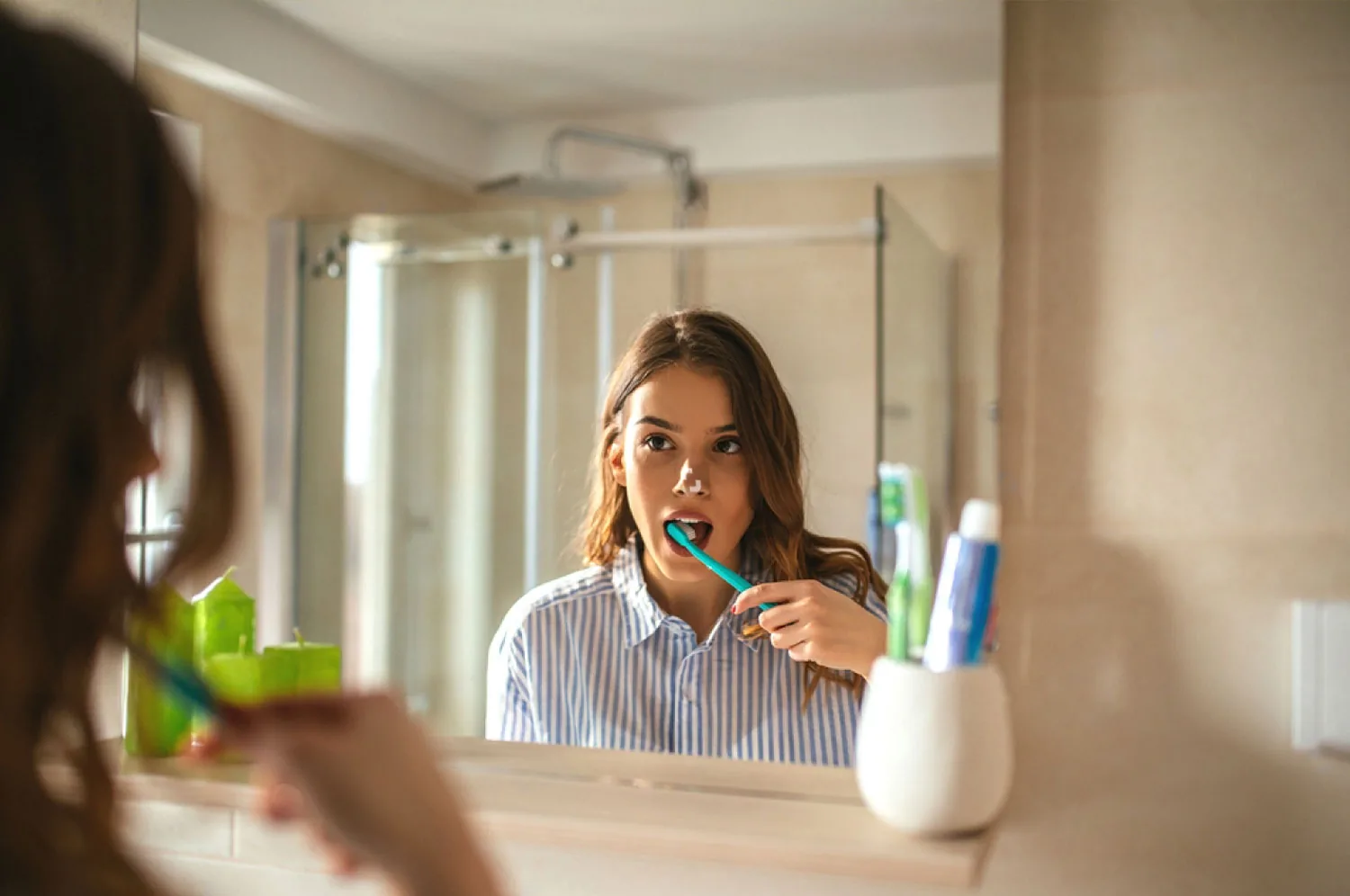
Today you can choose soft nylon brushes, electric brushes and water flossers. The best brush is a soft one you use for two minutes, twice a day. Curious about brush types? Read Soft, Medium or Buzz Lightyear?
Odd remedies and fun facts about your mouth
Kiss a donkey for a toothache?
According to popular dental folklore, one toothache remedy in medieval Germany was to kiss a donkey. There is no evidence it worked, and we do not know whether donkeys tried the same cure.
You make a lot of saliva
Your mouth produces saliva all day, commonly estimated at somewhere between half a liter and one and a half liters each day. Over a lifetime, that adds up to a truly huge amount. Saliva is more than spit: it rinses away food, neutralizes acids and carries minerals that help repair early enamel damage.
Enamel is the hardest substance in your body
Tooth enamel is harder than bone. But it is not alive, so it cannot repair major damage on its own. That is why cavities need a dentist.
Your tongue print is your own
Like fingerprints, the shape and surface pattern of each person's tongue appears to be unique. Researchers have even studied tongue prints as a possible way to identify people.
Teeth are unique too
No two people have exactly the same set of teeth. Even identical twins have differences. That is why dental records are so useful for identification.
Surprising facts that matter for your health
Most cavities start where you cannot see
Many cavities begin between the teeth or in the deep grooves of the back teeth. These spots are hard to clean and hard to see in a mirror. That is why cleaning between your teeth every day, and regular checkups with X-rays, make such a difference.
How often you snack matters more than how much
Each time you eat or sip something sugary or starchy, the bacteria in your mouth produce acid for a while afterward. Ten small snacks spread across a day can do more harm than one dessert with dinner.
Bleeding gums are not normal
Many people think a little blood when brushing is no big deal. It is often an early sign of gum inflammation, called gingivitis. The good news: caught early, it can usually be reversed with better cleaning at home and a professional cleaning.
Your mouth can show signs of other health issues
Dry mouth, mouth sores, gum changes and worn teeth can be clues to medications, stress, grinding or other health conditions. A careful dental exam looks at more than cavities.
No anvils here: dentistry today
At Southern York Smile Care, you will not find pig hair, donkeys or anvils. You will find careful, comfortable care and modern tools that would amaze those early tooth-pullers.
- Digital X-rays with up to 90% less radiation exposure than film
- The iTero Element 3D scanner, which replaces most messy impression trays
- Green CT 3D cone beam imaging for detailed implant planning
- The Picasso laser and air abrasion for gentler treatment
- Oral sedation for anxious patients
See them all on our dental technology page.
From jewels to veneers
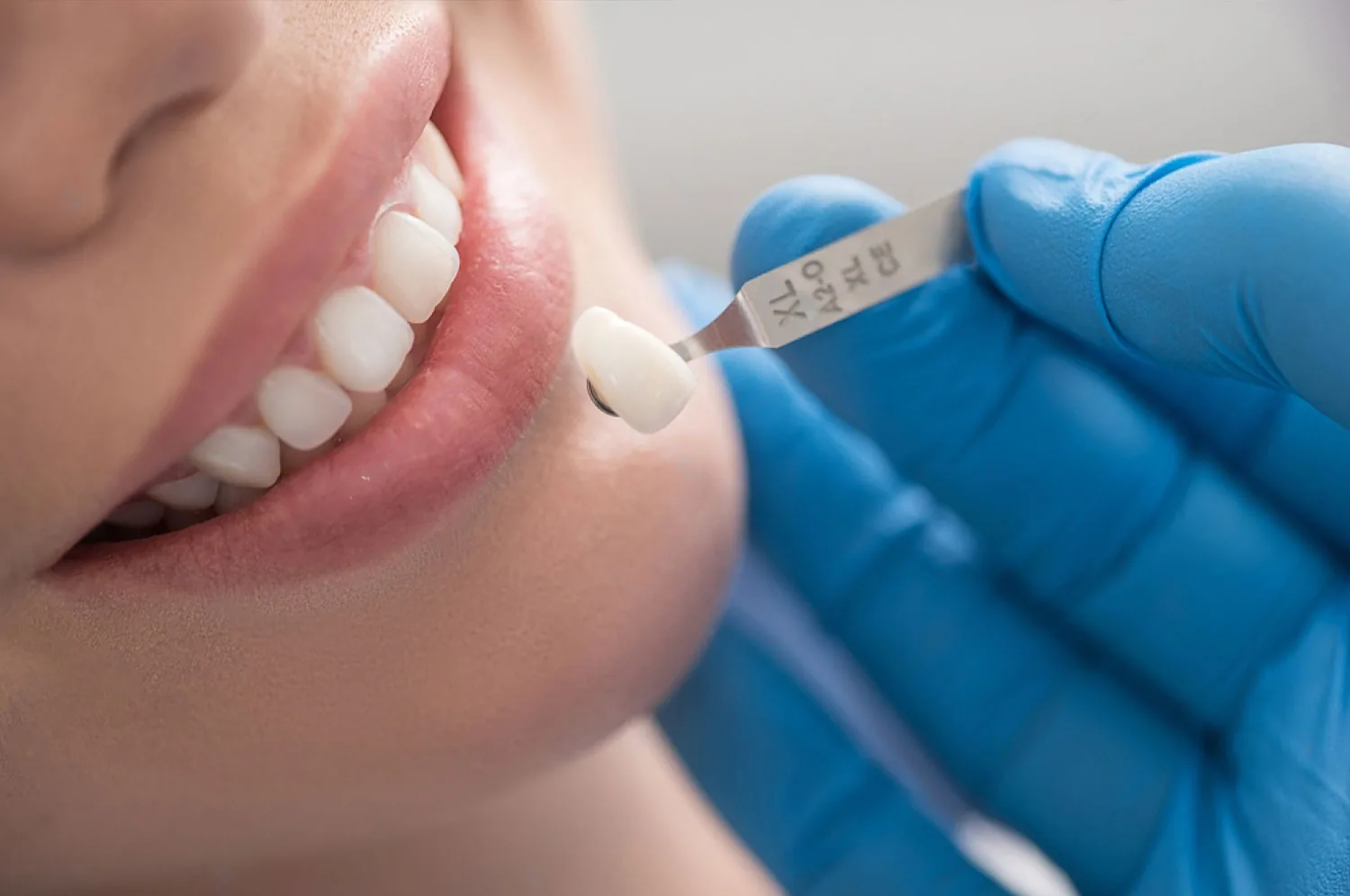
The Maya had gems; today we have porcelain. Modern cosmetic dentistry includes whitening, bonding, veneers and complete smile makeovers that look natural. And instead of a blacksmith, you have Dr. Steven Haywood, DDS, who has more than 35 years in practice and trained in cosmetic dentistry through the NYU Aesthetic Continuum.
Repair without the drama
When teeth need repair, our restorative dentistry covers fillings, crowns, bridges and implants. Our office is mercury-free and uses tooth-colored, BPA-free white fillings.
Come see modern dentistry for yourself
History is fun to read about, but we are glad to live in the present. If it is time for a checkup or you want to talk about your smile, call Southern York Smile Care at (717) 235-3871 or request an appointment at 4 S. Main St in Shrewsbury. We welcome patients from York, southern York County and northern Baltimore County, MD.
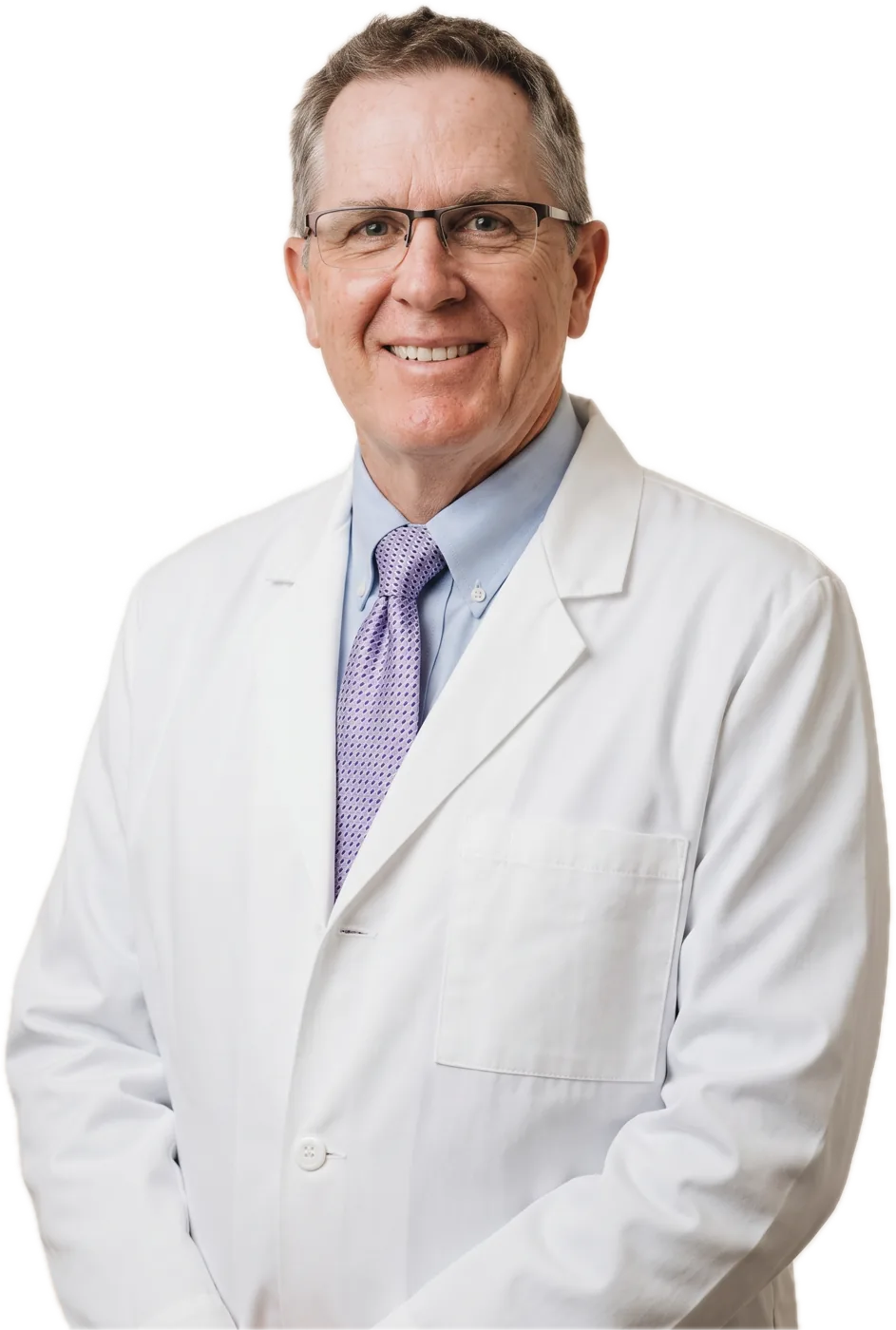
DDS cum laude 1987, US Air Force residency, NYU cosmetic training and Fellow of the International Congress of Oral Implantologists, with 35+ years in practice.
Meet Dr. Haywood → Bad Breath Treatment at Southern York Smile Care
 Coronation: Dental Crowns in Shrewsbury PA
 Are You Brushing Properly? Beautiful Smiles in Shrewsbury PA