
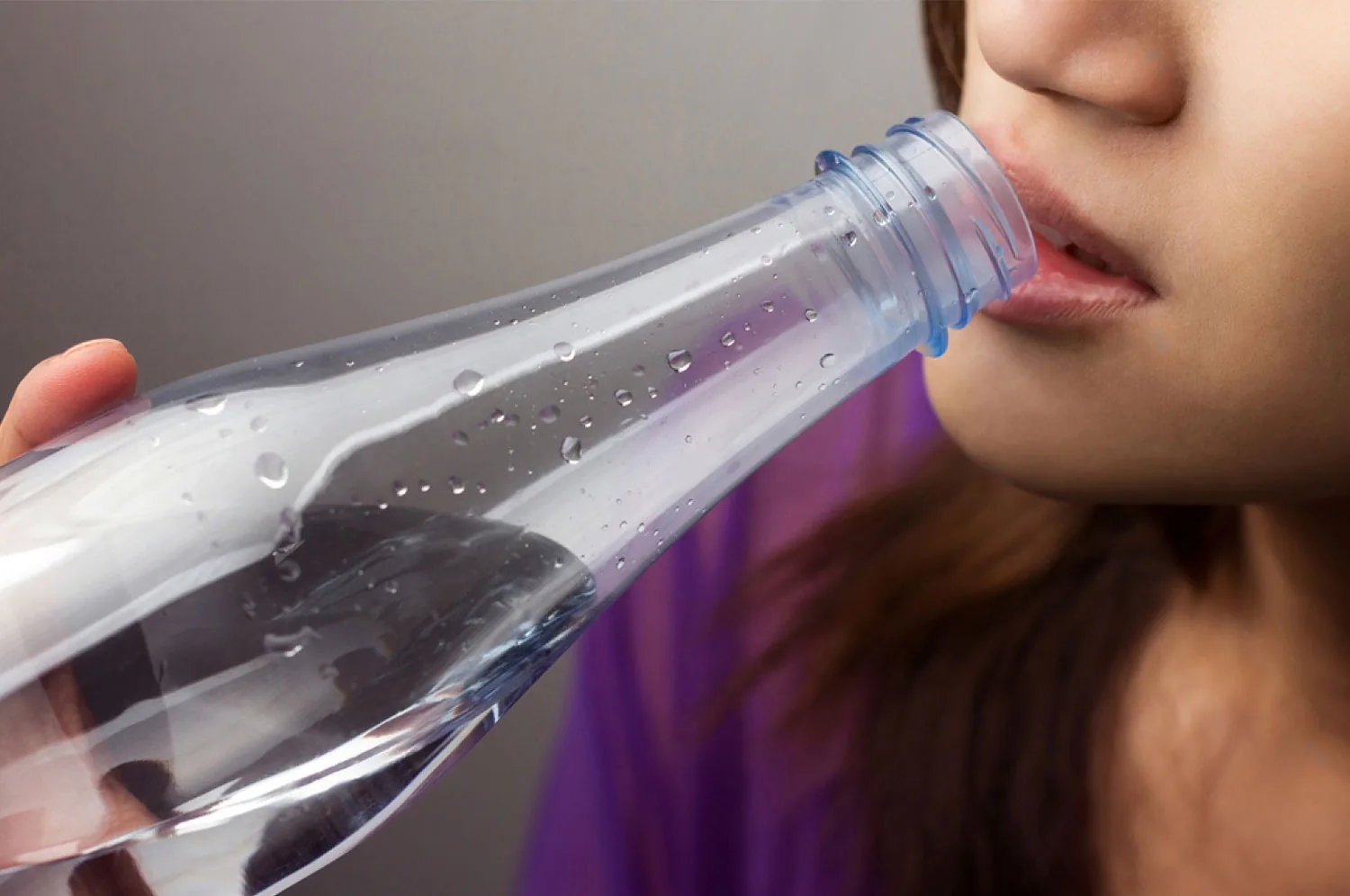
Why is dry mouth dangerous for Shrewsbury dental patients? Without saliva, teeth lose a key defense and decay spreads fast. At Southern York Smile Care in Shrewsbury, PA, we see dry mouth often, and the good news is that it can usually be managed. Here is what causes it, why it matters and what helps.
What is dry mouth?
Dry mouth, known medically as xerostomia, happens when your mouth does not make enough saliva. Most people have a dry mouth now and then, such as when they are nervous or thirsty. It becomes a problem when it lasts.
Dry mouth is more common in older adults, mostly because they tend to take more medications. But people of any age can have it, and it is worth taking seriously at any age.
Common symptoms
- A sticky, dry feeling in the mouth
- A dry, red or rough tongue
- Trouble chewing, swallowing or speaking
- A sore throat that keeps coming back, or hoarseness
- Cracked lips or sores at the corners of the mouth
- Bad breath
- A changed sense of taste
- Dentures that rub or will not stay in place
- Waking at night needing a drink of water
Why saliva matters so much
Saliva does far more than keep your mouth moist. It is one of your teeth's most important defenses. Saliva:
- Washes away food and bacteria from your teeth and gums
- Neutralizes acid made by plaque bacteria after you eat
- Carries minerals that help repair early damage to enamel
- Helps you taste, chew and swallow
- Protects soft tissues in your mouth from irritation and infection
What happens without it
Aside from being an uncomfortable nuisance, untreated dry mouth can damage your teeth. Without enough saliva, acid lingers on teeth longer and food stays put. Cavities can form quickly, often along the gumline and around the edges of old fillings and crowns. People with chronic dry mouth can develop widespread decay in a short time.
Dry mouth also raises the risk of gum disease, bad breath and mouth infections such as thrush, a yeast infection. Denture wearers may find their dentures loose and sore.
What causes dry mouth?
Medications
Sometimes dry mouth is caused by a disease or infection, but the most common cause is medication. Hundreds of prescription and over-the-counter drugs list dry mouth as a side effect. These include:
- Decongestants and antihistamines
- Blood pressure medications
- Antidepressants and anxiety medications
- Pain relievers
- Muscle relaxants
Many allergy-prone patients notice dry mouth when they start taking antihistamines during hay fever season. Taking several medications at once can make the effect stronger.
Health conditions
Diabetes, Sjögren's syndrome and some other conditions can reduce saliva. Radiation treatment to the head and neck can damage the glands that make saliva. Dehydration from illness, heat or exercise can also leave the mouth dry.
Habits
Breathing through your mouth, especially while sleeping, dries the mouth overnight. Snoring, tobacco, alcohol and lots of caffeine can all play a part.
What helps with dry mouth
Treatment starts with finding the cause. Please bring a list of every medication and supplement you take to your visit. Never stop or change a prescription on your own, but do ask your doctor whether a different medicine or dose might cause less dryness.
Everyday relief
- Sip water often through the day, and keep water by your bed.
- Chew sugar-free gum or suck sugar-free mints to help your mouth make saliva. Products sweetened with xylitol are a common choice.
- Use a humidifier in your bedroom at night.
- Cut back on caffeine, alcohol and tobacco.
- Choose alcohol-free mouth rinses, since alcohol can dry the mouth further.
- Try over-the-counter saliva substitutes or dry mouth gels.
- Avoid salty, spicy and very sugary foods if they bother you.
Extra protection for your teeth
Because dry mouth raises the risk of decay so much, your teeth may need extra help. Your dentist may suggest more frequent cleanings and checkups. To strengthen enamel, holistic patients can choose remineralization varnish, and fluoride is available for patients who want it. Careful brushing twice a day and daily flossing are more important than ever.
Tools like DIAGNOdent and digital X-rays help find decay early, while it is still small. Our office is mercury-free, and any cavities can be repaired with tooth-colored, BPA-free white fillings. Learn more on our preventive dentistry and white dental fillings pages.
Special cases: nighttime, dentures and implants
Dry mouth at night
Saliva flow naturally drops during sleep, so dry mouth often feels worst first thing in the morning. Mouth breathing and snoring make it worse. Keep water by your bed, run a humidifier and avoid alcohol close to bedtime. If you snore loudly or wake up tired, mention it to your doctor, since sleep problems and dry mouth often go together.
Dentures
Saliva helps a denture form a seal against your gums. Without it, dentures can slip and rub, causing sore spots. A saliva substitute or denture-friendly gel can help. If your dentures never feel secure, ask about snap-on implant teeth, which do not rely on suction.
Implants, crowns and fillings
Dental work does not decay, but the natural tooth around a crown or filling still can. Gums around implants also need a clean, healthy mouth. With dry mouth, careful home care and regular cleanings help protect every restoration you have.
When to see your dentist
Make an appointment if your mouth feels dry most of the time, if you notice new cavities, or if your gums are sore or bleeding. Also call if you see white patches or sores that do not heal within two weeks. Your dentist will check for decay, gum problems and infection, and screen the soft tissues of your mouth. Oral cancer screening at our office uses ViziLite, a blue dye rinse and OralCDX when a closer look is needed. See our oral cancer screening page.
Dry mouth often comes up alongside other problems worth discussing. Our article 4 Oral Ailments to Discuss with Your Dentist covers dry mouth, bad breath, jaw pain and grinding. If bad breath is a concern, read bad breath treatment.
Dr. Steven W. Haywood, DDS, has 35+ years in practice. Cleanings at Southern York Smile Care are a full 60 minutes, so there is time to talk through your symptoms. You can learn more about Dr. Haywood on the meet the doctor page.
Get help for dry mouth in Shrewsbury
If you are not sure what is causing your dry mouth, or you are looking for relief, call Southern York Smile Care at (717) 235-3871 or request an appointment with Dr. Haywood. We are at 4 S. Main St in Shrewsbury, PA, and welcome patients from York, southern York County and northern Baltimore County, MD.

DDS cum laude 1987, US Air Force residency, NYU cosmetic training and Fellow of the International Congress of Oral Implantologists, with 35+ years in practice.
Meet Dr. Haywood →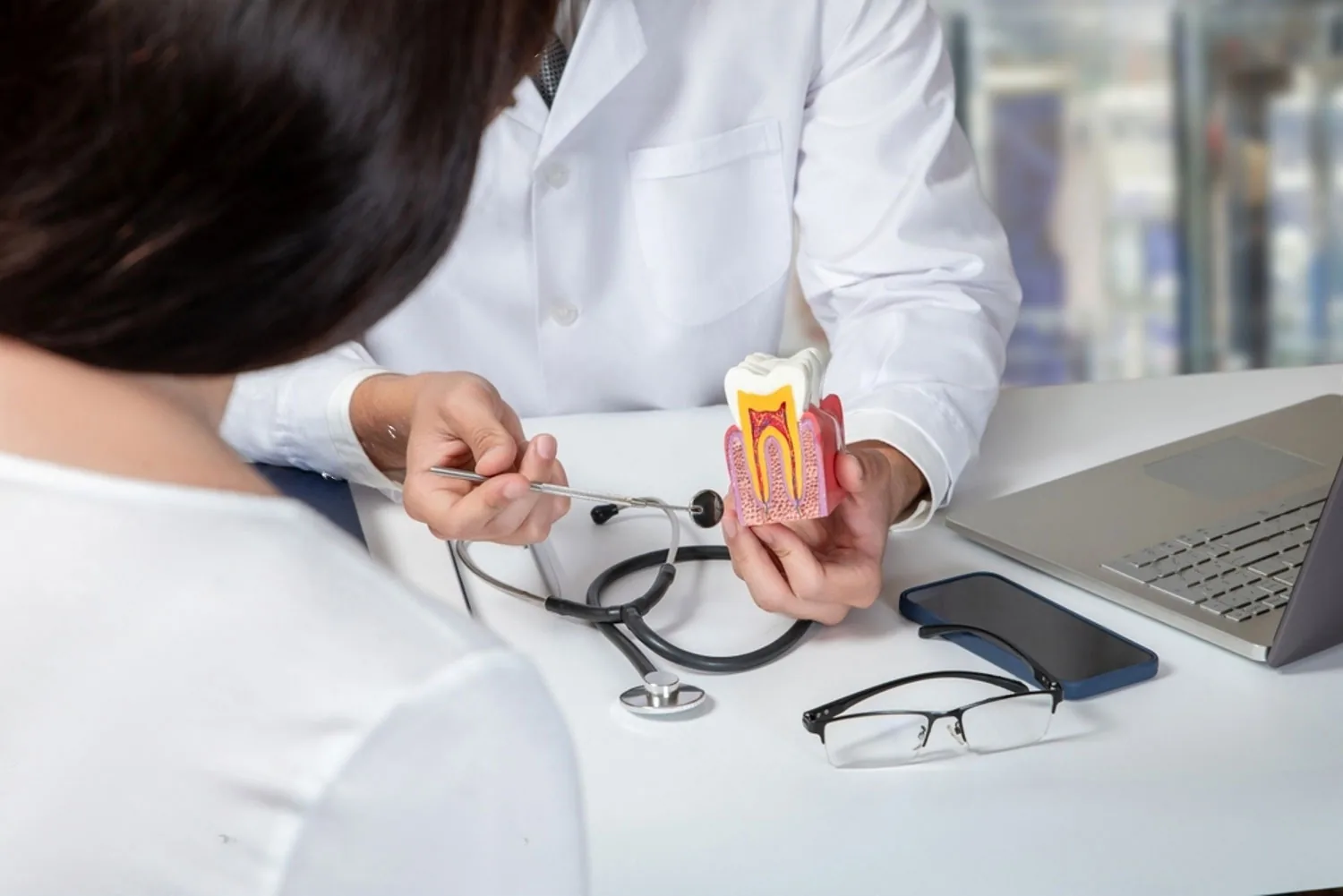 Dr. Steven W. Haywood: Calming Root Canal Fears
 Less Is More in Dentistry
 Been a While Since You’ve Visited a Dentist?