

Four oral ailments to discuss with your dentist are bad breath, dry mouth, jaw problems and teeth grinding, and all four can be treated. Most people visit the dentist for cleanings and toothaches. But these quieter problems are just as worth raising at Southern York Smile Care in Shrewsbury, PA.
Why these problems often go unmentioned
None of these four is an emergency, and that is exactly why they get skipped. Bad breath feels embarrassing. Dry mouth seems like a minor nuisance. A clicking jaw or a little morning soreness is easy to ignore. Yet each one can be a sign of something that is easier to fix early.
Your dentist is the right person to ask. There is nothing too small or too awkward to bring up, and the answer is often simpler than you expect.
These four problems are also linked more often than people realize. Dry mouth lets bacteria grow, which can lead to bad breath. Grinding at night strains the jaw joints, which can lead to jaw pain and headaches. Treating one problem often eases another, which is one more reason to mention everything you notice, even if it seems unrelated.
1. Bad breath
Nobody likes to admit to bad breath, but it is common and it can be treated. Most of the time, it comes from bacteria building up in the mouth, especially on the back of the tongue, between teeth and along the gumline.
What bad breath can point to
- Plaque and food left between teeth
- Gum disease, where bacteria collect in pockets around the teeth
- Tooth decay or an old filling that is leaking
- Dry mouth, since saliva helps wash bacteria away
- Less often, sinus, stomach or other health conditions
What helps
A thorough cleaning, better flossing, brushing or scraping the tongue and treating any gum disease clear up most cases. If the cause is a cavity or a failing filling, fixing the tooth fixes the smell. Chewing sugar-free gum, drinking water and replacing your toothbrush every three months help too. Breath mints and strong mouthwash only cover the smell for a short while, so they are not a fix on their own. Our article on bad breath treatment goes into more detail. Your friends and family will thank you.
2. Dry mouth
Dry mouth, also called xerostomia, is a shortage of saliva. It is uncomfortable, and it does more than make your mouth feel sticky. Saliva rinses away food, neutralizes acid and helps protect your enamel. Without enough of it, the risk of tooth decay and gum disease goes up.
Common causes
Prescription medications are a frequent cause. Many drugs for blood pressure, allergies, depression and pain list dry mouth as a side effect. Some chronic health conditions can also reduce saliva. Please bring a list of your current medications to every appointment so your dentist can spot a possible link.
What helps
Sipping water through the day, chewing sugar-free gum, using a humidifier at night and cutting back on caffeine and alcohol can all help. Your dentist may also suggest extra protection for your enamel. Read more in why dry mouth is dangerous.
3. Jaw pain and clicking
If your jaw aches, clicks, pops or feels stiff when you open wide, mention it at your next visit or call sooner if it is getting worse. These can be signs of temporomandibular disorder, often called TMD or TMJ disorder. The temporomandibular joints connect your lower jaw to your skull, just in front of your ears.
Signs to watch for
- Pain in the jaw, face, ear area or temples
- Clicking or popping when you chew or yawn
- A jaw that locks or will not open fully
- Headaches, especially in the morning
- A bite that suddenly feels different
What helps
Treatment depends on the cause. It may include a custom oral appliance, changes to your bite, relaxation habits and avoiding hard or chewy foods for a while. Some habits make jaw pain worse. Chewing gum all day, biting your nails, resting your chin on your hand and clenching when you concentrate all strain the joint. Noticing these habits is the first step to easing them. Our TMJ and TMD treatment page explains the options.
4. Teeth grinding
Grinding and clenching, called bruxism, often happen during sleep, so many people do not know they do it. A partner may hear it at night. Or you may notice a sore jaw, a dull headache or teeth that feel tender when you wake up.
Stress is a common trigger, but it is not the only one. An uneven bite and missing or crooked teeth can also play a part. Over time, grinding wears down enamel, chips edges and can crack teeth or fillings.
Daytime clenching
Some people clench during the day too, often while driving, working at a computer or lifting weights. Try to notice when your teeth are touching. At rest, your lips should be closed but your teeth slightly apart, with your tongue resting gently behind your upper front teeth.
What helps
Cutting back on caffeine and alcohol, especially in the evening, may help reduce grinding. A simple custom night guard protects your teeth while you sleep. You can learn more on our night guards and bite guards page and in our article Do You Grind Your Teeth While You Sleep? If grinding has already caused damage, restorative dentistry such as white fillings, bonding or crowns can repair it.
If grinding is linked to stress, simple steps like a short walk, stretching your jaw and shoulders, or winding down without screens before bed can also help. A night guard protects your teeth while you work on the cause.
How to bring these up at your visit
A little preparation makes the conversation easy:
- Write down your symptoms and when they happen, such as morning headaches or a dry mouth at night.
- Bring your medication list, including vitamins and supplements.
- Ask a partner or family member whether they have noticed grinding or snoring.
- Mention any changes in how your teeth fit together or how your breath smells.
Your cleaning at our office is a full 60 minutes, so there is time to talk. Dr. Steven Haywood, DDS, has 35+ years in practice and will explain what is going on and what can be done. See our preventive dentistry page for more on regular care.
Schedule a visit in Shrewsbury
If any of these four oral ailments sounds familiar, do not wait for it to get worse. Call Southern York Smile Care at (717) 235-3871 or request an appointment. We are at 4 S. Main St in Shrewsbury, PA, and welcome patients from York, southern York County and northern Baltimore County, MD.

DDS cum laude 1987, US Air Force residency, NYU cosmetic training and Fellow of the International Congress of Oral Implantologists, with 35+ years in practice.
Meet Dr. Haywood →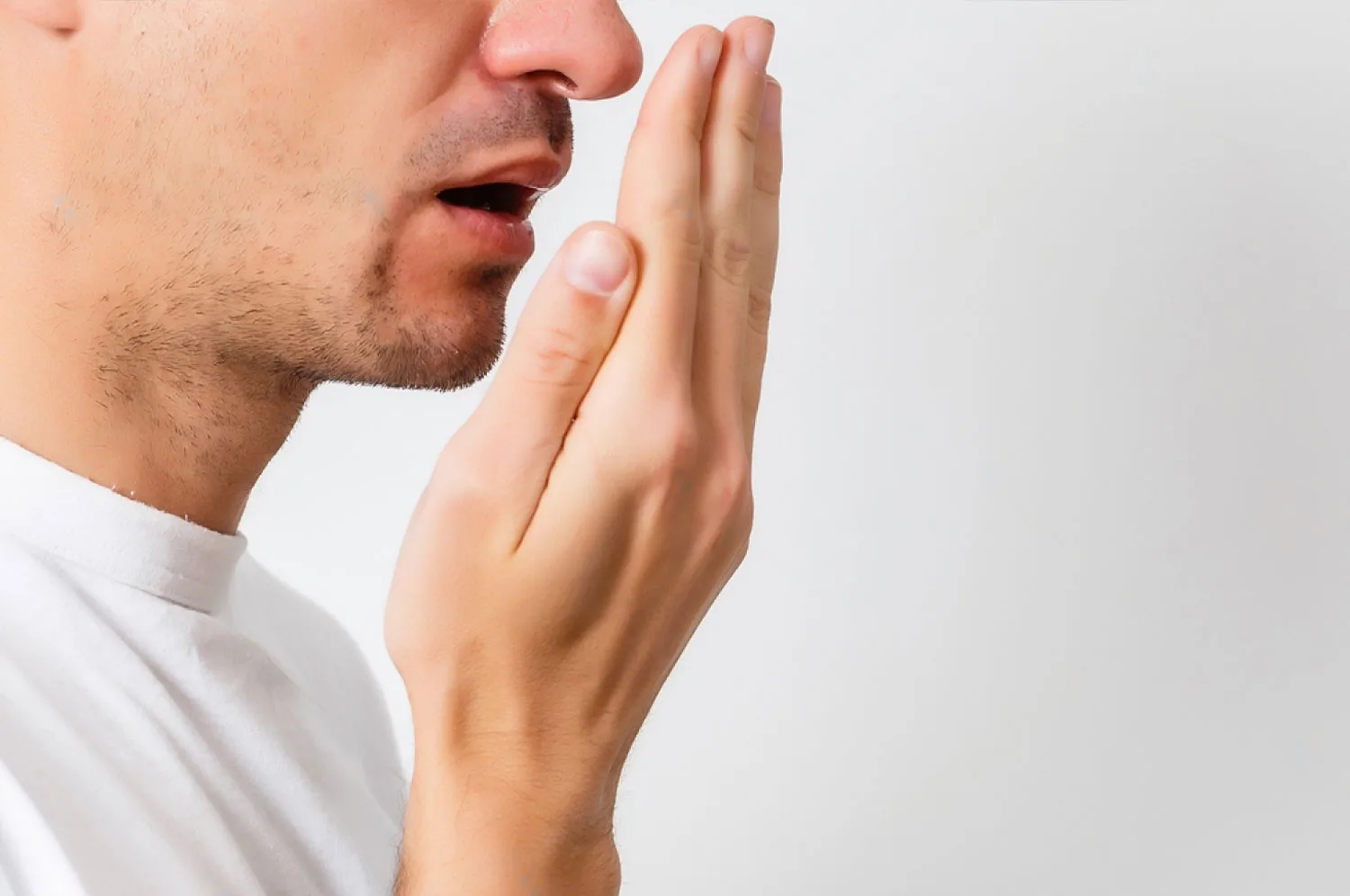 Bad Breath Treatment at Southern York Smile Care
 Best Practices for a Healthy, Beautiful Smile
 Coronation: Dental Crowns in Shrewsbury PA