
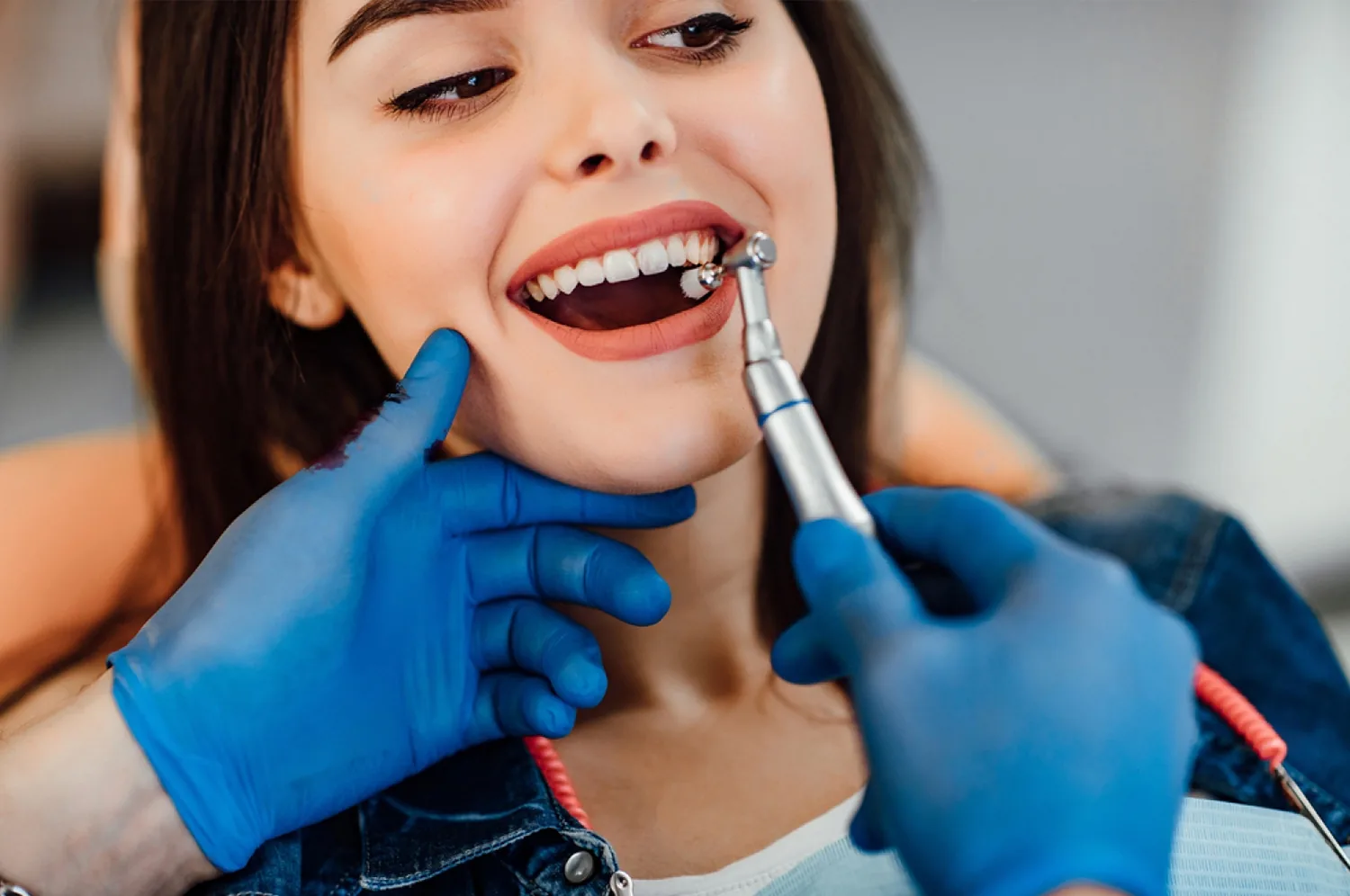
Restoring teeth at Southern York Smile Care can mean a small white filling, a crown, a bridge or an implant. Here is how each one works. This plain guide from Shrewsbury, PA explains which repair fits which problem, so you know what to expect when a tooth needs help.
Teeth are strong, but they are not indestructible. Decay, cracks, grinding, old fillings and accidents all take a toll over time. The good news is that dentistry has many ways to bring a damaged tooth back to health, and most of them can look completely natural. The right choice depends mainly on how much healthy tooth is left.
Direct restorations: fillings done in one visit
Everyone has heard of fillings. Dentists call traditional fillings direct restorations, because the material is placed straight into the prepared tooth, then shaped and polished in a single visit.
Southern York Smile Care is a mercury-free office and does not place silver amalgam fillings. Instead, cavities are repaired with tooth-colored white fillings that are BPA-free. White fillings bond to the tooth, which can mean removing less healthy tooth structure, and they blend in so well that most people cannot tell they are there.
Finding decay early
The smaller the cavity, the simpler the repair. Southern York Smile Care uses digital X-rays, with up to 90 percent less radiation exposure, and DIAGNOdent, which uses laser light to help find hidden decay early. For some small cavities, air abrasion can remove decay without a traditional drill. Read more in The Dream of No Drill.
Indirect restorations: inlays and onlays
Sometimes a cavity or old filling is too large for a regular filling, but the tooth still has plenty of healthy structure. That is where indirect restorations come in. They are called indirect because they are made outside the mouth, in a dental lab, and then bonded to the tooth.
- Inlays fit inside the cusps, the raised points on the chewing surface of a back tooth.
- Onlays cover one or more cusps, protecting a larger part of the tooth.
Inlays and onlays usually take two visits. At the first, the tooth is prepared and a digital scan is taken with the iTero Element 3D scanner, which replaces most messy impressions. A temporary protects the tooth while the lab makes the final piece. At the second visit, the inlay or onlay is bonded in place. They are strong, long-lasting and keep more natural tooth than a full crown.
Crowns for teeth that need more support
When a tooth is badly broken, heavily filled, cracked or weakened after a root canal, a crown is often the best way to protect it. A crown is a cap that covers the whole visible part of the tooth, holding it together and restoring its shape.
Crowns can be made from several materials. Southern York Smile Care offers all-porcelain crowns, which look natural and avoid the dark metal line at the gum that older crowns can show. Read more about when a crown is the right choice in Crown or Veneer?
When the nerve is involved
If decay or a crack reaches the nerve inside the tooth, you may feel lingering sensitivity, throbbing pain or swelling. A root canal removes the inflamed or infected pulp, cleans and seals the inside of the tooth, and lets you keep the tooth instead of losing it. Most teeth that have had a root canal then need a crown for strength. If you are worried about the procedure, see Calming Root Canal Fears.
How long do restorations last?
No restoration lasts forever, but good ones last many years. How long depends on the material, the size of the repair, your bite and your home care. Grinding and chewing ice or hard candy shorten the life of any restoration. Regular checkups let Dr. Haywood spot a worn edge or a small leak around an old filling before it turns into a bigger problem.
When a tooth cannot be saved
Sometimes a tooth is damaged beyond repair, perhaps cracked below the gumline or too decayed to support a crown. In that case, extraction may be the best option. Dentures are not the only replacement. Today there are several good functional ways to replace missing teeth.
Dental implants
A dental implant replaces the root as well as the tooth. A titanium post is placed in the jawbone, the bone bonds to it over several months, and a custom crown is attached. Implants stand on their own without relying on neighboring teeth, and they help protect the jawbone from shrinking. Dr. Steven Haywood is a Fellow of the International Congress of Oral Implantologists and plans implants with Green CT 3D cone beam imaging.
Bridges
A dental bridge fills a gap by attaching a false tooth to crowns on the teeth on either side. An implant bridge uses implants instead of natural teeth for support. For help deciding, read Dental Bridge vs. Dental Implant.
Dentures and implant-supported teeth
For patients missing many or all teeth, dentures remain an option. Many people prefer the stability of snap-on implant teeth or All-on-4 dental implants, which anchor a full arch of teeth to a few implants so it does not slip.
How Dr. Haywood chooses the right restoration
The goal is always to keep as much of your natural tooth as possible while giving you a repair that lasts. Dr. Haywood looks at:
- how much healthy tooth remains
- where the tooth sits and how much chewing force it takes
- whether you clench or grind
- how the repair will look next to your other teeth
- your health, your goals and your budget
An intraoral camera lets you see your own tooth on a screen, so you understand exactly why a repair is suggested. With more than 35 years in practice, a DDS cum laude from the University of Detroit and a US Air Force advanced residency, Dr. Haywood will explain each option plainly. Learn more on our restorative dentistry page.
Comfort, cost and care
Most restorations are done with simple local anesthetic. If you feel anxious, sedation dentistry with oral sedation is available. Southern York Smile Care is out of network with all insurers: you pay at the visit and the office files your claim. Payment plans are available through CareCredit and Cherry, and Kelley Fisher, the Patient Care and Treatment Coordinator, can answer insurance and financing questions.
Once your tooth is restored, protect it with good daily brushing and flossing, a bite guard if you grind, and regular 60-minute cleanings.
Your next step
If a tooth is sore, chipped or has an old filling you are worried about, it is easier to fix sooner than later. Call Southern York Smile Care at (717) 235-3871 or request an appointment at 4 S. Main St in Shrewsbury. The practice serves patients from York, southern York County and northern Baltimore County, MD.

DDS cum laude 1987, US Air Force residency, NYU cosmetic training and Fellow of the International Congress of Oral Implantologists, with 35+ years in practice.
Meet Dr. Haywood → Are You Brushing Properly? Beautiful Smiles in Shrewsbury PA
 Mouthwash Facts and Dental Health in Shrewsbury PA
 Quirky Dental Facts That May Surprise You