
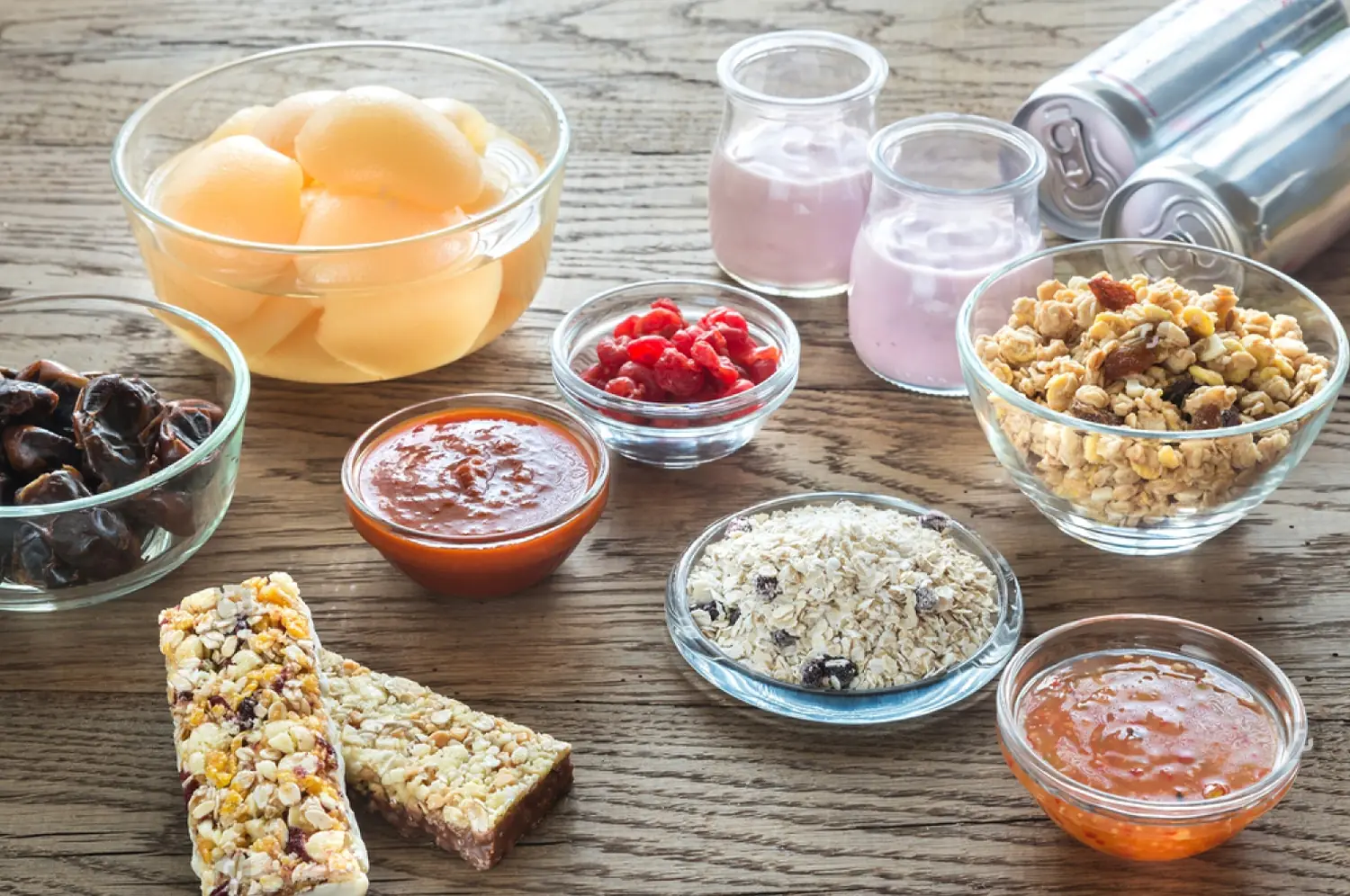
Beware of hidden sugar: it turns up in ketchup, bread, yogurt, granola and many other foods that do not taste sweet at all. Learning to spot it protects your teeth. Here is where it hides and how to read a label.
Most people trying to cut back on sugar skip the obvious things first: candy, soda, cookies and cake. That is a great start. But a lot of the sugar in a typical diet comes from foods that seem healthy or savory. At Southern York Smile Care in Shrewsbury, PA, we talk with patients about sugar because it is one of the main fuels for tooth decay.
Why sugar matters for your teeth
Sugar does not damage teeth directly. The bacteria in dental plaque do. When you eat or drink something with sugar, those bacteria feed on it and give off acid. That acid pulls minerals out of your enamel. Saliva slowly neutralizes the acid and helps put minerals back, but this takes time.
Every time you have sugar, the acid attack starts again. If you snack or sip all day, your teeth rarely get a break, and enamel loses more minerals than it can regain. Over time, a soft spot becomes a cavity. Our article on plaque, calculus and cavities explains this process step by step.
That is why how often you have sugar matters as much as how much. A dessert with dinner is easier on your teeth than the same amount of sugar spread out over an afternoon of sipping.
Where sugar hides
These everyday foods often contain more sugar than people expect:
- Ketchup, barbecue sauce and other condiments. A few squirts can add up quickly.
- Pasta and pizza sauce. Many jarred sauces add sugar to balance the acidity of tomatoes.
- Salad dressings. Especially fat-free versions, which often replace fat with sugar for flavor.
- Bread, buns and rolls. Many store-bought breads contain added sweeteners.
- Granola and cereal. Even ones sold as natural or healthy can be heavily sweetened.
- Protein bars and snack bars. Many are closer to candy bars than people realize.
- Flavored yogurt. Fruit-on-the-bottom and flavored varieties can carry a lot of added sugar.
- Peanut butter. Some brands add sugar along with oil and salt.
- Canned soups and ready meals. Sugar is used to round out flavor.
- Fast food. Buns, sauces, dressings and even fries can contain sugar, before you count the shake or dessert.
- Smoothies and juices. Even 100% juice is high in natural sugar, and blending fruit releases sugars that bathe the teeth.
- Coffee drinks and sweet tea. Flavored syrups and sweetened creamers add up fast, especially when sipped slowly.
- Cough drops, throat lozenges and some antacids. They dissolve slowly, keeping sugar in contact with your teeth for a long time.
Sticky and slow is the worst combination
Foods that cling to teeth, such as dried fruit, crackers, chips and chewy bars, feed plaque for longer than foods that wash away. Anything you hold in your mouth, like a lozenge or hard candy, does the same. If you enjoy these foods, have them with a meal rather than on their own, and rinse with water afterward.
How to read a food label
The Nutrition Facts label is your best tool. Look for two lines: Total Sugars and Added Sugars. Total Sugars includes sugar that is naturally in foods like milk and fruit. Added Sugars shows what the manufacturer put in.
Here is a handy conversion: four grams of sugar equals about one teaspoon. Divide the grams of sugar by four to picture how many teaspoons are in a serving. A snack with 16 grams of sugar has about four teaspoons. Check the serving size too, since many packages contain more than one serving.
Other names for sugar
Sugar goes by many names in an ingredient list. Watch for:
- Anything ending in "-ose," such as sucrose, glucose, fructose, dextrose and maltose
- Corn syrup, high-fructose corn syrup and rice syrup
- Honey, maple syrup, agave and molasses
- Cane sugar, cane juice, brown sugar and coconut sugar
- Fruit juice concentrate
Ingredients are listed from most to least by weight. If one or more forms of sugar appear near the top, the product is likely high in sugar. Natural sweeteners like honey and maple syrup still feed plaque bacteria the same way table sugar does.
Hidden sugar in children's food
Children's foods are some of the worst offenders. Fruit snacks, juice boxes, flavored milk, cereal bars and squeeze pouches are often marketed as wholesome, yet many are high in sugar and stick to small teeth. Sippy cups and bottles filled with juice or milk at naptime or bedtime let sugar sit on teeth for hours, which is a common cause of early decay.
A few habits help a lot: offer water between meals, save juice for mealtimes if you serve it at all, and check labels on anything sold as a "kids' snack." Brush your child's teeth twice a day and start dental visits early. Our children's dentistry page explains what those first visits look like.
Simple swaps that help your smile
- Choose plain yogurt and add fresh fruit yourself.
- Drink water between meals instead of juice, soda or sweet tea.
- Pick whole fruit over juice or smoothies.
- Make a quick oil-and-vinegar dressing in place of bottled dressing.
- Snack on cheese, nuts, plain popcorn or crunchy vegetables.
- Chew sugar-free gum after meals to boost saliva. Gum sweetened with xylitol is a good choice.
- Keep sweets to mealtimes instead of grazing.
For more on how food affects your mouth, read does my dentist care about my diet?
Protecting your teeth from sugar damage
You do not have to give up every treat. Pair a smart diet with good habits and regular care:
- Brush twice a day for two minutes and clean between your teeth once a day.
- Wait about 30 minutes after acidic foods or drinks before brushing, so you are not scrubbing softened enamel.
- Keep your regular visits. At Southern York Smile Care, every cleaning is a full 60 minutes. Learn more about our preventive dentistry.
- Ask about extra enamel protection. Fluoride is available for patients who want it, and remineralization varnish is offered for holistic patients.
If a cavity does form, catching it early keeps the repair small. Southern York Smile Care is a mercury-free office and uses tooth-colored, BPA-free white fillings. Technology such as DIAGNOdent laser cavity detection and digital X-rays helps find decay in its early stages.
Talk with us about your diet and your teeth
Dr. Steven Haywood, DDS, and the team are glad to look at your habits and suggest small changes that make a real difference. Southern York Smile Care is at 4 S. Main St in Shrewsbury, PA, and serves York, southern York County and northern Baltimore County, MD. Call (717) 235-3871 or request an appointment.

DDS cum laude 1987, US Air Force residency, NYU cosmetic training and Fellow of the International Congress of Oral Implantologists, with 35+ years in practice.
Meet Dr. Haywood → 4 Oral Ailments to Discuss with your Dentist
 Bad Breath Treatment at Southern York Smile Care
 10 Terrific Tooth Tips From Southern York Smile Care