

Does my dentist care about my diet? Yes, because what you eat and drink shapes the health of your teeth, your gums and your smile. Sugar is only part of the story. Here is what your dentist looks for and which foods help your smile.
When people think about diet and teeth, they usually picture soda and candy. Those matter, but they are only one piece. A diet that is high in calories and low in nutrients can leave the tissues in your mouth less able to resist infection, and that can open the door to gum disease. At Southern York Smile Care in Shrewsbury, PA, Dr. Steven Haywood, DDS, looks at the whole picture, including what is on your plate.
How diet affects your mouth
Food touches your mouth before it touches anything else in your body, so your teeth and gums feel the effects first. Diet affects oral health in three main ways.
Sugar and starch feed decay
Bacteria in plaque feed on sugars and refined starches and give off acid. That acid weakens enamel and, over time, causes cavities. How often you eat sugar matters as much as how much, because each snack or sip starts a new acid attack. Our article on hidden sugar shows where sugar turns up in foods you might not expect.
Acid wears enamel
Soda, sports drinks, energy drinks, citrus juices and even sparkling water with added flavors can soften the enamel surface directly. This is called erosion. Unlike a cavity, it does not need bacteria. Over years, it can leave teeth thin, sensitive, yellow-looking and prone to chipping. If you enjoy these drinks, have them with a meal rather than sipping all day, use a straw, and rinse with plain water afterward.
Nutrients keep tissues strong
Your gums, the bone that holds your teeth and the enamel itself all depend on good nutrition. When your body is short on key nutrients, gums can become more prone to inflammation and slower to heal.
Nutrients that matter for your smile
- Calcium. Helps keep teeth and the jawbone strong. Found in dairy, fortified plant milks, leafy greens, almonds and canned fish with soft bones.
- Vitamin D. Helps your body absorb calcium. Sunlight, fatty fish, eggs and fortified foods are sources. Our article are you getting your dose of D? explains more.
- Phosphorus. Works with calcium to build enamel. Found in meat, fish, eggs, dairy, beans and nuts.
- Vitamin C. Important for healthy gums and healing. Citrus, berries, peppers, broccoli and tomatoes are good sources.
- Vitamin A. Supports the soft tissues and saliva flow. Found in orange vegetables, leafy greens and eggs.
- Fiber. Crunchy fruits and vegetables increase chewing and saliva, which helps rinse the teeth.
- Water. Keeps saliva flowing. Saliva is your mouth's natural defense against acid and bacteria.
What a balanced plate looks like
The U.S. Department of Agriculture's MyPlate guide offers a simple picture of a healthy meal. About half the plate is fruits and vegetables. The other half is split between lean protein and grains, with whole grains preferred, plus a serving of dairy or a fortified alternative.
For your teeth, a few extra tips help:
- Choose whole fruit over juice and whole grains over refined crackers and white bread. See are all carbs created equal?
- End a meal with cheese or a glass of milk, which can help balance acid in the mouth.
- Drink water with and between meals.
- Keep sweets and acidic drinks to mealtimes instead of sipping or snacking all day.
- Wait about 30 minutes after acidic food or drink before brushing, so you do not scrub softened enamel.
Nutritional needs change through life. Children, pregnant women, older adults and people with certain health conditions or medications may need extra attention. If you have questions about your overall diet, your physician or a registered dietitian is the right person to ask, and your dentist can tell you how it is showing up in your mouth.
Smart snacking
Snacks are where many diets go wrong for teeth, mostly because of timing. A handful of crackers or a sweet coffee drink sipped over an hour keeps acid levels up the whole time. You do not have to stop snacking. Just choose snacks that are kind to your teeth and finish them in one sitting.
- Cheese, plain yogurt or a hard-boiled egg
- Raw vegetables such as carrots, celery, cucumber and peppers
- Apples and pears, which need plenty of chewing
- A small handful of nuts or seeds
- Plain popcorn, if you are careful with the hard kernels
- Hummus with vegetables
Sticky snacks like dried fruit, gummy fruit snacks and granola bars cling to teeth and feed plaque for longer. If you enjoy them, have them with a meal and drink water afterward.
What your dentist can see
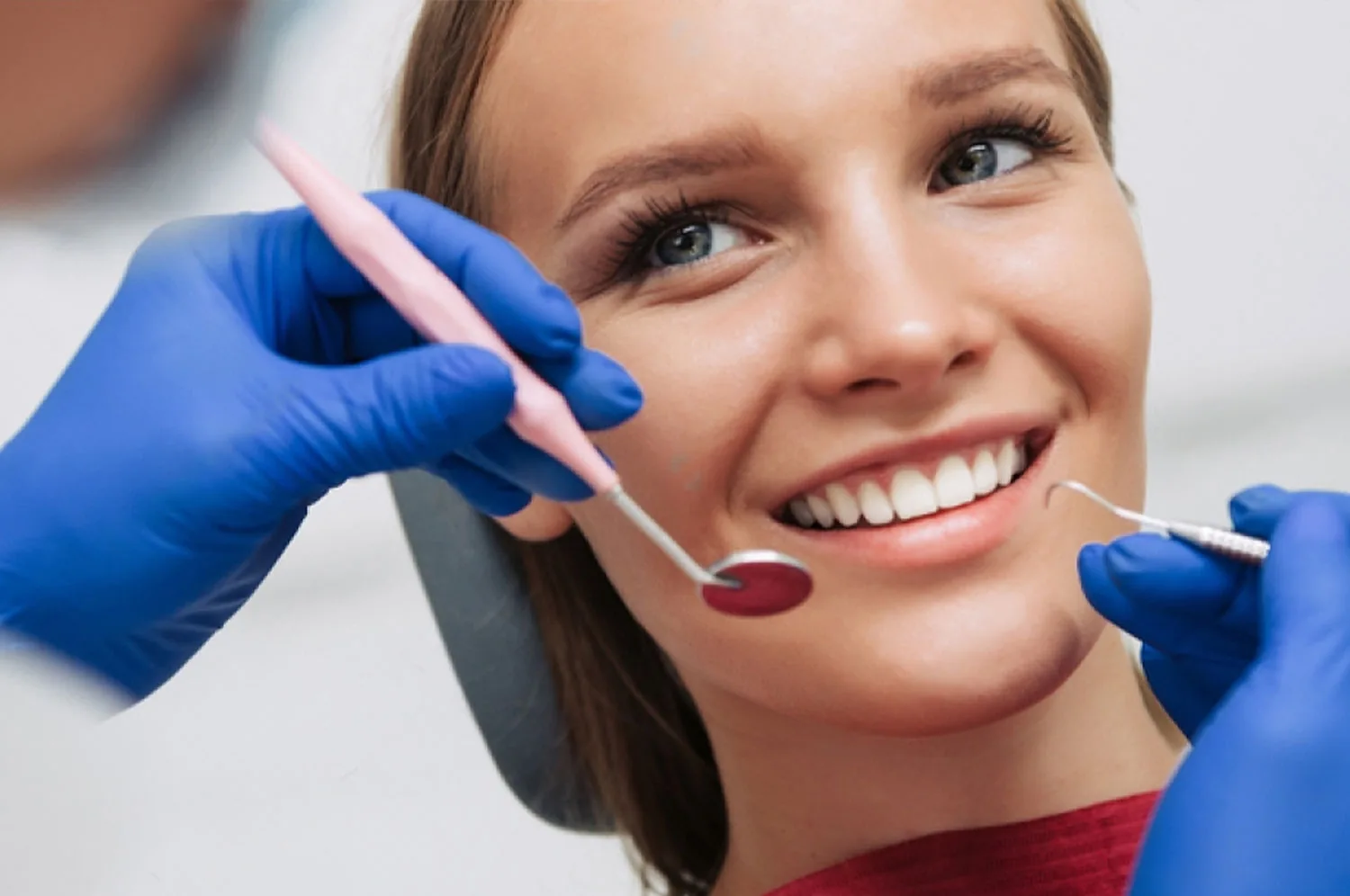
Your mouth often shows the effects of diet before you notice them. During an exam, Dr. Haywood may spot:
- Early soft spots in enamel, often along the gumline or between teeth.
- Smooth, shiny or cupped areas that point to acid erosion.
- Red, puffy or bleeding gums that can signal gum inflammation.
- Dry mouth, which raises the risk of decay. Some medications cause it.
- Cracks or chips from chewing ice or hard candy.
Technology helps with early detection. DIAGNOdent laser cavity detection, digital X-rays with up to 90% less radiation and an intraoral camera that shows you what the dentist sees all make it easier to catch problems while they are small. Every cleaning at Southern York Smile Care is a full 60 minutes, which leaves time to talk about habits as well as clean your teeth. Learn more on our preventive dentistry page.
A whole-body approach
Some patients prefer an approach that looks at the connection between the mouth and the rest of the body. Southern York Smile Care is a mercury-free office and offers holistic dentistry, including remineralization varnish for holistic patients, with fluoride available for patients who want it.
Diet, confidence and your smile
When you eat well and feel your best, you often want to look your best too. If years of coffee, tea or acidic drinks have dulled or worn your teeth, there are good ways to bring back a bright, even smile. Options include professional teeth whitening, tooth-colored bonding, veneers and a complete smile makeover. For some patients, a same-day smile is another path to discuss.
Talk with us about your diet and your teeth
Bring your questions about food, drinks and snacking to your next visit. Southern York Smile Care is at 4 S. Main St in Shrewsbury, PA, and serves York, southern York County and northern Baltimore County, MD. Call (717) 235-3871 or request an appointment with Dr. Haywood.

DDS cum laude 1987, US Air Force residency, NYU cosmetic training and Fellow of the International Congress of Oral Implantologists, with 35+ years in practice.
Meet Dr. Haywood →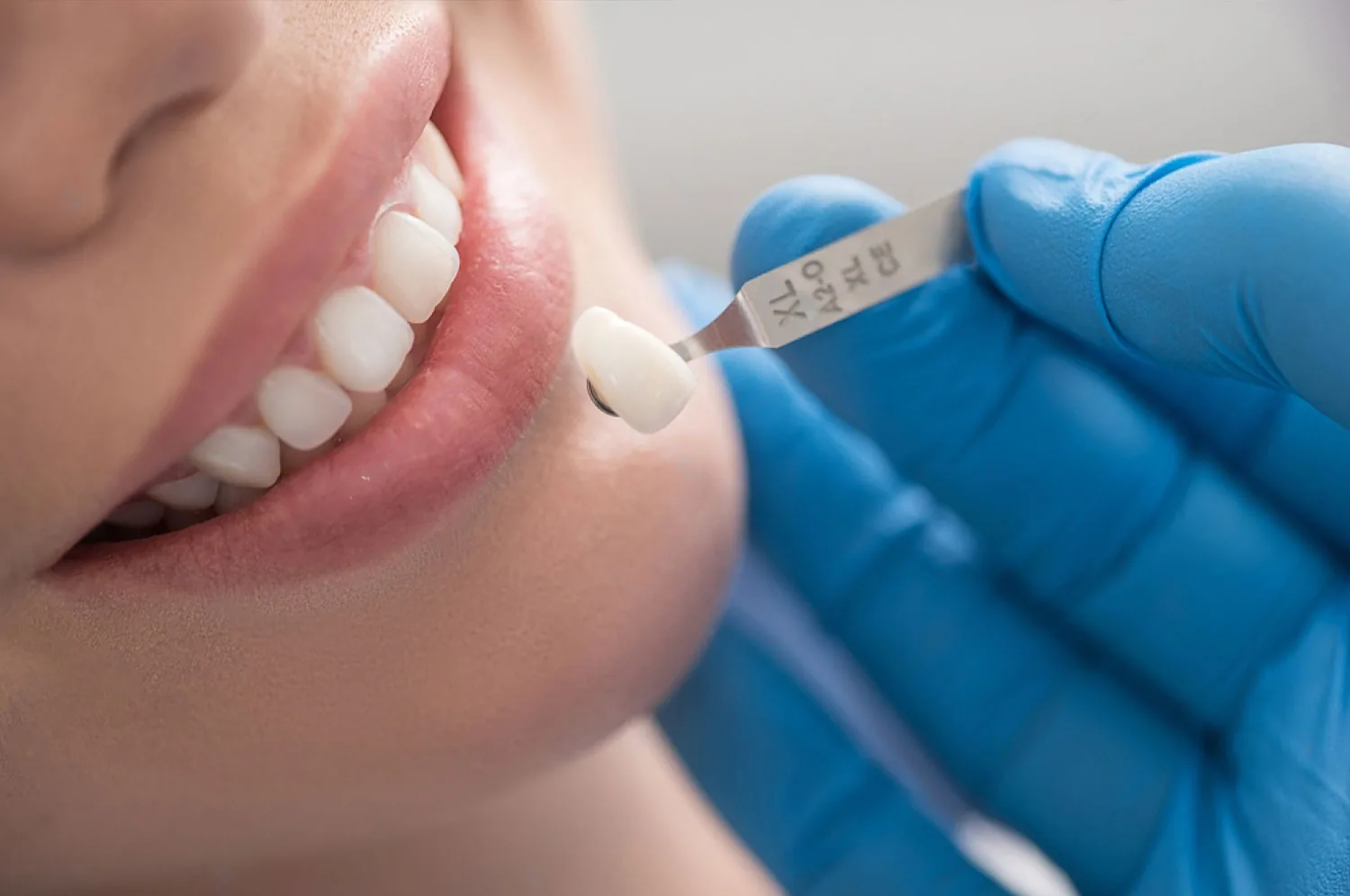 Coronation: Dental Crowns in Shrewsbury PA
 Comfort and Style with General Dentistry in Shrewsbury PA
 Three Reasons for Checkups: Dental Health in Shrewsbury PA