
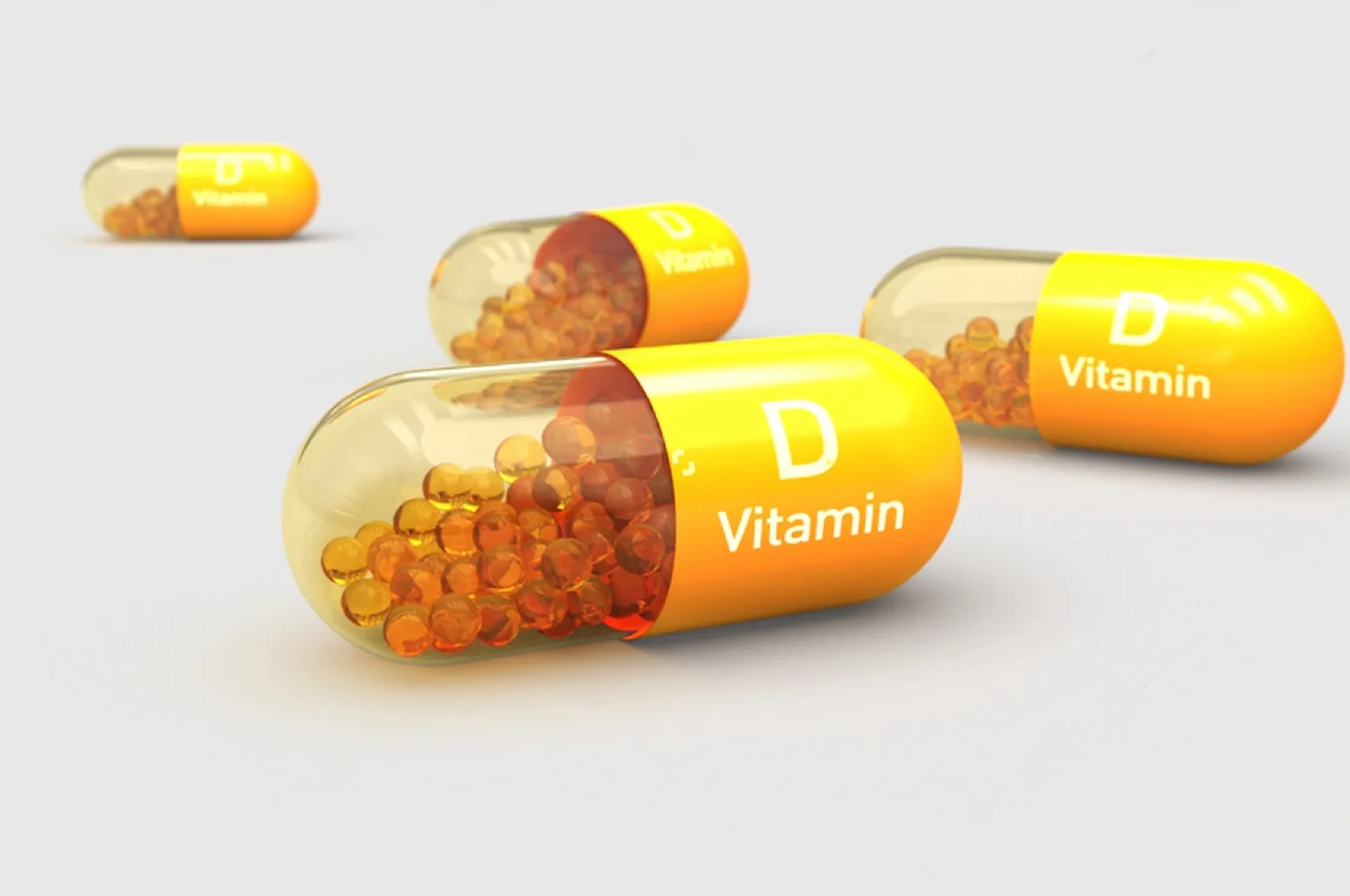
Are you getting your dose of D? Vitamin D helps your body use calcium for strong teeth and bones, and research links it to healthier gums. Yet many people don't get enough, especially in a Pennsylvania winter. This friendly reminder from Southern York Smile Care in Shrewsbury explains why vitamin D matters for your smile and simple ways to get more of it.
What Vitamin D Does for Your Teeth
Your teeth and jawbone are built largely from calcium and phosphate. Vitamin D is what helps your body absorb those minerals from food. Without enough of it, you can eat plenty of calcium and still not put it to good use.
Vitamin D also plays a part in your immune system and in controlling inflammation. That matters in the mouth, where your gums are constantly dealing with bacteria. Research shows a link between healthy vitamin D levels and better gum health, and some studies suggest people with low levels may be more prone to gum inflammation.
A review of older clinical trials in children also found that vitamin D was associated with less tooth decay. The research is still developing, and vitamin D is not a replacement for brushing and flossing. But it is one piece of the puzzle that's easy to overlook.
Vitamin D Before Birth and in Early Childhood
Baby teeth start forming long before birth. The enamel on those first teeth is built during pregnancy and in the early months of life. Some research suggests that low vitamin D levels during pregnancy may be associated with a higher chance of cavities in a child's first years.
If you're expecting, talk with your doctor or midwife about your vitamin D level and whether a prenatal supplement covers what you need. Our article healthy teeth, healthy baby has more tips on caring for your mouth during pregnancy. For young children, ask your child's doctor about vitamin D, especially for breastfed babies, and see our children's dentistry page for help with first visits.
Signs You Might Be Low
Low vitamin D is common and often has no obvious symptoms. When signs do appear, they can be vague. They may include:
- Tiredness or low energy.
- Aches in bones or muscles.
- Getting sick more often than usual.
- Slow healing after injuries or surgery.
- Low mood, especially in winter.
In the mouth, frequent gum inflammation or slow healing after dental work can be one clue among many. None of these signs prove a deficiency. The only way to know your level is a simple blood test, which your physician can order.
Some people are more likely to run low. That includes people who spend most of their time indoors, people with darker skin, older adults, people who cover most of their skin outdoors and people with certain digestive conditions that affect how nutrients are absorbed.
Where to Get Your Vitamin D
Sunlight
Your skin makes vitamin D when it's exposed to sunlight. But it's hard to measure how much you get, and the risk of skin cancer means more sun isn't always better. In Pennsylvania, the winter sun sits low in the sky, and for several months of the year the skin makes little vitamin D at all, no matter how long you're outside.
Food
Dietitians generally recommend food first, with supplements filling the gaps. Few foods are naturally rich in vitamin D, but some good sources are:
- Fatty fish such as salmon, trout, sardines and mackerel.
- Fish liver oils, such as cod liver oil.
- Egg yolks.
- Mushrooms, especially those grown under UV light.
- Fortified foods such as milk, many plant-based milks, some yogurts, orange juice and breakfast cereals. Check the label.
Cheese and beef liver contain smaller amounts. If you don't eat fish or fortified foods, it can be hard to get enough from diet alone.
Supplements
Vitamin D supplements are widely available. Because too much vitamin D can also cause problems, ask your physician what amount is right for you before you start, especially if you take other medications.
Vitamin D Works Best With Good Nutrition Overall
Vitamin D doesn't work alone. Your teeth also need calcium from foods like dairy, leafy greens, almonds and canned fish with soft bones. Phosphorus comes from eggs, fish, meat, beans and nuts. Vitamin C supports healthy gums. Crunchy fruits and vegetables help clean teeth and stimulate saliva.
Just as important is what you limit. Frequent snacking and sugary or acidic drinks feed the bacteria that cause decay. Our article does my dentist care about my diet? explains how food choices affect your teeth, and beware of hidden sugar shows where sugar hides in everyday foods.
Common Questions About Vitamin D and Your Smile
Can vitamin D fix a cavity?
No. Once a cavity has formed, it needs to be treated by a dentist. Good nutrition, including vitamin D, helps support strong teeth and healthy gums, but it doesn't repair a hole in a tooth. Very early soft spots in enamel can sometimes be strengthened with remineralization varnish or fluoride, which is why early checkups matter.
Does vitamin D help after dental surgery?
Your body needs good nutrition to heal after an extraction, implant or gum treatment. Vitamin D supports bone health, and bone health matters when a dental implant fuses with the jaw. If you're planning surgery, it's reasonable to ask your physician whether your level should be checked first.
Is more always better?
No. Vitamin D is stored in the body, and very high doses over time can cause harm. Stick with the amount your physician recommends.
Prevention Is the Best Medicine
Southern York Smile Care encourages every patient to practice prevention: a healthy diet with all the vital nutrients, good daily brushing and flossing, and regular checkups. Cleanings at the office are a full 60 minutes, which leaves time to talk about nutrition and any concerns you have.
Patients who want a whole-body approach can choose holistic dentistry, which looks at how your mouth and overall health connect. The office is mercury-free and offers remineralization varnish for holistic patients and fluoride for patients who want it. If your gums bleed or feel tender, see gum disease treatments, and visit our preventive dentistry page to learn what a regular visit includes.
Dr. Steven Haywood has more than 35 years in practice and takes time to explain how your habits show up in your mouth. You can read more on the meet the doctor page.
Book Your Checkup in Shrewsbury
If it's been a while since your last cleaning, or you have questions about your gums, call Southern York Smile Care at (717) 235-3871 or request an appointment. The office is at 4 S. Main St in Shrewsbury and welcomes patients from York, southern York County and northern Baltimore County.

DDS cum laude 1987, US Air Force residency, NYU cosmetic training and Fellow of the International Congress of Oral Implantologists, with 35+ years in practice.
Meet Dr. Haywood → 4 Oral Ailments to Discuss with your Dentist
 Bad Breath Treatment at Southern York Smile Care
 10 Terrific Tooth Tips From Southern York Smile Care