
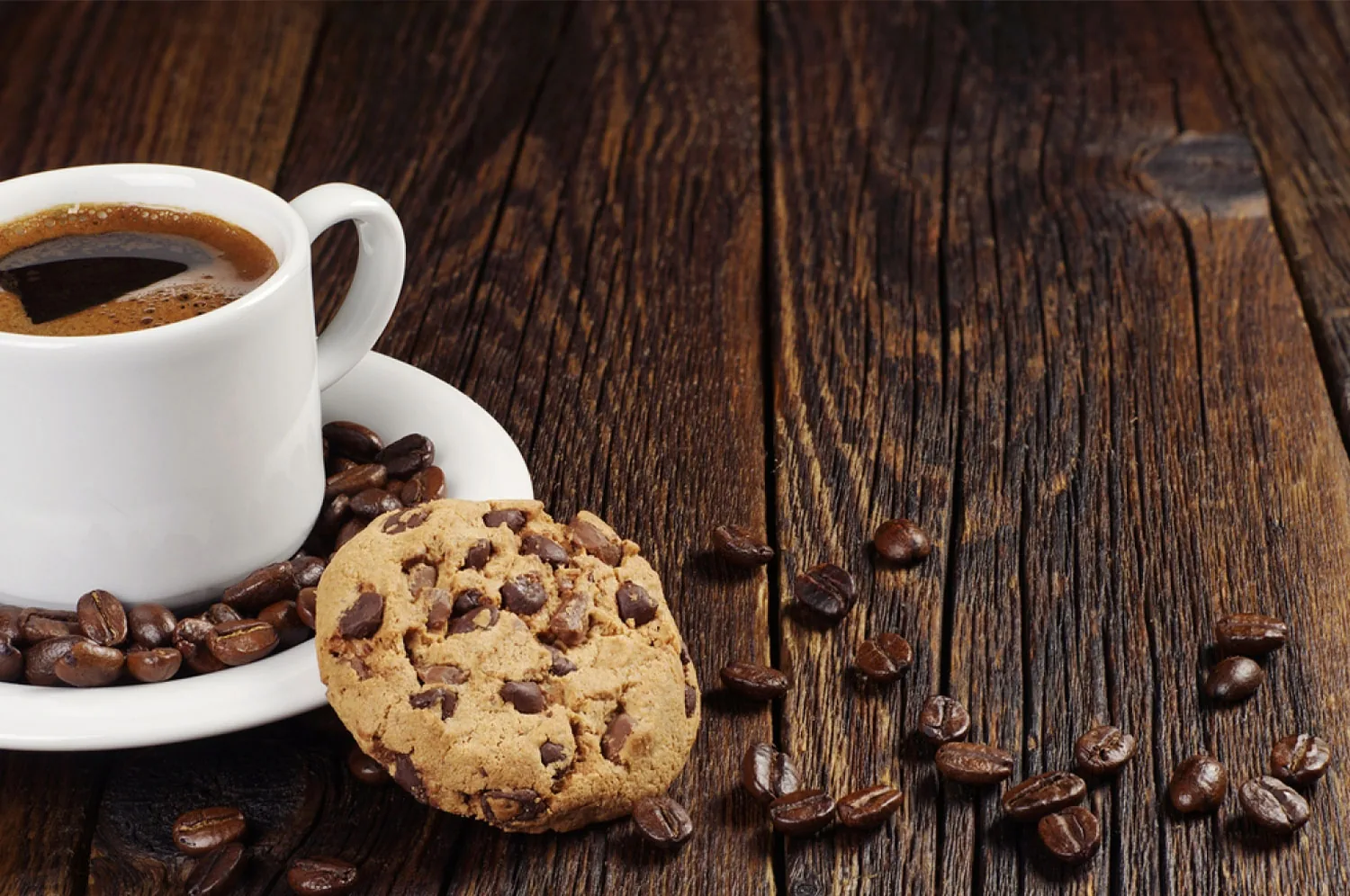
Are all carbs created equal when it comes to your teeth? Not quite, but more of them can lead to cavities than most people expect. At Southern York Smile Care in Shrewsbury, PA, we see every day how small changes in diet can improve oral health. This guide explains how carbs affect your teeth and what you can do about it.
Why diet matters for your teeth
You probably brush and floss and visit your dentist for regular cleanings. Those habits are essential. But what and when you eat also has a big effect on your teeth and gums.
Your mouth is home to many kinds of bacteria. Some of them feed on sugars from your food and produce acid as a by-product. That acid softens tooth enamel. When acid attacks happen again and again, the enamel weakens and a cavity can form. The same bacteria and plaque can also irritate the gums and contribute to gum disease.
Not just candy: how all carbs can cause cavities
Most people know that candy, cookies, juice and soda can harm teeth. Fewer people realize that other carbohydrates can feed the same bacteria. A handful of pretzels or a slice of bread can affect your teeth in much the same way as a brownie.
Simple sugars
Table sugar, honey, syrups and the sugars in juice and soda are ready-made food for decay-causing bacteria. They are the fastest to start an acid attack.
Starches
Starchy foods like crackers, chips, bread and pasta are broken down into simple sugars, beginning in your mouth with enzymes in your saliva. Once that happens, the bacteria use them the same way they use candy.
Sticky and lingering foods
Some carbs are naturally sticky. Crackers, chips, dried fruit and chewy snacks pack into the grooves of your back teeth and between teeth, where they keep feeding bacteria long after you finish eating. A food that clears from your mouth quickly is easier on your teeth than one that lingers.
Timing matters as much as what you eat
Each time you eat or drink something with carbs, your mouth goes through an acid attack that can last for a while afterward. Saliva slowly neutralizes the acid and helps repair the enamel. Trouble starts when the attacks come so often that saliva never gets a chance to catch up.
Eat carbs with meals, not as constant snacks
Eating carbs as part of a meal is easier on your teeth than snacking on them throughout the day. Your mouth makes more saliva at mealtimes, and saliva helps wash food away and buffer acids. Grazing on crackers all afternoon keeps your teeth under attack for hours.
Sip less, finish faster
The same goes for drinks. Sipping a sweet coffee or soda slowly over an afternoon bathes your teeth in sugar and acid the whole time.
Sodas, sports drinks and your enamel
We continue to see tooth damage caused by sodas, sports drinks and energy drinks. Many of these drinks are high in sugar, and most are also acidic, even the sugar-free kinds. That means they can soften enamel directly, not just through bacteria.
If you choose to drink them:
- Use a straw to limit how much the drink touches your teeth.
- Drink it with a meal rather than sipping it over hours.
- Rinse with water afterward.
- Wait to brush. Give softened enamel about 30 minutes to recover before brushing.
Plain water is the best everyday drink for your teeth. Milk is also a good choice with meals.
Hidden sugars in everyday drinks
Flavored coffees, sweet tea, smoothies, flavored waters and many "healthy" juices can carry as much sugar as soda. Reading the nutrition label is the quickest way to know. If sugar is one of the first few ingredients, treat the drink as a dessert, not an everyday thirst quencher.
Foods that help your teeth
A tooth-friendly diet is not only about cutting back. Some foods actively help.
- Calcium-rich foods like milk, cheese, plain yogurt and leafy greens support strong teeth and the jawbone that holds them. The National Institutes of Health lists daily calcium targets by age; most adults under 50 are advised to get about 1,000 mg a day.
- Cheese can help raise the pH in your mouth after a meal, making it less acidic.
- Crunchy vegetables and fruits like carrots, celery and apples get saliva flowing and are high in water and fiber.
- Protein foods like eggs, fish, poultry, beans and nuts are low in fermentable carbs and provide nutrients for healthy tissues.
- Water, especially after meals and snacks, rinses away food and sugars.
You may also enjoy our related articles Beware of Hidden Sugar and Does My Dentist Care About My Diet?
Smart snacking ideas
Snacks are part of life, especially for busy adults and growing kids. The goal is not to give them up but to choose them well and keep them from stretching across the whole day.
- Pair a starchy snack with cheese, nuts or a glass of milk instead of eating it alone.
- Choose fresh fruit over dried fruit, which is stickier and more concentrated in sugar.
- Set snack times rather than grazing, so your saliva has breaks to repair enamel.
- Chew sugar-free gum after a snack when you cannot brush. It boosts saliva flow.
Diet is one part of the picture
Diet alone will not prevent cavities and gum disease. But wise eating, combined with good daily care and regular checkups, gives your teeth the best chance.
- Brush twice a day for two minutes.
- Clean between your teeth every day with floss, interdental brushes or a water flosser.
- See us regularly for dental cleanings, which at our office are a full 60 minutes.
- Ask about extra protection. We offer fluoride to patients who want it, and remineralization varnish for holistic patients.
At your checkup, we look for early signs of decay with tools like DIAGNOdent and digital X-rays, and we check your gums for signs of inflammation. If we find something, we will explain it plainly and keep treatment as conservative as possible. Our mercury-free office uses tooth-colored, BPA-free white fillings when a cavity needs repair. If your gums need attention, our gum disease treatments can help.
Book your exam and cleaning
Dr. Steven Haywood, DDS, and the team at Southern York Smile Care are welcoming new general and cosmetic dentistry patients from Shrewsbury, York, southern York County and northern Baltimore County, MD. Call (717) 235-3871 or request an appointment to schedule an exam and cleaning at 4 S. Main St in Shrewsbury. Bring your questions about diet; we are happy to help you find simple changes that fit your life.
DDS cum laude 1987, US Air Force residency, NYU cosmetic training and Fellow of the International Congress of Oral Implantologists, with 35+ years in practice.
Meet Dr. Haywood → Dr. Steven W. Haywood: Calming Root Canal Fears
 Less Is More in Dentistry
 Been a While Since You’ve Visited a Dentist?