
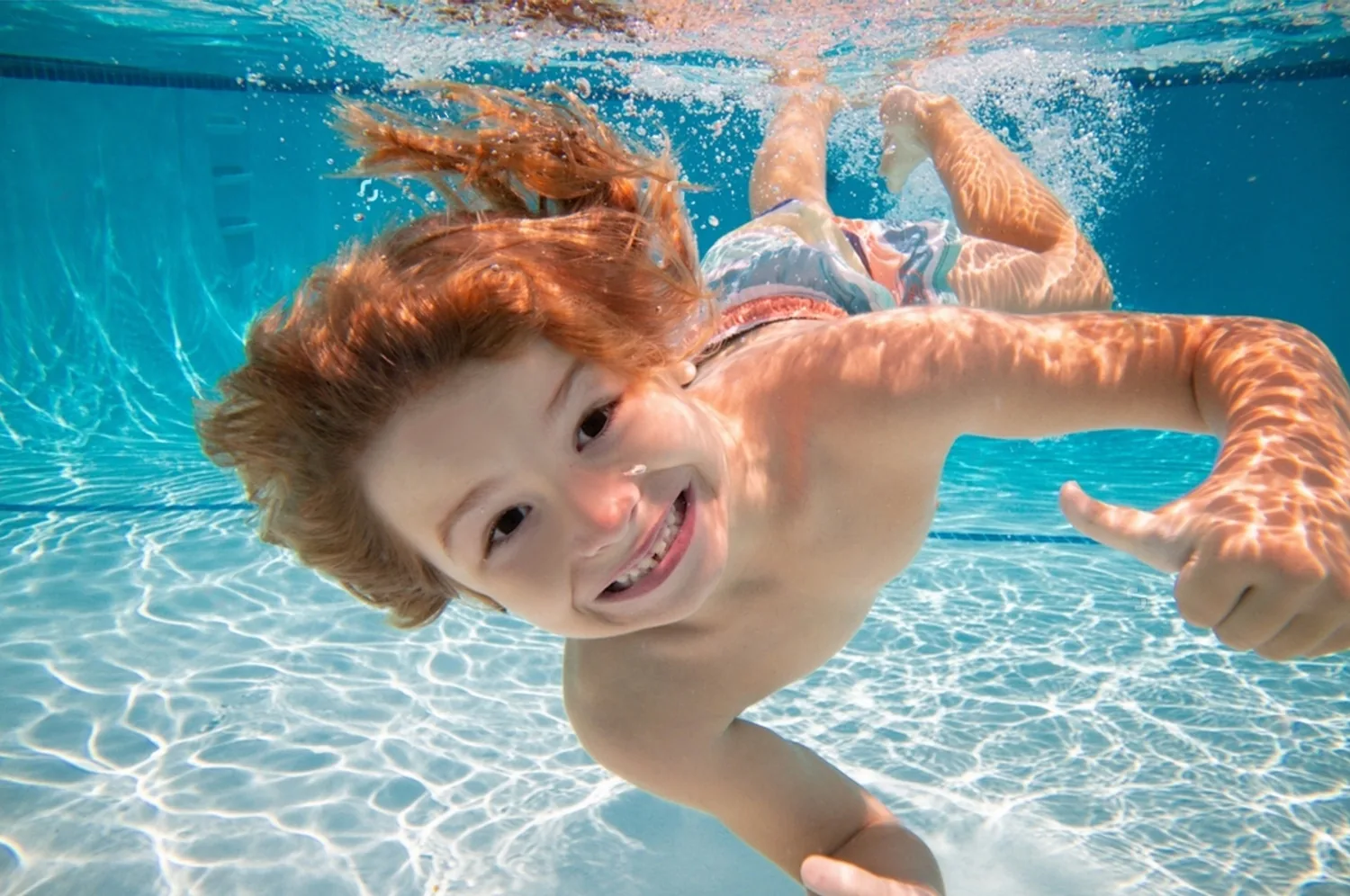
Water activities and your teeth have more in common than you think, from pool chlorine stains to pressure changes when you dive. If you swim laps, dive or spend summer weekends at the lake, a few simple habits can protect your smile. Here is what Southern York Smile Care in Shrewsbury, PA wants every swimmer and diver to know.
Why swimmers notice sensitive teeth
Avid swimmers sometimes notice their teeth feel more sensitive after a long session in the pool. One afternoon at the lap pool is unlikely to do harm. Hours of swimming every week, over months and years, is a different story.
Sensitivity can come from more than one place. Gum recession, worn enamel and small cavities can all make teeth react to cold water and cold air. If sensitivity lingers after you dry off, or if one tooth stands out, mention it at your next visit so we can find the cause.
For many swimmers, though, the main reason is the water itself. Pool water is treated with chlorine to keep it clean, which is a good thing. But if the water's pH is not carefully balanced, it can drift toward the acidic side. Tooth enamel is strong, but acid softens it. Regular, long exposure to acidic water can lead to stains, sensitivity and, in some cases, enamel erosion.
Swimmer's calculus: stains from pool water
"Swimmer's calculus" sounds like a math class, but it is a dental condition. It shows up as hard yellow or brown deposits on the front teeth of people who spend a lot of time in chlorinated pools. Competitive swimmers and people who swim several times a week are the most likely to see it.
Researchers believe the chemicals in pool water react with proteins in saliva, which leaves deposits on the teeth. These stains do not usually come off with regular brushing at home.
How to protect your teeth in the pool
- Rinse with fresh water after you swim. This clears pool water from your mouth.
- Keep your mouth closed when you can. Less water in your mouth means less contact with your teeth.
- Wait before you brush. If your enamel has been in acidic water, give it about 30 minutes before brushing so you do not scrub softened enamel.
- Keep up with your cleanings. Professional cleanings remove swimmer's calculus and other buildup. Our dental cleanings are a full 60 minutes.
- If you own a pool, test the water. Keeping the pH in the recommended range is good for swimmers' skin, eyes and teeth.
If stains have already set in, a cleaning often removes most of them. For deeper discoloration, ask about teeth whitening.
Scuba divers have their own concerns
Maybe you prefer scuba diving to swimming laps. In that case, the risk to know about is not swimmer's calculus. It is "tooth squeeze," also called barodontalgia.
You have probably felt pressure build in your ears when you dive to the bottom of the deep end. A similar change in pressure can affect teeth, especially teeth with:
- Untreated cavities
- Old or leaking fillings and crowns
- Small cracks
- Recent dental work that has not fully settled
Tiny pockets of air trapped in or under these teeth can expand and shrink as you descend and rise. That can cause pain and, in rare cases, crack a tooth or loosen a filling or crown. Sinus pressure while diving can also feel like an ache in the upper back teeth.
That is why we suggest starting your diving season with a dental checkup. We can look for weak spots with digital X-rays and an intraoral camera and fix them before you head under water. If you have recently had a filling, crown or extraction, ask us how long to wait before your next dive.
How well does your scuba mouthpiece fit?
Divers often joke that "one size fits all" mouthpieces really mean "one size fits none." Many rental and stock mouthpieces are bulky, stiff or the wrong shape for your bite.
A poor fit causes real problems. To keep a loose mouthpiece in place, you may clench your jaw for the whole dive. That strain can leave your jaw muscles sore and, over time, may contribute to problems with the jaw joint, known as temporomandibular disorder (TMD). Signs to watch for include:
- Jaw soreness or tiredness after a dive
- Clicking or popping in the jaw joint
- Headaches around the temples
- Sore gums where the mouthpiece rubs
If you dive often, a mouthpiece that is molded to your teeth can make dives more comfortable. Bring your questions to your next visit, and we can talk about what makes sense for how often you dive. If jaw pain has already started, learn about our TMJ and TMD treatment.
Other water activities and your teeth
Water sports and mouthguards
Water polo, surfing, wakeboarding and water skiing all carry a risk of a knock to the mouth from a ball, a board or a fall. A well-fitted mouthguard is the best protection. Custom guards fit better and stay in place, so you can breathe and talk more easily. Our bite guards page explains the options.
Slippery pool decks
Some of the most common summer dental injuries happen out of the water. Pool decks are wet and slippery, and a fall can chip or knock out a tooth. Walk, do not run, climb out of the pool carefully and never dive into shallow water. Teach children the same rules.
Staying hydrated
Long days in the sun can leave you dehydrated, and a dry mouth is more prone to decay. Drink plenty of plain water. Sports drinks and sodas are acidic and sugary, so save them for rare treats.
What to do if a tooth is injured
Accidents happen, even when you are careful. If a tooth is chipped, cracked or knocked out:
- Rinse your mouth gently with clean water.
- If a tooth is knocked out, hold it by the crown (the top), not the root. If you can, place it back in the socket or keep it in milk.
- Use a cold compress on your face to reduce swelling.
- Call us right away. Fast care gives the tooth the best chance.
Our emergency dental care page has more tips on what to do while you are on your way to us.
Enjoy the water with a healthy smile
Swimming and diving are great for your health. With a little care, they can be great for your smile too. If you are heading into a busy summer of laps or dives, or if your teeth feel sensitive after the pool, call Southern York Smile Care at (717) 235-3871 or request an appointment at our Shrewsbury office. We wish all our patients a safe and happy summer.
This article is general information and not a substitute for professional advice, diagnosis or treatment. Always ask a qualified health provider about your own situation.

DDS cum laude 1987, US Air Force residency, NYU cosmetic training and Fellow of the International Congress of Oral Implantologists, with 35+ years in practice.
Meet Dr. Haywood → Don’t Use your Teeth as Tools!
 Creating Lifelong Partnerships
 Optimal Care From Unique Standards