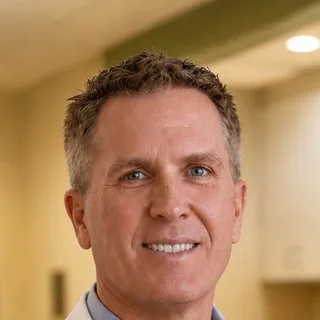
A biological dentist looks past the sore tooth to the whole person, treating the cause of a problem with gentle, mercury-free care. At Southern York Smile Care in Shrewsbury, PA, Dr. Steven Haywood, DDS, brings this whole-body approach to every patient. Here is what biological dentistry means, how it differs from a traditional visit, and what you can expect.
What is a biological dentist?
A biological dentist sees your mouth as part of your whole body, not as a separate set of parts to fix. Instead of only treating the symptom in front of them, such as a toothache or bleeding gums, a biological dentist looks for the root cause and asks how your oral health and your general health affect each other.
You may also hear the terms holistic dentist or natural dentist. They describe a similar philosophy:
- Treat the cause, not only the symptom.
- Keep as much natural tooth structure as possible.
- Choose the least invasive treatment that will work well.
- Avoid mercury and limit metals in the mouth when there are good alternatives.
- Pay attention to diet, habits and overall wellness.
- Teach patients enough to make informed choices.
A biological dentist is still a licensed dentist. Biological dentistry combines modern, professionally approved methods with a wider view of health. It must use approved, licensed materials and meet the standard of care, just like any other dental practice. You can read more on our biological dentistry and holistic dentistry pages.
How biological dentistry differs from a traditional visit
Many patients come to us after a bad experience elsewhere. Some felt rushed. Some felt a dentist was quick to drill, or quick to recommend major work without explaining why. A biological approach changes the pace and the questions.
We ask about more than your teeth
Dr. Haywood finds it important to ask about your diet, your medications, your stress and your daily habits. Sugary and acidic foods, tobacco, alcohol, dry mouth from medications, and teeth grinding can all affect your oral health. If we only treat the result and ignore the cause, the same problem is likely to come back.
We aim to treat a problem once
Treating the same problem again and again is frustrating and costly. It can also leave patients feeling they will never get better. The goal of biological dentistry is long-term wellness and a stable mouth, so the plan addresses why a problem started, not only what it looks like today.
We look at alternatives
Whenever it is safe and sensible, we discuss more than one option. A small cavity might be treated conservatively rather than with a large filling. Gum problems may respond well to non-surgical care. When major work is the right answer, we explain why, and what your other choices are.
Mercury-free and metal-free options
Choosing materials carefully is a core part of biological dentistry. Southern York Smile Care is a mercury-free office. We do not place silver (amalgam) fillings, which contain mercury.
Tooth-colored fillings
When a tooth needs a filling, we use tooth-colored, BPA-free white fillings. They bond to the tooth, which often means less healthy tooth structure needs to be removed. They also look natural. Learn more about white dental fillings.
Replacing old silver fillings
If you have older silver fillings, we can talk about whether and when to replace them with tooth-colored materials. Not every old filling needs to come out right away; we will look at the condition of each one and help you decide.
Porcelain instead of metal
For larger repairs, all-porcelain crowns restore strength without a metal base. Porcelain veneers can repair the front surfaces of teeth without metal. If you are thinking about implants and want to understand the material choices, our article on ceramic vs. titanium implants walks through the differences.
Whole-body care in practice
Your mouth and body are connected. Research has linked gum disease with other health conditions, including heart disease and diabetes. Biological dentistry takes that link seriously.
Gentle treatment of gum disease
Gum disease is a bacterial infection. Before choosing treatment, we can use oral DNA tests, a simple saliva test that identifies the bacteria present. That helps us target the problem rather than guess. Many patients do very well with non-surgical gum care and good home habits. See our gum disease treatments page for details.
Less invasive tools
- Air abrasion can remove small areas of decay without the traditional drill in some cases.
- The Picasso laser can be used for some gum procedures, often with less discomfort.
- DIAGNOdent helps find early decay, when treatment can be small.
Lower radiation imaging
Our digital X-rays use up to 90% less radiation exposure than traditional film. When we need a 3D view, for example to plan an implant, Green CT 3D cone beam imaging gives us detailed information. You can see all of our tools on the dental technology page.
Fluoride: your choice
Some patients who seek a biological dentist prefer to avoid fluoride. Others want it. We respect both. Holistic patients can have remineralization varnish, which helps strengthen enamel, and fluoride is available for patients who want it. We will explain the pros and cons of each so you can choose.
Education is the biggest difference
Perhaps the biggest difference with a biological, holistic or natural dentist is the time spent on education. It is important for your dentist to understand how your body affects your mouth. It is just as important for you to understand it.
If a habit is causing a problem, it is hard to change it unless you know it is the cause. So we show you what we see with an intraoral camera, explain what it means and talk through practical steps. Patients who understand their mouths tend to keep them healthier.
Is a biological dentist right for you?
A biological approach may suit you if you:
- Want to avoid mercury fillings or reduce metal in your mouth
- Prefer minimally invasive care whenever it is a sound option
- Want your dentist to consider your overall health, diet and lifestyle
- Have had a rushed or unpleasant dental experience before
- Like to understand the reasons behind every recommendation
Dr. Haywood has more than 35 years in practice, graduated cum laude with a DDS from the University of Detroit, completed a US Air Force advanced residency, and is a Fellow of the International Congress of Oral Implantologists. Learn more on our Meet the Doctor page.
A note on cost: biological dentistry at our office follows the same approach to payment as all our care. We are out of network with every insurer. You pay at the visit and our office files the claim so your plan can reimburse you. CareCredit and Cherry payment plans are available, and our team is glad to help with insurance questions. See our financing page.
Visit a biological dentist in Shrewsbury
We serve Shrewsbury, New Freedom, Stewartstown, York and all of southern York County, along with northern Baltimore County, MD. To talk with Dr. Haywood about biological and holistic dental care, call Southern York Smile Care at (717) 235-3871 or request an appointment at 4 S. Main St, Shrewsbury, PA 17361. Bring your questions; we will take the time to answer them.
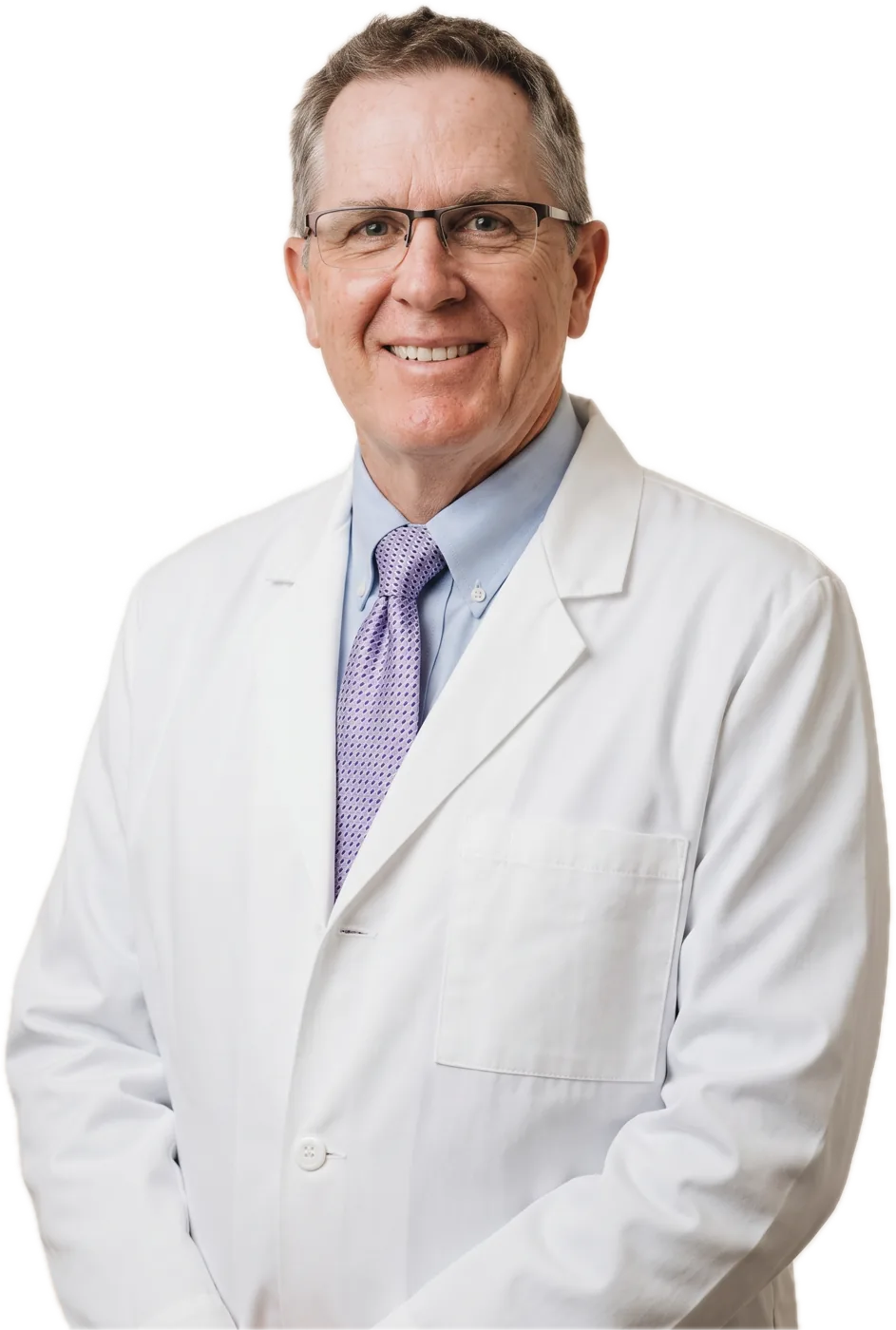
DDS cum laude 1987, US Air Force residency, NYU cosmetic training and Fellow of the International Congress of Oral Implantologists, with 35+ years in practice.
Meet Dr. Haywood → Porcelain Veneers and Instant Orthodontics for Shrewsbury
 4 Reasons to Look for the ADA Seal
 Don’t Use your Teeth as Tools!