
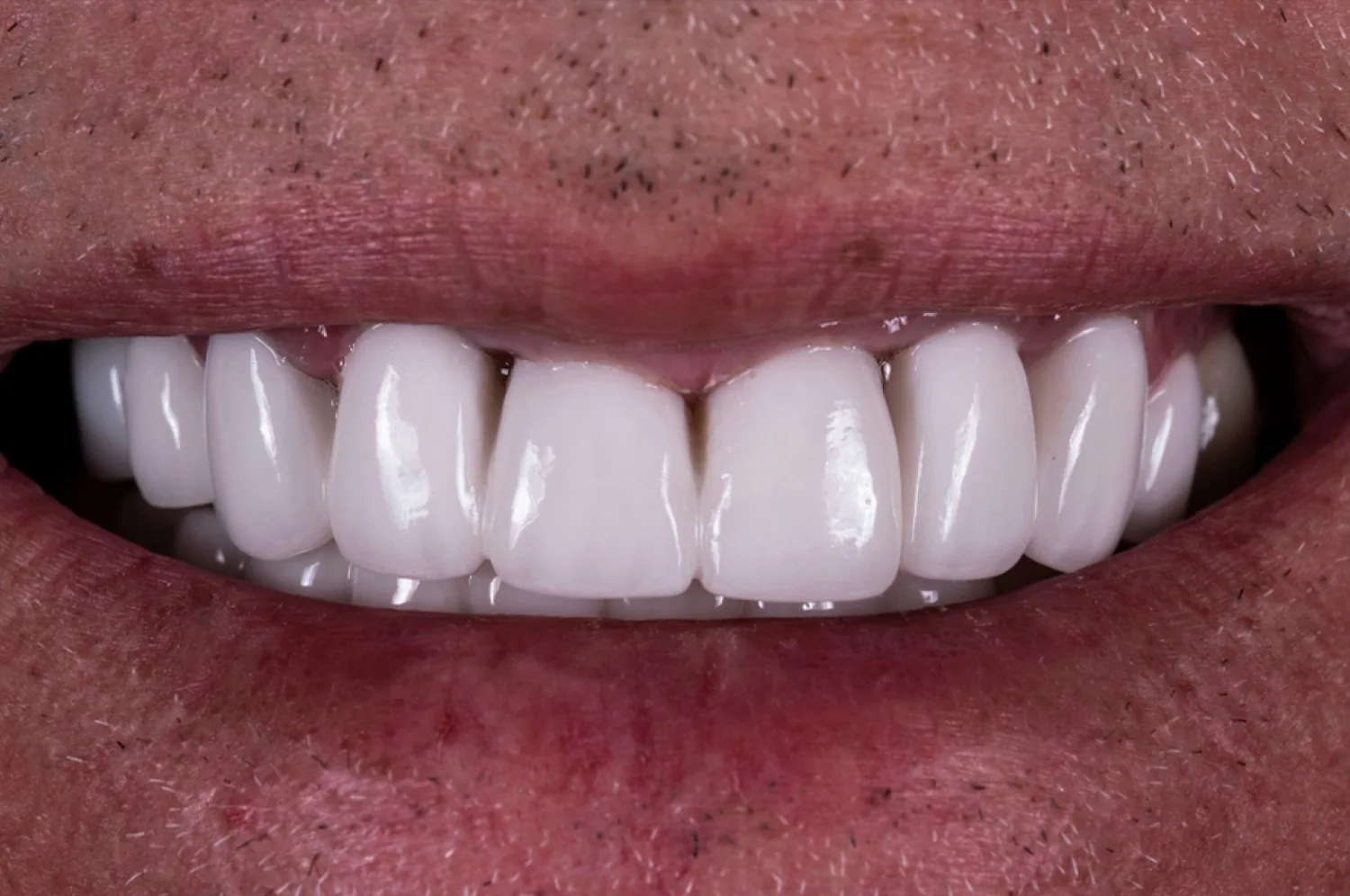
Full mouth dental implants replace a whole arch of teeth with a fixed set anchored to four or five implants, so nothing slips. No more clicking, rubbing or teeth that come out at night. They're a popular choice for people who have lost all their teeth, are tired of loose dentures or whose remaining teeth can no longer be saved. Here's how they work and who they help.
Who Full Mouth Implants Are For
Some people have no teeth left on the upper jaw, the lower jaw or both. Dentists call this being edentulous. Others still have some teeth, but those teeth are failing from advanced decay, gum disease, cracks or years of repeated repairs. In some cases, removing the remaining teeth and starting fresh is the most predictable way forward. And some people are simply worn out by fixing the same troublesome teeth over and over.
Full mouth implants can be a good fit if you:
- Wear a denture that slips, rubs or makes you self-conscious.
- Can't wear an upper denture because the plate makes you gag.
- Avoid foods you love because chewing is hard or painful.
- Have many failing teeth and want one long-term solution.
- Want a fixed smile that looks and feels like natural teeth.
How Full Mouth Implants Work
A dental implant is a small, screw-shaped post placed in the jawbone. It acts like a tooth root. With full arch treatment, four or five implants are placed in carefully chosen spots along the jaw. A full arch of teeth is then fixed to those implants. One arch can be treated, or both.
The angles and positions of the implants are planned so they make the best use of the bone you have. That's why approaches like All-on-4 dental implants can sometimes avoid the need for bone grafting, even in people who have worn dentures for years. When extra bone is needed, dental bone grafting can build it up.
Because the teeth are fixed in place, they don't come out at night. You care for them in your mouth with brushing and special cleaning tools. That's why full mouth implants are often called "permanent dentures."
Full Mouth Implants vs. Traditional Dentures
Dentures have helped people for generations, and they're still a good option for some. But long-time denture wearers often notice the difference right away with implants.
- No slipping. Implant teeth are anchored to the jaw, so they don't move when you talk, laugh or eat.
- No palate plate. An upper denture usually covers the roof of the mouth, which can dull taste, affect speech and trigger gagging. A fixed implant arch leaves the palate open.
- No adhesives. There are no creams or powders to apply each morning.
- Stronger bite. You can chew firmer foods with more confidence.
- Bone protection. Implants stimulate the jawbone. Without that, the jaw slowly shrinks, which is why dentures loosen over time and the face can look sunken. Read implants prevent denture-related health problems to learn more.
If you'd like something in between, snap-on implant teeth use fewer implants to hold a removable denture firmly in place. You can also compare options on the dentures page.
Eating, Nutrition and Everyday Life
When teeth are missing or a denture is loose, many foods become hard to eat. Raw vegetables, crunchy fruit, nuts and tougher meats are often the first to go. Over time, that can limit the nutrition you get from your diet. It also takes some of the joy out of meals with family and friends. If you love a good steak but can't chew it, that's a real loss.
A fixed implant arch restores much of your chewing strength. Many people find they can return to foods they'd given up. Speaking often feels more natural too, without the worry of a denture shifting mid-sentence.
A New Smile, Not Just New Teeth
When old teeth fail, they're often stained, chipped and worn. A full arch replacement is a chance to design a new smile from scratch. The shape, size and shade of your new teeth are planned with you, so the result fits your face and looks natural.
Dr. Steven Haywood completed cosmetic training through the NYU Aesthetic Continuum and has been seen on ABC's Extreme Makeover. That cosmetic eye is part of how each full arch is planned. You can see examples in the smile gallery.
Planning and Treatment Steps
Consultation and 3D imaging
Treatment starts with a full exam and Green CT 3D cone beam imaging. This shows the bone, nerves and sinuses in detail. The iTero Element 3D scanner records your mouth without messy impression trays.
Guided placement
The scans are used to plan exactly where each implant should go. Learn more about guided implant surgery. Any failing teeth are removed and the implants are placed, with local numbing. Oral sedation is available if you're anxious. See sedation dentistry.
Healing and your final teeth
The implants need time to fuse with the bone. Your dentist will explain the plan for your teeth during healing and when your final arch will be placed. Healing time varies from person to person.
Caring for Your New Teeth
Implant teeth can't decay, but the gums around the implants still need daily care. Plaque that collects where the arch meets the gums can lead to inflammation, and over time that can threaten the bone holding the implants. A simple routine keeps them healthy:
- Brush the teeth and the gumline twice a day with a soft brush.
- Use a water flosser or special floss to clean under the arch where food can collect.
- Keep regular checkups, so your dentist can check the implants, the bite and the gums.
- Wear a night guard if you grind or clench.
Cleanings at Southern York Smile Care are a full 60 minutes, which leaves time to clean carefully around implants. If you smoke, quitting helps implants heal and last.
Experience You Can Trust
Dr. Haywood is a Fellow of the International Congress of Oral Implantologists and has more than 35 years in practice. Read more on the meet the doctor page, or explore the main dental implants page.
Full mouth implants are a significant investment. Southern York Smile Care is out of network with every insurer: you pay at the visit and the office files the claim for reimbursement. CareCredit and Cherry payment plans can help you spread out the cost. Kelley Fisher, the Patient Care and Treatment Coordinator, will go over your plan, insurance questions and financing with you. See the financing page.
Find Out If Full Mouth Implants Are Right for You
If you're tired of loose dentures or failing teeth, call Southern York Smile Care at (717) 235-3871 or request an appointment. The office is at 4 S. Main St in Shrewsbury and welcomes patients from York, southern York County and northern Baltimore County.
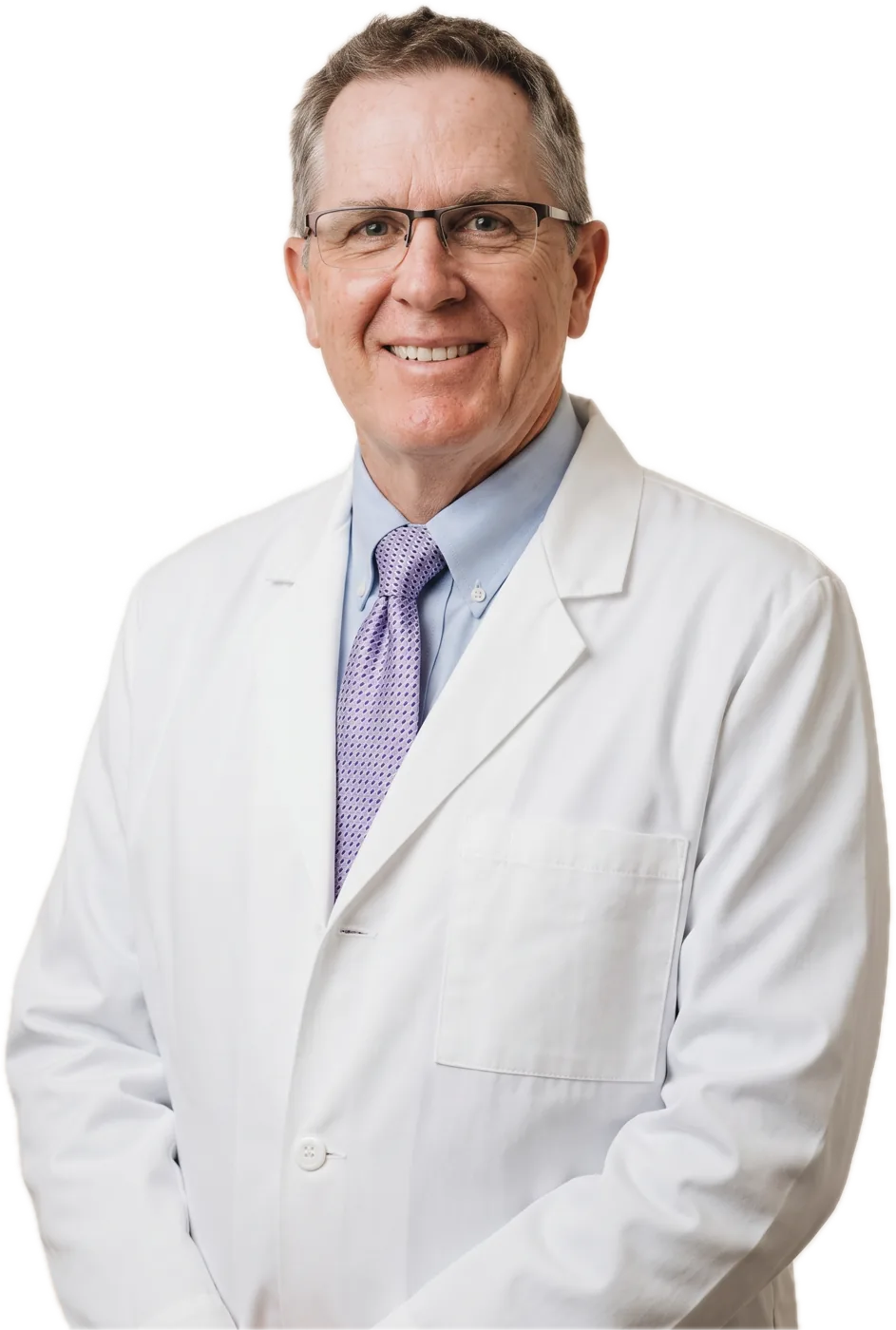
DDS cum laude 1987, US Air Force residency, NYU cosmetic training and Fellow of the International Congress of Oral Implantologists, with 35+ years in practice.
Meet Dr. Haywood → Porcelain Veneers and Instant Orthodontics for Shrewsbury
 4 Reasons to Look for the ADA Seal
 Don’t Use your Teeth as Tools!