
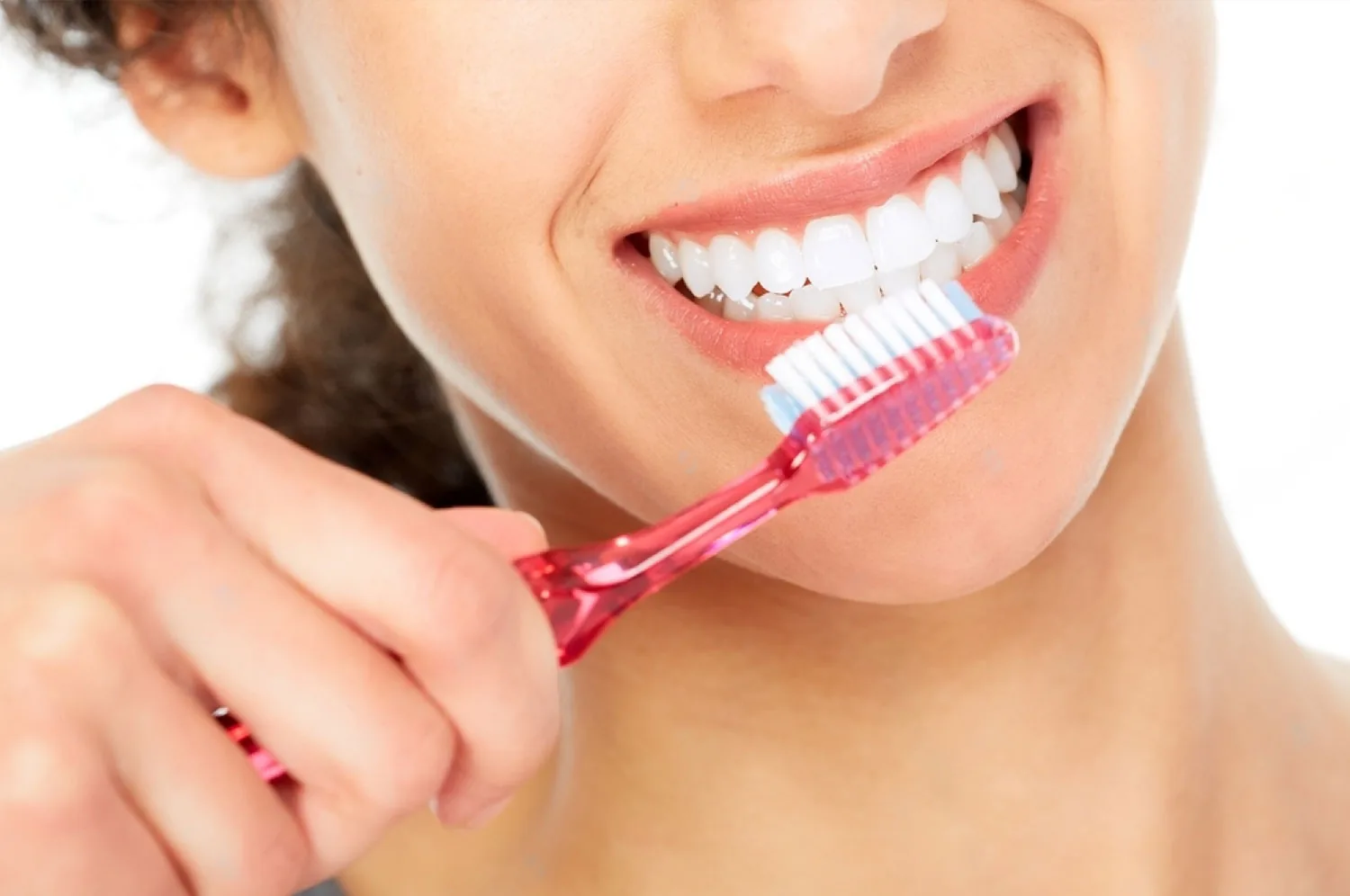
When it's better not to brush: right after acidic food or drink, waiting before you brush protects your softened tooth enamel. It sounds backward, but timing matters. The team at Southern York Smile Care in Shrewsbury, PA explains why, along with other everyday habits that quietly wear enamel away.
Though thin and partly translucent, tooth enamel is the hardest substance in the human body. It protects your teeth from constant use and from the steady assault of acids in food and drink. One of its most important jobs is shielding the nerves inside your teeth from hot and cold, which is why enamel loss so often causes sensitivity.
Why enamel matters so much
Cuts heal. Bruises fade. Broken bones mend. The body's ability to repair itself is truly wondrous. Tooth enamel is different. It contains no living cells, so once it is gone, it does not grow back.
Your mouth can repair very early, microscopic softening. Saliva carries calcium and phosphate back into weakened enamel, a process called remineralization. Products that support this, such as remineralization varnish or fluoride, can help. But deeper wear and erosion are permanent, so protecting what you have is the best plan.
Why waiting to brush helps
Acidic foods and drinks soften the surface of enamel for a while. Brushing during that window can scrub away some of the softened layer. Over months and years, that adds up.
Common acidic culprits
- Citrus fruits and juices, such as oranges, lemons and grapefruit
- Soda, including diet soda, and sparkling flavored drinks
- Sports and energy drinks
- Wine and many mixed drinks
- Vinegar, pickles and salad dressings
- Tomato-based sauces
- Sour candies
What to do instead
- Rinse first. Swish with plain water right after eating or drinking something acidic. It washes away food particles and helps dilute the acid.
- Wait to brush. The American Dental Association suggests waiting about 60 minutes after acidic foods or drinks before brushing, giving saliva time to neutralize the acid and begin hardening enamel again.
- Brush gently. When you do brush, use a soft brush and light pressure. Hard bristles and scrubbing wear enamel and push gums back.
- Brush before breakfast. If your morning includes orange juice or coffee, brushing first, then rinsing with water after, can work well.
Dry mouth and enamel erosion
Many people do not realize that dry mouth can cause or worsen enamel erosion. The calcium and phosphate in saliva protect your enamel; with too little saliva, enamel is left exposed to acid for longer.
Chewing stimulates saliva, but constant snacking is not the answer to dry mouth, since every snack starts a new acid attack. Better options:
- Chew sugar-free gum between meals.
- Sip water regularly through the day.
- Limit caffeine and alcohol, which can dry the mouth.
- Ask your doctor whether a medication could be the cause; many common prescriptions reduce saliva.
These help without raising your cavity risk or adding calories. Learn more in Why Is Dry Mouth Dangerous?
Other habits that wear enamel away
Grinding and clenching
Tooth grinding wears enamel down, flattens the chewing surfaces and can cause chips and cracks. Many people grind at night without knowing it. Signs include morning jaw soreness, headaches, flattened teeth and sensitivity. If you grind, a night guard is essential. People who grind are at high risk for enamel wear and the problems that follow. See our bite guards and TMJ and TMD treatment pages, and read Do You Grind Your Teeth While You Sleep?
Sports without a mouthguard
Athletes should protect their teeth on the field with a mouthguard. A single hit can chip enamel or knock out a tooth. A guard that fits well is more comfortable, so it is more likely to stay in during play. Keep it clean, store it in a vented case, and replace it when it becomes worn or loose.
Sipping all day
If you sip soda, sweet tea or sweetened coffee throughout the day, your teeth never get a break from acid and sugar. Try to enjoy those drinks with a meal, and switch to water in between. It may be a hard change, but your teeth will thank you.
Using teeth as tools
Tearing open a package or ripping tape with your teeth can chip enamel. Take a moment to grab scissors. Is opening a bag of lunchmeat worth a chipped tooth? Read Don't Use Your Teeth as Tools.
Chewing ice and hard candy
Ice and hard candy can crack or chip enamel. Sticky, gummy candy is no better; it packs into the grooves of molars and feeds cavity-causing bacteria. If you enjoy sweets, have them with a meal and rinse with water afterward. Constant sugar is bad for teeth. Period.
Signs your enamel may be wearing thin
Enamel erosion happens slowly, so it is easy to miss. Watch for these changes:
- Sensitivity or a quick twinge with hot, cold or sweet foods and drinks
- Teeth that look more yellow, as the darker dentin underneath shows through
- Edges of front teeth that look slightly see-through, rough or chipped
- Small dents or cupped areas on the chewing surfaces of back teeth
- Fillings that seem to stand higher than the tooth around them
- Teeth that look shorter or flatter than they used to
None of these mean you have done something terribly wrong. They are simply signals to look at your habits and talk with your dentist. The sooner wear is noticed, the more options you have, and the simpler they tend to be. Small changes, like rinsing after acidic drinks and waiting to brush, can slow further wear a great deal.
Repairing worn or sensitive teeth
If enamel has already worn away, your dentist can help. Depending on the damage, options may include a desensitizing treatment, remineralization varnish for holistic patients or fluoride for patients who want it, tooth-colored bonding to cover exposed areas, or crowns or veneers for more extensive wear. Southern York Smile Care is mercury-free and uses tooth-colored, BPA-free white fillings.
At each visit, Dr. Steven Haywood checks for early signs of erosion and wear. Digital X-rays, with up to 90% less radiation than film, and DIAGNOdent cavity detection help find problems early, and an intraoral camera lets you see your enamel on screen.
Protect your enamel in Shrewsbury
The dental health of our patients is important to us. Small habits protect enamel best when they are paired with regular professional care. We want to see each patient twice a year for an exam and a full 60-minute dental cleaning. The office is out of network with every insurer: you pay at your visit and the team files your claim for reimbursement. Call (717) 235-3871 or request an appointment today.

DDS cum laude 1987, US Air Force residency, NYU cosmetic training and Fellow of the International Congress of Oral Implantologists, with 35+ years in practice.
Meet Dr. Haywood → Mouthwash Facts and Dental Health in Shrewsbury PA
 4 Oral Ailments to Discuss with your Dentist
 Bad Breath Treatment at Southern York Smile Care