
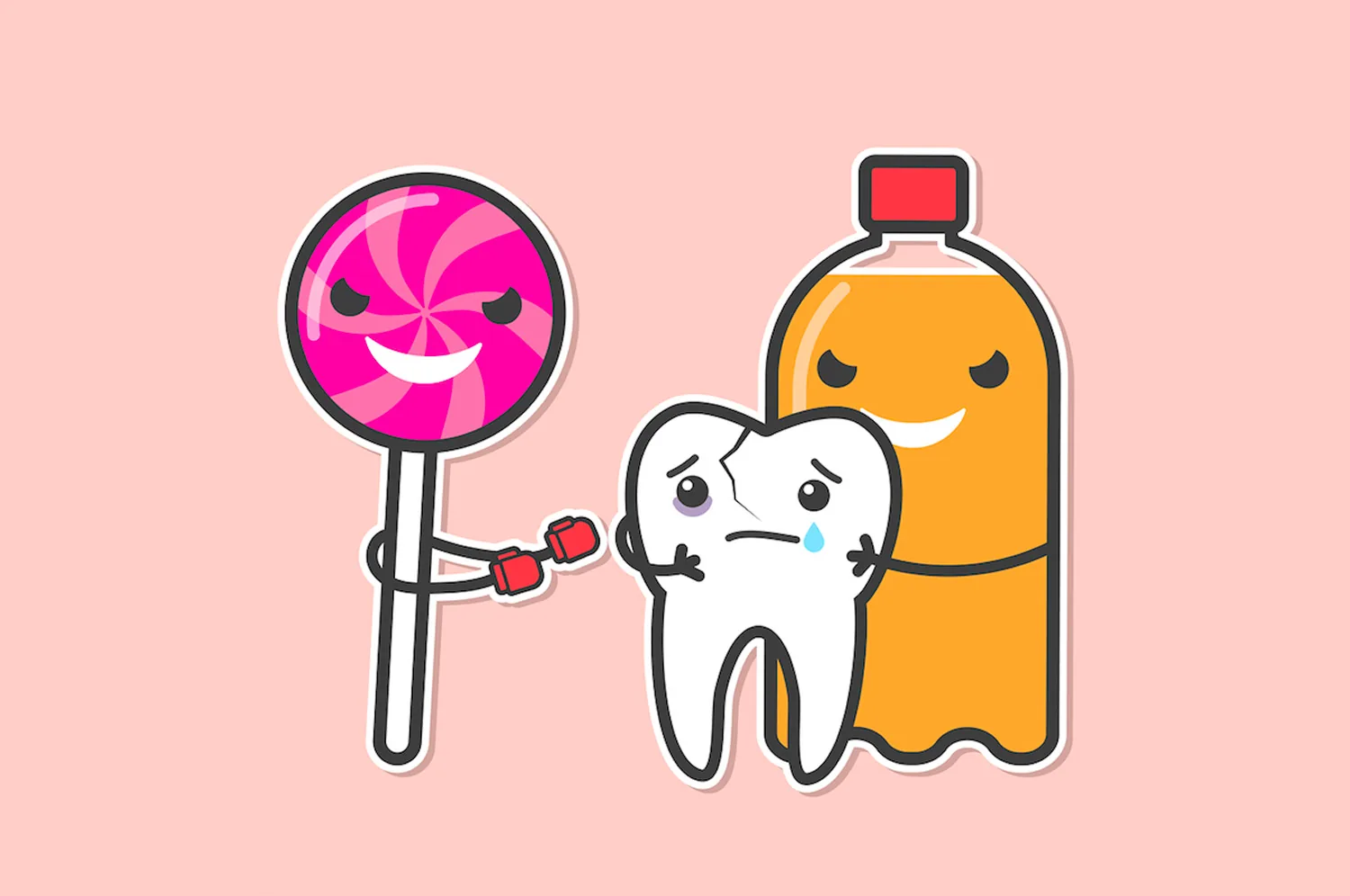
For a healthier smile, stop doing a few everyday things that quietly harm teeth, like chewing ice, sipping soda and skipping floss. Small changes make a big difference. Here are the habits to drop and what to do instead.
Good dental health is not only about what you do. It is also about what you stop doing. Many of the cracked teeth, cavities and gum problems we see at Southern York Smile Care in Shrewsbury, PA start with ordinary habits that seem harmless. The good news is that most are easy to change once you know about them.
Habits that damage enamel
Chewing sugared gum all day
Gum with sugar bathes your teeth in sugar for as long as you chew, feeding the bacteria that cause decay. Chewing for hours on end can also tire your jaw muscles and stress dental work such as bridges and crowns. If you like to chew gum, choose a sugar-free gum, ideally one sweetened with xylitol, and chew it for a short time after meals. That can actually help by increasing saliva.
Sipping soda, sports drinks and energy drinks
These drinks combine sugar with acid, which makes them very good at wearing away enamel. Diet versions avoid the sugar but are still acidic. The longer you sip, the longer your teeth are under attack. If you drink them, have them with a meal, use a straw, and rinse with water afterward. Our article on hidden sugar shows other places sugar turns up.
Grazing all day
Each snack restarts the acid cycle in your mouth. Constant grazing never gives saliva time to repair the enamel. Try to keep snacks to set times and choose tooth-friendly options like cheese, nuts and crunchy vegetables.
Habits that crack and chip teeth
Chewing ice and hard candy
Enamel is the hardest substance in your body, but ice and hard candy are hard too. Head to head, sometimes they win, and the result is a chipped or cracked tooth. Teeth with large fillings are especially at risk. Popcorn kernels, fruit pits and hard pretzels can do the same. Let ice melt, save hard candy for rare treats you let dissolve, and chew carefully around anything with a hidden hard piece. Our article on how to protect teeth from cracks has more tips.
Using your teeth as tools
Opening packages, tearing tape, cracking nuts or holding pins in your teeth can chip enamel and stress the jaw. Keep scissors and a bottle opener handy instead. Our article don't use your teeth as tools has more on this.
Biting nails and chewing pens
These habits wear the edges of front teeth, can shift teeth slightly over time, and bring germs into your mouth. A bitter nail coating or keeping your hands busy can help break the habit.
Ignoring clenching and grinding
Many people grind their teeth at night without knowing it. Signs include morning jaw soreness, headaches, worn or flattened teeth and a partner who hears grinding. Over time, grinding can crack teeth and wear them down. A custom night guard protects your teeth while you sleep. Learn more about NG bite guards and TMJ and TMD treatment, or read do you grind your teeth while you sleep?
Cleaning habits to change
Skipping floss
Brushing cleans only part of each tooth. Plaque and food packed between teeth stay put unless you floss or use another between-teeth cleaner. That is where many cavities and gum problems begin. Floss once a day, or try a water flosser if string floss is hard for you.
Using a hard-bristled brush
Firm bristles and heavy pressure can wear enamel near the gumline and push gums back, exposing sensitive roots. A soft-bristled brush cleans just as well when used gently. Save your firm brush for scrubbing grout.
Brushing right after acidic food
Acid softens enamel for a little while. Brushing straight away can scrub some of it off. After citrus, soda, wine or vinegar, rinse with water and wait about 30 minutes before brushing.
Keeping a worn-out toothbrush
Frayed bristles do not clean well. Replace your brush or brush head every three to four months, and let it air dry between uses.
Lifestyle habits that affect your mouth
Smoking and vaping
Tobacco stains teeth, dries the mouth, slows healing and raises the risk of gum disease and oral cancer. Vaping can also dry the mouth and irritate the gums. If you use tobacco, regular oral cancer screenings are especially important. Southern York Smile Care screens with ViziLite, a blue dye rinse and OralCDX. See our oral cancer screening page.
Not drinking enough water
Saliva protects your teeth by washing away food and neutralizing acid. When you are dehydrated, that protection drops. Keep water handy through the day, especially if you take medications that cause dry mouth.
Putting off checkups
Many dental problems do not hurt until they are advanced. A small cavity can be fixed with a simple tooth-colored filling. Left alone, it may need a crown or root canal later. Gum disease is the same: it is easier to treat early. Do not wait for pain before you book an exam and cleaning.
At Southern York Smile Care, every cleaning is a full 60 minutes. Digital X-rays use up to 90% less radiation than older film, and tools such as DIAGNOdent help find decay early. Learn more on our dental cleanings page. If a habit has already caused damage, restorative dentistry can repair chipped, cracked or decayed teeth, and a mercury-free office means fillings are tooth-colored and BPA-free.
Small changes, healthier smile
You do not have to change everything at once. Pick one habit to work on this month, then add another. Here is a simple daily routine to build toward:
- Brush for two minutes in the morning and at night with a soft brush and gentle pressure.
- Clean between your teeth once a day with floss or a water flosser.
- Drink water through the day and keep sweet or acidic drinks to mealtimes.
- Choose sugar-free gum, and chew it briefly after meals.
- Keep ice, pens and packaging out of your mouth.
- Wear a night guard if you grind, and a mouthguard for contact sports.
- Keep your regular checkups, even when nothing hurts.
Your teeth, your gums and your wallet will thank you. For more ideas, read 7 steps for a healthy smile.
Schedule your next cleaning and exam
Dr. Steven Haywood, DDS, and the team are here to help you keep your smile healthy for life. Southern York Smile Care is at 4 S. Main St in Shrewsbury, PA, and serves York, southern York County and northern Baltimore County, MD. Call (717) 235-3871 or request an appointment.

DDS cum laude 1987, US Air Force residency, NYU cosmetic training and Fellow of the International Congress of Oral Implantologists, with 35+ years in practice.
Meet Dr. Haywood → Mouthwash Facts and Dental Health in Shrewsbury PA
 4 Oral Ailments to Discuss with your Dentist
 Bad Breath Treatment at Southern York Smile Care