
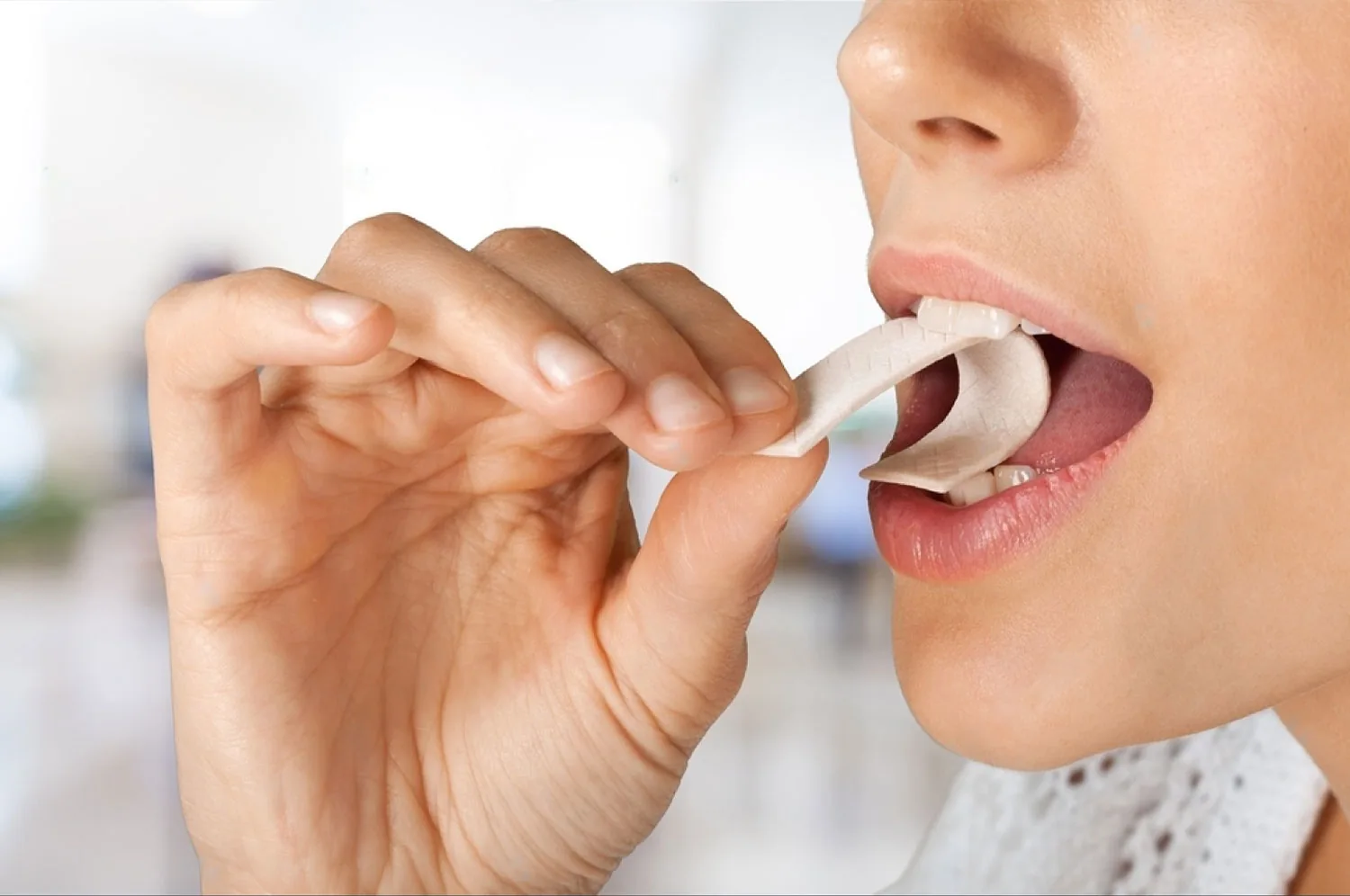
To chew or not to chew? Gum can freshen your breath, but whether it helps or harms your teeth depends on what sweetens it. Sugar-free gum can protect teeth after meals. Dr. Steven Haywood of Southern York Smile Care in Shrewsbury, PA, explains what to look for and who should skip gum.
Hello, gum chewers. Today we are talking about that small piece of gum in your mouth. You know it freshens your breath. But can it really help protect your smile from cavities? The answer depends on the type of gum you choose and how you use it.
Sugar gum vs. sugar-free gum
Chewing any gum gets your saliva flowing and can help loosen bits of food from your teeth. With regular sugar-sweetened gum, though, that benefit is wiped out by the steady stream of sugar washing over your teeth while you chew. The bacteria in plaque feed on that sugar and make acid, which softens enamel and leads to cavities. Chewing sugary gum all afternoon keeps your teeth under acid attack for hours.
Sugar-free gum is a different story. Without sugar to feed the bacteria, chewing simply boosts saliva, and saliva is one of your mouth's best natural defenses.
How chewing sugar-free gum helps your teeth
Research shows that chewing sugar-free gum for about 20 minutes after eating can help prevent tooth decay. Here is why:
- More saliva. Chewing can increase saliva flow many times over. Saliva rinses away food and helps wash acid off the teeth.
- Acid control. Saliva contains natural buffers that bring the mouth back toward a neutral, safe level more quickly after a meal.
- Repair. Saliva carries calcium and phosphate, minerals that help repair early weak spots in enamel.
- Fresher breath. More saliva and less food debris mean fewer odor-causing bacteria.
The American Dental Association gives its Seal of Acceptance to some sugar-free gums that have shown these benefits in studies. Look for the seal on the package.
What makes xylitol special
Many sugar-free gums are sweetened with xylitol, a natural sugar alcohol found in small amounts in some fruits and plants, often made from birch or corn. Xylitol has fewer calories than sugar, and it has a special benefit for teeth.
The main bacteria that cause cavities cannot use xylitol for energy the way they use sugar. Research suggests that regular xylitol use may reduce the levels of these bacteria and how well they stick to teeth, which means less plaque and less acid. That is why many dentists suggest gum with xylitol listed as the first ingredient.
Other sugar-free sweeteners, such as sorbitol, also avoid feeding cavity-causing bacteria, though xylitol has the most research behind it for dental benefits.
A note for dog owners
Xylitol is very dangerous for dogs, even in small amounts. Keep gum, mints and any xylitol products where pets cannot reach them. If your dog eats xylitol, call your veterinarian right away.
When gum is a good idea
Sugar-free gum is a handy helper when you cannot brush. A pack in your bag or car makes it easy to:
- Chew a piece after eating out, at work or while traveling
- Freshen your breath after coffee
- Ease a dry mouth, which is common with many medications
- Curb the urge to snack between meals
Dry mouth is more than uncomfortable. Without enough saliva, teeth decay faster. Our article on why dry mouth is dangerous explains more.
Gum is not a replacement for brushing
Chewing gum helps, but it does not remove the plaque stuck to your teeth or the food caught between them. Brushing twice a day for two minutes and cleaning between your teeth once a day are still the most important things you can do. Think of sugar-free gum as a bonus step for times when brushing is not possible, not a substitute.
Your regular check-ups matter too. Cleanings at Southern York Smile Care are a full 60 minutes, so the team can remove hardened tartar and check for early problems. See our preventive dentistry page.
Who should go easy on gum
Gum is not for everyone. You may want to limit it or skip it if you have:
- Jaw pain or TMJ problems. Constant chewing can tire and strain the jaw muscles and joints. If your jaw clicks, aches or locks, give it a rest and have it checked. Our TMJ and TMD treatment page explains common causes.
- A habit of grinding or clenching. Chewing all day adds to the wear.
- Loose dental work. Sticky gum can pull on a loose crown or temporary filling.
- Clear aligners. Take your aligners out before chewing gum, since gum sticks to them.
- Stomach sensitivity. Large amounts of sugar alcohols can cause bloating or loose stools.
Young children should not chew gum because of the choking risk. If you are unsure whether gum is a good idea for you, ask at your next visit.
Other ways to protect your teeth when you can't brush
Gum is one tool. A few other simple habits help between brushings:
- Rinse with water. Swishing water after a meal or a sweet drink washes away food and sugar.
- End a meal with cheese. Cheese helps balance acid and adds calcium.
- Choose crunchy vegetables. Carrots, celery and apples get saliva flowing.
- Keep sweets with meals. Grazing on sugar all day keeps teeth under acid attack for hours.
- Sip water, not soda. Soda, sports drinks and sweet coffee drinks coat teeth in sugar and acid.
Our post on hidden sugar lists foods that surprise many people.
Gum and children
For older children who can chew gum safely, sugar-free gum after lunch can be a helpful habit, especially for kids who wear aligners or snack often. Teach children to throw gum away in the trash and never swallow it. For younger children, focus on brushing, healthy snacks and regular checkups instead. Our children's dentistry page has more tips for families.
How to pick the right gum
- Choose sugar-free gum, ideally with xylitol listed first.
- Look for the ADA Seal of Acceptance.
- Chew for about 20 minutes after meals and snacks, then throw it away.
- Avoid gums with sugar, corn syrup or honey near the top of the ingredient list.
- If you use other products such as xylitol mints or rinses, keep total daily amounts moderate.
Have questions about your smile?
Dr. Haywood is happy to answer questions about daily care, cavity prevention and any changes you have noticed in your teeth. Southern York Smile Care also offers cosmetic dentistry, dental implants and sedation dentistry. Call (717) 235-3871 or request an appointment online. The office is at 4 S. Main St in Shrewsbury, PA, and serves patients from Shrewsbury, York, southern York County and northern Baltimore County, MD.

DDS cum laude 1987, US Air Force residency, NYU cosmetic training and Fellow of the International Congress of Oral Implantologists, with 35+ years in practice.
Meet Dr. Haywood →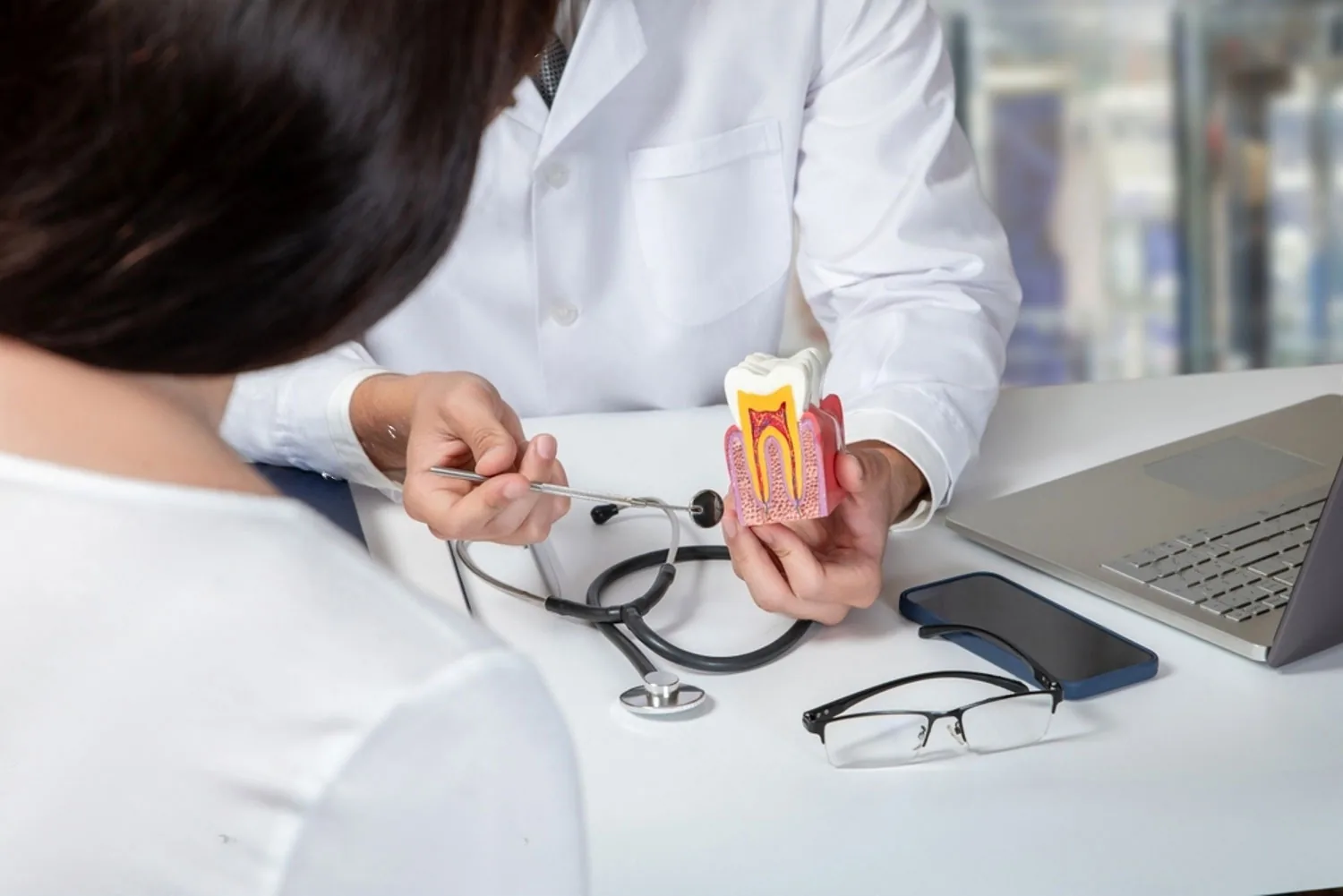 Dr. Steven W. Haywood: Calming Root Canal Fears
 Less Is More in Dentistry
 Been a While Since You’ve Visited a Dentist?