

Southern York Smile Care treats canker sores, lesions and fever blisters, some of the most common reasons people call about a sore mouth. Most heal on their own, but some need care. Dr. Steven Haywood explains how to tell them apart, what helps and when a sore needs a closer look in Shrewsbury, PA.
Mouth sores can make eating, drinking and even talking painful. Many are simply annoying and go away in a week or two. Others are contagious, and a few are signs of a more serious problem. Knowing which is which helps you treat a sore properly and know when to call.
Canker sores
Canker sores, also called aphthous ulcers, are among the most common mouth sores. They are small, round or oval sores with a white or yellow center and a red border. They appear inside the mouth: on the inner cheeks and lips, under the tongue or at the base of the gums. They are not contagious.
What causes canker sores?
The exact cause is not fully understood, but common triggers include:
- Stress or lack of sleep
- A small injury, such as biting your cheek, a sharp tooth edge or brushing too hard
- Acidic or spicy foods, such as citrus, tomatoes and pineapple
- Toothpastes and rinses that contain sodium lauryl sulfate
- Hormone changes
- Low levels of iron, vitamin B12, folate or zinc
- Food sensitivities
How canker sores are treated
Most minor canker sores heal on their own within one to two weeks. To ease the pain while they heal:
- Rinse with salt water or a baking soda rinse a few times a day.
- Avoid spicy, acidic, salty and crunchy foods until the sore heals.
- Use a soft-bristled toothbrush and a gentle toothpaste without sodium lauryl sulfate.
- Try an over-the-counter numbing gel or a protective paste.
For painful or long-lasting sores, Dr. Haywood can recommend a protective dental paste that coats the sore, relieves pain and guards against infection. If a sharp tooth or rough filling keeps causing sores, smoothing it can stop them from coming back.
Canker sores that keep coming back, are unusually large or take more than two weeks to heal can sometimes point to another health problem, such as a vitamin deficiency, celiac disease or an immune condition. In that case, talk with your dentist and your doctor.
Fever blisters (cold sores)
Fever blisters, also called cold sores, are caused by the herpes simplex virus. They usually appear on or around the lips as small, fluid-filled blisters that break open, crust over and heal in about one to two weeks. Many people feel tingling, itching or burning a day or so before the blisters appear.
Once you have the virus, it stays in your body and can flare up from time to time. Common triggers include colds and fevers, stress, sun exposure, hormone changes and a weakened immune system.
Cold sores are contagious
Unlike canker sores, cold sores spread easily, especially while the blisters are open. To protect others and yourself:
- Avoid kissing and sharing cups, utensils, towels and lip balm during an outbreak.
- Do not touch or pick at the blisters, and wash your hands often.
- Keep the sore away from your eyes.
- Be especially careful around babies, pregnant women and people with weak immune systems.
How cold sores are treated
Cold sores usually heal on their own. Antiviral creams and prescription antiviral medicines can shorten an outbreak, especially when started at the first tingle. Sunscreen lip balm can help prevent sun-triggered outbreaks. Open sores can sometimes become infected, so watch for spreading redness, pus or fever. The team can advise you on the best way to manage cold sores.
Cold sores and dental visits
If you have an active cold sore, call before your appointment. Stretching the lips during treatment can irritate the sore and may spread the virus, so it is often best to reschedule routine care until it heals.
Other mouth lesions
Not every sore is a canker sore or cold sore. Other common lesions include:
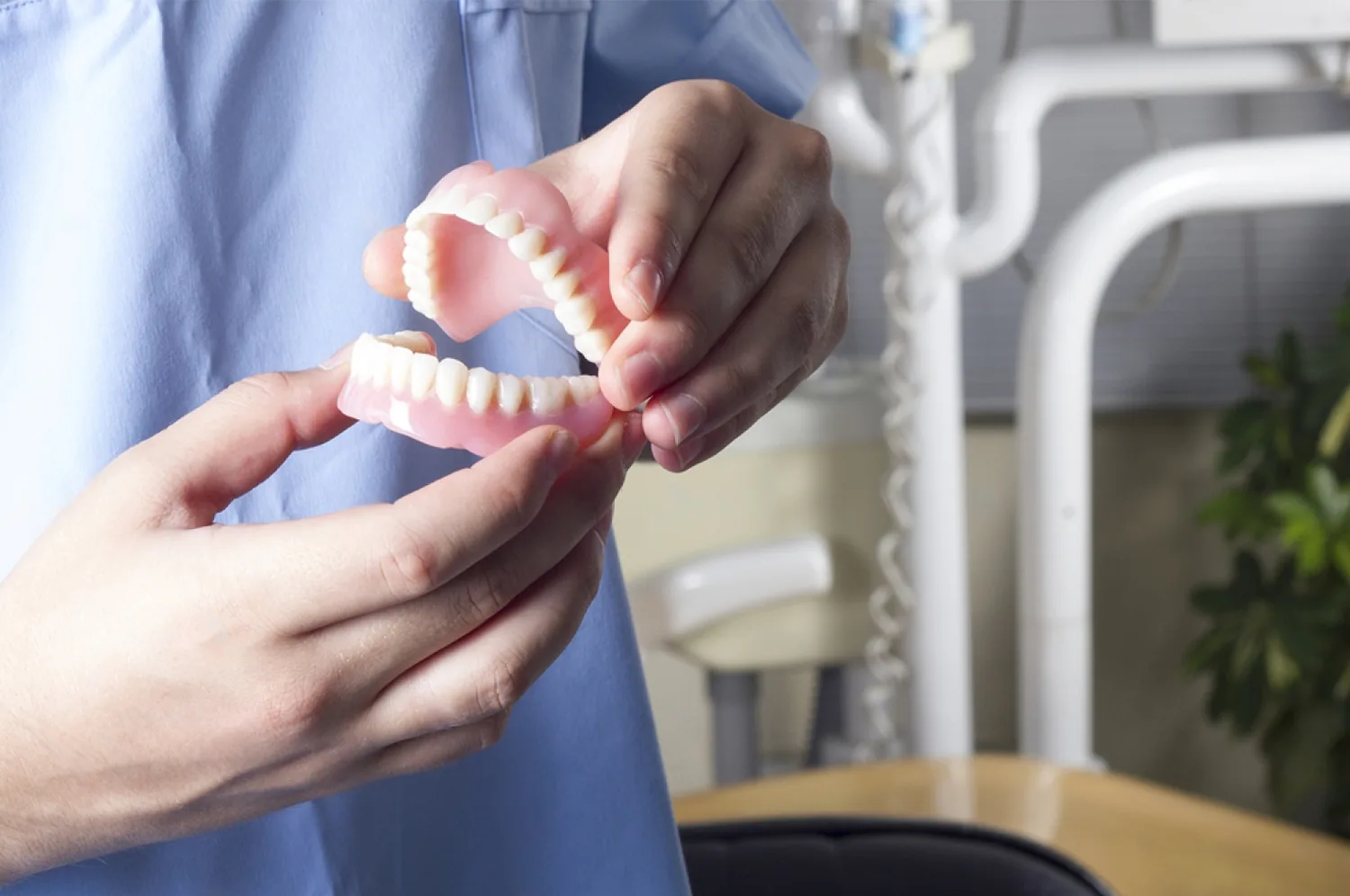
- Oral thrush, a fungal infection that causes creamy white patches, often in denture wearers, babies, people with diabetes and people using inhaled steroids or antibiotics
- Leukoplakia, thick white patches that cannot be wiped away, often linked to tobacco use and sometimes pre-cancerous
- Lichen planus, lacy white lines or red, tender patches on the inner cheeks
- Denture sores, from a denture that rubs or no longer fits
Our post on stomatitis covers mouth inflammation in more detail, and our article on oral ailments to discuss with your dentist lists other common problems.
When a mouth sore needs a closer look
Oral cancer can also start as a sore or patch in the mouth or throat. Found early, it is far easier to treat. See your dentist if you notice:
- A sore, lump or patch that lasts longer than two weeks
- White or red patches that do not go away
- An unusually large sore, or many sores at once
- A sore that bleeds easily or does not heal
- Numbness, a lump in the neck, trouble swallowing or a lasting sore throat
Dr. Haywood screens for oral cancer at every check-up. When a spot needs a closer look, Southern York Smile Care uses ViziLite, a blue dye rinse and OralCDX, a brush test that collects cells from the area for lab testing. Learn more on our oral cancer screening page and in our article what you need to know about oral cancer.
What to expect when you come in
If you call about a mouth sore, the team will ask how long it has been there, whether it hurts and whether you have had similar sores before. At your visit, Dr. Haywood looks closely at the sore and the tissues around it, checks for sharp teeth or rough fillings nearby and asks about your health and medications. The intraoral camera can show you a close-up of the area on a screen, and a photo makes it easy to compare at a follow-up visit. Most sores can be identified on the spot, and you will leave with a clear plan for relief.
Preventing mouth sores
- Eat a well-balanced diet with plenty of fruits, vegetables and whole grains.
- Drink plenty of water to keep your mouth moist.
- Do not smoke or use tobacco.
- Brush gently with a soft brush and clean between your teeth daily.
- Manage stress and get enough sleep.
- Use sunscreen lip balm outdoors.
- Keep your regular cleanings. Cleanings at the office are a full 60 minutes and include a check of your soft tissues. See our dental cleanings page.
Get help for a sore mouth
If a mouth sore is painful, keeps coming back or has not healed in two weeks, have it checked. Call Southern York Smile Care at (717) 235-3871 or request an appointment. The office is at 4 S. Main St in Shrewsbury, PA, and serves patients from Shrewsbury, York, southern York County and northern Baltimore County, MD.

DDS cum laude 1987, US Air Force residency, NYU cosmetic training and Fellow of the International Congress of Oral Implantologists, with 35+ years in practice.
Meet Dr. Haywood → 4 Oral Ailments to Discuss with your Dentist
 Bad Breath Treatment at Southern York Smile Care
 10 Terrific Tooth Tips From Southern York Smile Care