
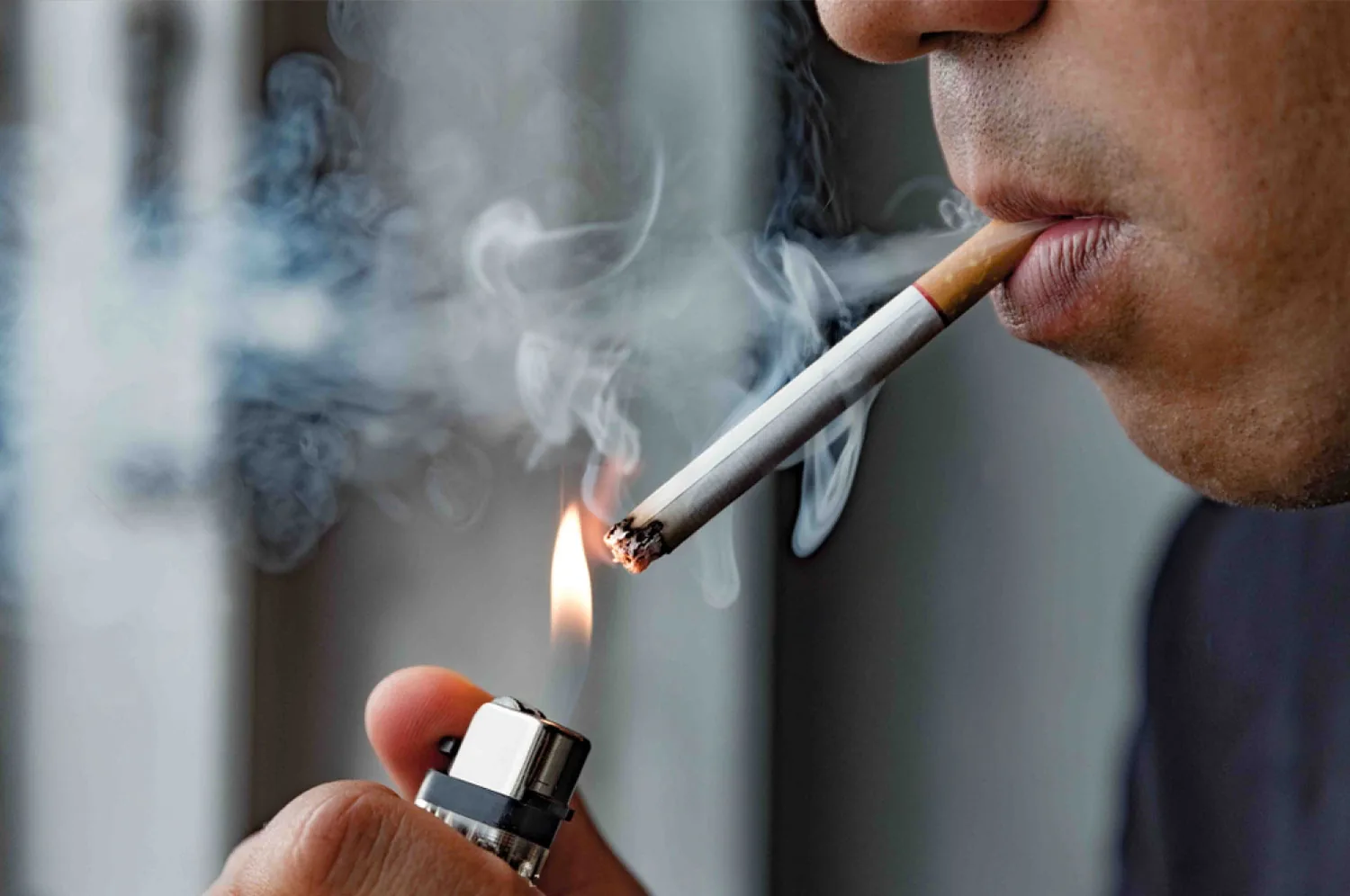
What you need to know about oral cancer: it's often painless early on, and a quick screening at your checkup can help catch it. Oral cancer can affect the lips, tongue, cheeks, gums, floor of the mouth and throat. This guide covers the risk factors, the warning signs and how screening works at Southern York Smile Care in Shrewsbury.
What Is Oral Cancer?
Oral cancer is cancer that starts in the tissues of the mouth or the back of the throat. It most often begins as a small patch, sore or lump that doesn't heal. Because early changes rarely hurt, many people don't notice them. By the time pain, numbness or trouble swallowing shows up, the disease may be more advanced and harder to treat.
That's the main reason screening matters. Research shows that oral cancers found early are much easier to treat than those found late. Your dentist looks inside your mouth more closely and more often than almost anyone else, which puts the dental office in a good position to spot changes early.
Who Is at Risk?
Anyone can develop oral cancer, including people with none of the usual risk factors. Still, some things raise the odds:
- Tobacco use. Cigarettes, cigars, pipes, chewing tobacco and snuff are all linked to oral cancer.
- Heavy alcohol use. Alcohol raises risk on its own, and the risk is higher still when it's combined with tobacco.
- HPV infection. Certain strains of human papillomavirus are linked to cancers at the back of the mouth and throat, including in younger adults who don't smoke.
- Sun exposure. Years of sun on the lips can lead to lip cancer. Lip balm with sunscreen helps.
- Age. Risk rises with age, though younger people can be affected too.
- A past history of oral cancer or certain precancerous patches.
If any of these apply to you, regular screenings are especially important. If none apply, screenings still matter, because oral cancer doesn't only happen to people who smoke or drink.
Warning Signs to Watch For
Most mouth sores are harmless and heal within a week or two. A good rule of thumb is to have any change checked if it lasts longer than two weeks. Watch for:
- A sore, ulcer or irritation that doesn't heal.
- A white or red patch on the gums, tongue, cheeks or floor of the mouth.
- A lump, thickening or rough spot in the mouth or on the neck.
- Pain, tenderness or numbness in the mouth or lips.
- Trouble chewing, swallowing or moving your jaw or tongue.
- A sore throat or hoarse voice that lingers.
- A change in how your teeth or dentures fit together.
These signs don't mean you have cancer. Many have simple causes, like a sharp tooth edge or a canker sore. But only an exam can tell the difference. Our article on canker sores, lesions and fever blisters covers some of the more common, harmless mouth sores.
How Oral Cancer Screening Works
A screening is quick, painless and usually part of a routine checkup. At Southern York Smile Care, Dr. Steven Haywood and the team use a careful visual and hands-on exam along with extra tools that help spot changes the eye might miss.
The visual and physical exam
Your dentist looks at your lips, cheeks, gums, tongue, the roof and floor of your mouth and the back of your throat. They also gently feel your jaw and neck for lumps or swelling.
ViziLite and blue dye rinse
ViziLite is a special light that helps abnormal tissue stand out during the exam. A blue dye rinse can also be used to highlight areas that may need a closer look. Both are simple and comfortable.
OralCDX brush test
If a spot looks suspicious, the OralCDX brush test collects a small sample of cells with a gentle brush. No cutting or stitches are needed. The sample goes to a lab for analysis, and the results show whether the area needs further care.
You can learn more on our oral cancer screening page.
Lowering Your Risk
You can't control every risk factor, but you can control some of them:
- Quit tobacco in every form. Your doctor can help you find a plan that works.
- Limit alcohol.
- Protect your lips from the sun with a balm that has sunscreen.
- Ask your doctor about the HPV vaccine for yourself or your children.
- Eat plenty of fruits and vegetables.
- Check your own mouth once a month in a mirror with good light.
- Keep up with checkups. Regular visits mean any change gets seen sooner.
Your screening fits easily into your regular visit. Cleanings at Southern York Smile Care are a full 60 minutes, which leaves time for a careful exam. Learn more about dental cleanings and preventive dentistry.
How to Check Your Own Mouth at Home
A monthly self-check takes about two minutes and helps you notice changes between visits. Stand in front of a mirror with good light and follow these steps:
- Lips. Pull your lower lip down and your upper lip up. Look for sores, color changes or lumps.
- Cheeks. Pull each cheek out with a finger and look at the inside. Gently feel for lumps between your thumb and finger.
- Gums. Look along the gums above and below your teeth for red or white patches.
- Tongue. Stick your tongue out and look at the top, then each side. Lift the tip to see underneath.
- Floor and roof of the mouth. Look under your tongue and tip your head back to see the roof of your mouth.
- Neck. Feel along both sides of your neck and under your jaw for lumps or tender spots.
If you wear dentures, take them out before you check. Sore spots under a denture can also mean it no longer fits well. If you find anything unusual that doesn't go away within two weeks, call your dentist. Bring a note of when you first noticed it.
What Happens If Something Is Found
Most findings turn out to be harmless. If a test shows an area of concern, your dentist will explain the result in plain language and help you with next steps. That may mean watching the spot, a follow-up visit or a referral to a specialist for further testing and care. You won't be left guessing.
Dr. Haywood has more than 35 years in practice and is a Fellow of the International Congress of Oral Implantologists. You can read more about the doctor on the meet the doctor page.
Schedule Your Screening in Shrewsbury
If you've noticed a sore or patch that won't heal, or it's simply been a while since your last checkup, call Southern York Smile Care at (717) 235-3871 or request an appointment. The office is at 4 S. Main St in Shrewsbury and sees patients from York, southern York County and northern Baltimore County.
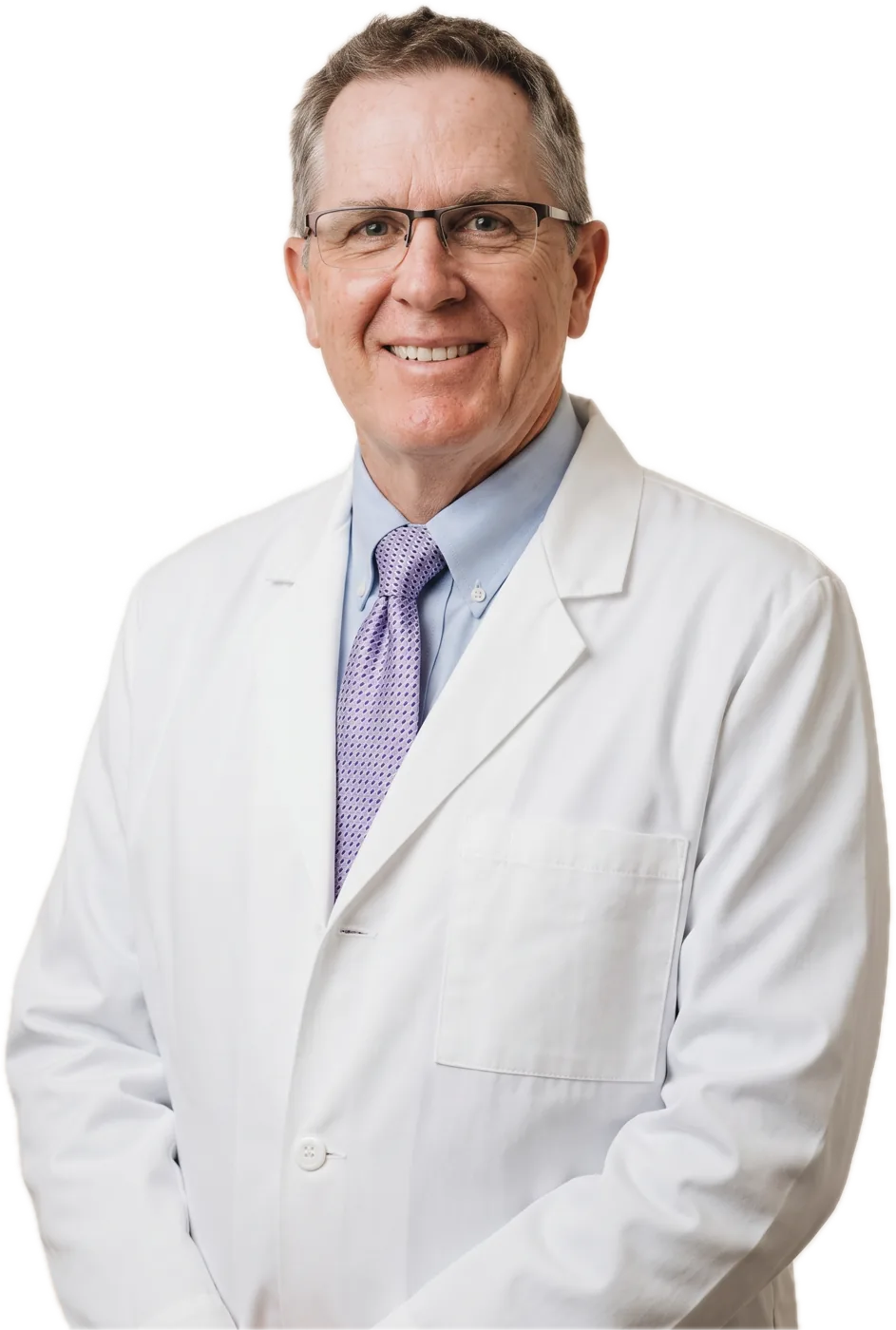
DDS cum laude 1987, US Air Force residency, NYU cosmetic training and Fellow of the International Congress of Oral Implantologists, with 35+ years in practice.
Meet Dr. Haywood →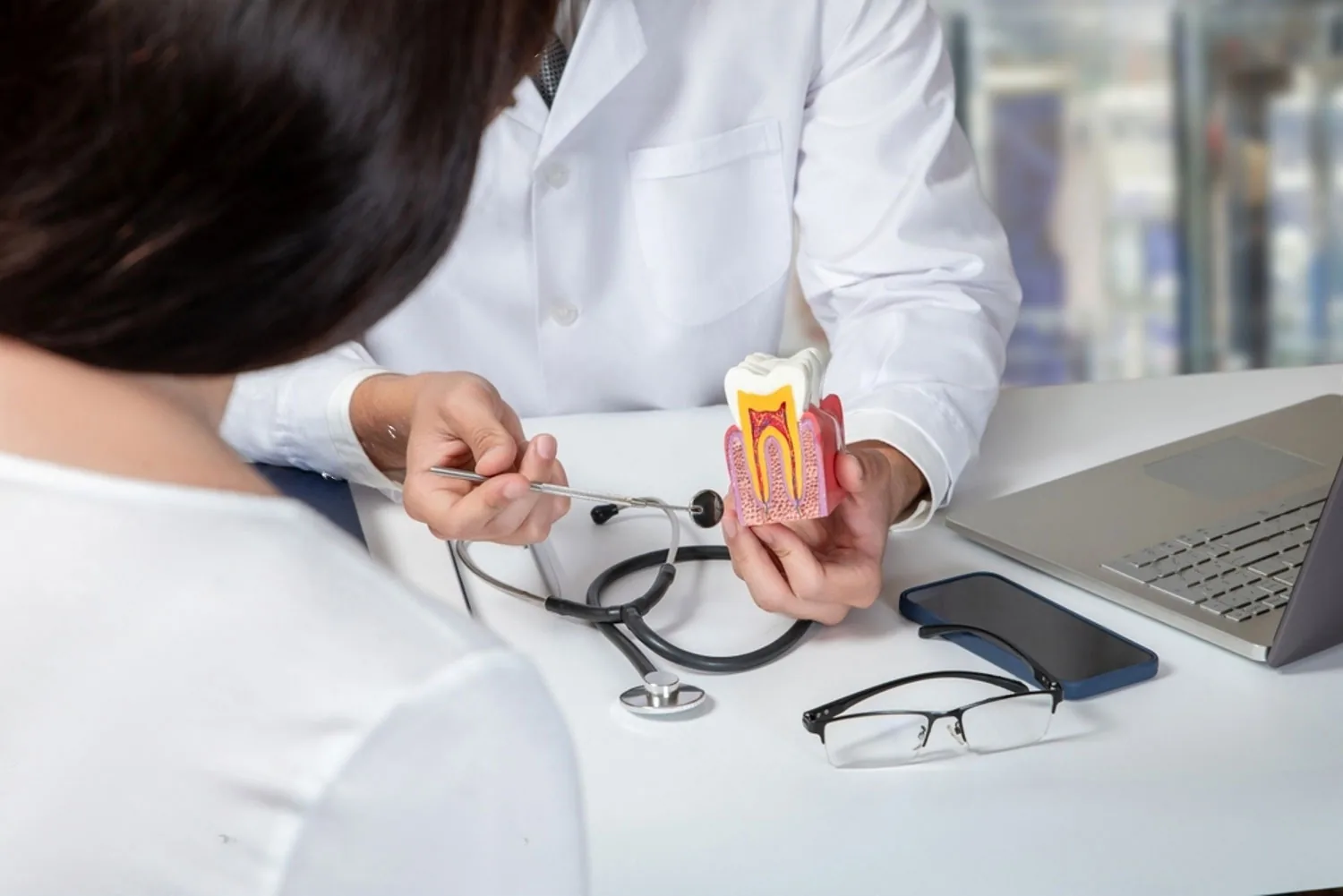 Dr. Steven W. Haywood: Calming Root Canal Fears
 Less Is More in Dentistry
 Been a While Since You’ve Visited a Dentist?