

Dental implants are one of the great achievements in dentistry, giving people a new tooth that looks, feels and works like their own. At Southern York Smile Care in Shrewsbury, PA, Dr. Steven Haywood places and restores implants for patients missing one tooth, several teeth or a full arch.
An implant is an artificial tooth root placed in the jawbone to replace a missing root. It then supports a new tooth, a bridge or a denture. This article looks at where implants came from, why they changed dentistry, and what getting one is like today.
A thousand-year-old idea
People have tried to replace missing teeth for a very long time. Archaeologists have found ancient jaws with carved shells and stones set where teeth used to be, some of them well over a thousand years old. The idea of putting a new root into the jaw is not new at all.
What changed was the science. In the 1950s, researchers discovered that bone can grow tightly against titanium and bond to it. This process is called osseointegration. It became the foundation of modern dental implants. In the decades since, implant design, materials and planning tools have improved steadily, and implants are now a standard, well-studied way to replace teeth.
Why implants changed dentistry
Before implants, the main choices for a missing tooth were a bridge or a removable partial denture. Both still have their place. But implants solved problems that older options could not.
They work like a natural tooth
An implant is anchored in bone, just like a natural root. You can bite and chew with confidence. There is nothing to take out at night, and nothing to slip when you talk or laugh.
They help protect the jawbone
When a tooth is lost, the bone that held it no longer gets the pressure from chewing that keeps it strong. Over time, that bone slowly shrinks. This can change the shape of your face and make it harder to replace the tooth later. An implant gives the bone something to support again, which helps prevent this loss.
They leave neighboring teeth alone
A traditional bridge needs the teeth on either side of the gap to be shaped for crowns. An implant stands on its own, so healthy neighboring teeth can stay untouched. For a side-by-side look, read Dental Bridge vs. Dental Implant.
Titanium is well tolerated by bone
Most implants are made of titanium, a strong, light metal that bone accepts very well. It fuses with the jaw so firmly that the implant becomes a stable part of your mouth. If you are curious about other materials, see Ceramic vs. Titanium Implants.
What implants can replace
Implants are flexible. Depending on how many teeth are missing, they can support different kinds of new teeth.
- One missing tooth. A single tooth implant with a custom crown. A missing front tooth needs special care for a natural look; see front tooth implant.
- Several missing teeth in a row. An implant bridge uses two or more implants to hold several teeth.
- Loose dentures. Snap-on implant teeth clip onto implants so the denture stays put.
- A full arch. All-on-4 dental implants hold a full set of fixed teeth on four implants.
Regular dentures can cost less up front. But because they sit on the gums, many people find them loose and unreliable, and they can make it harder to enjoy food. Implant-supported teeth stay in place, so these problems are largely solved.
Getting an implant today
Modern tools make implant treatment more precise and predictable than ever. At Southern York Smile Care, the process usually looks like this:
- Consultation and 3D scan. A Green CT 3D cone beam scan shows the bone in detail, including its height, width and nearby nerves and sinuses. The iTero Element 3D scanner captures your teeth digitally.
- Planning. The implant's position is planned on the computer. With guided implant surgery, a custom guide helps place the implant exactly where it was planned.
- Bone grafting, if needed. If the bone is too thin, dental bone grafting can rebuild it first.
- Placement. The implant is placed with numbing. Oral sedation is available if you feel nervous.
- Healing. The bone grows around the implant over a few months.
- Your new tooth. A custom crown, bridge or denture is attached, matched to your smile.
Dr. Haywood is a Fellow of the International Congress of Oral Implantologists, completed an advanced residency with the US Air Force and has more than 35 years in practice.
Many patients are surprised by how manageable implant placement is. Most people feel some soreness and mild swelling for a few days, which over-the-counter pain relievers usually handle. Soft foods are best at first. Many people return to work the next day. During healing, you may wear a temporary tooth so you are not left with a gap. The team will give you clear instructions for each stage and is a phone call away if you have questions.
Who is a good candidate?
Most healthy adults who are missing teeth can be considered for implants. Good candidates generally have healthy gums, enough bone or the option to graft, and a willingness to care for the implant daily. Smoking and uncontrolled diabetes can slow healing and raise the risk of problems, so be sure to share your full health history. Even people who were told years ago that they could not have implants may have options today. Newer techniques, such as bone grafting and mini implants, have opened the door for many patients with thin bone. A consultation and 3D scan are the only way to know for sure.
Caring for your implant
An implant cannot get a cavity, but the gums around it can still become inflamed. Brush twice a day, clean around the implant daily with floss or small brushes, and keep your 60-minute dental cleanings. If you grind your teeth, a night guard protects your implant crown. With good care, implants are built to last for many years.
The office is out of network with every insurer. You pay at the visit and the office files the claim for you. CareCredit and Cherry payment plans are available; see the financing page.
Find out if implants are right for you
Dental implants are the closest thing to getting back a natural tooth. To learn more, visit the dental implants page, then call (717) 235-3871 or request an appointment at Southern York Smile Care, 4 S. Main St in Shrewsbury, PA. Patients come from Shrewsbury, York, southern York County and northern Baltimore County. Southern York Smile Care also offers cosmetic dentistry to complete your smile.
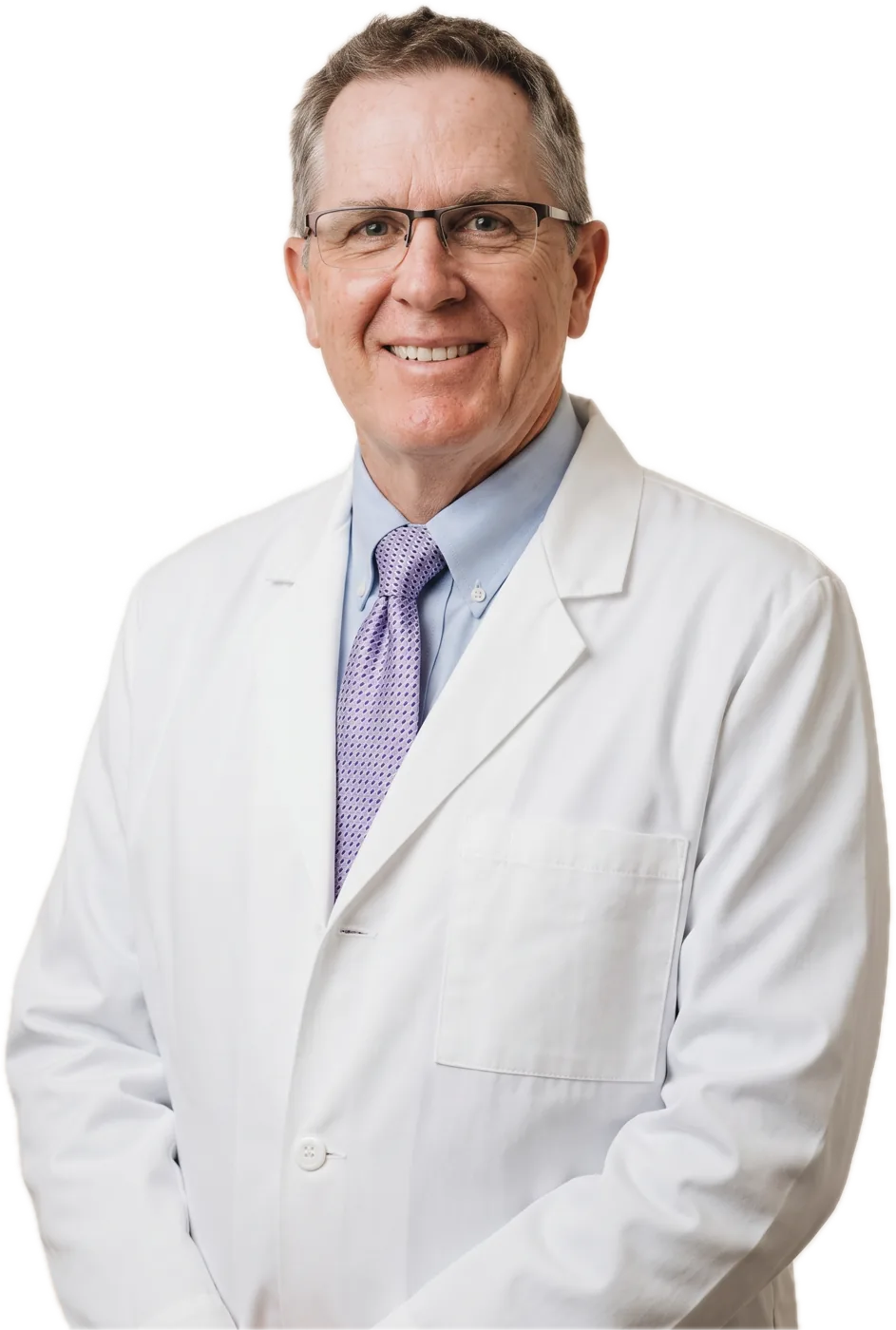
DDS cum laude 1987, US Air Force residency, NYU cosmetic training and Fellow of the International Congress of Oral Implantologists, with 35+ years in practice.
Meet Dr. Haywood → 4 Oral Ailments to Discuss with your Dentist
 Best Practices for a Healthy, Beautiful Smile
 Creating Lifelong Partnerships