
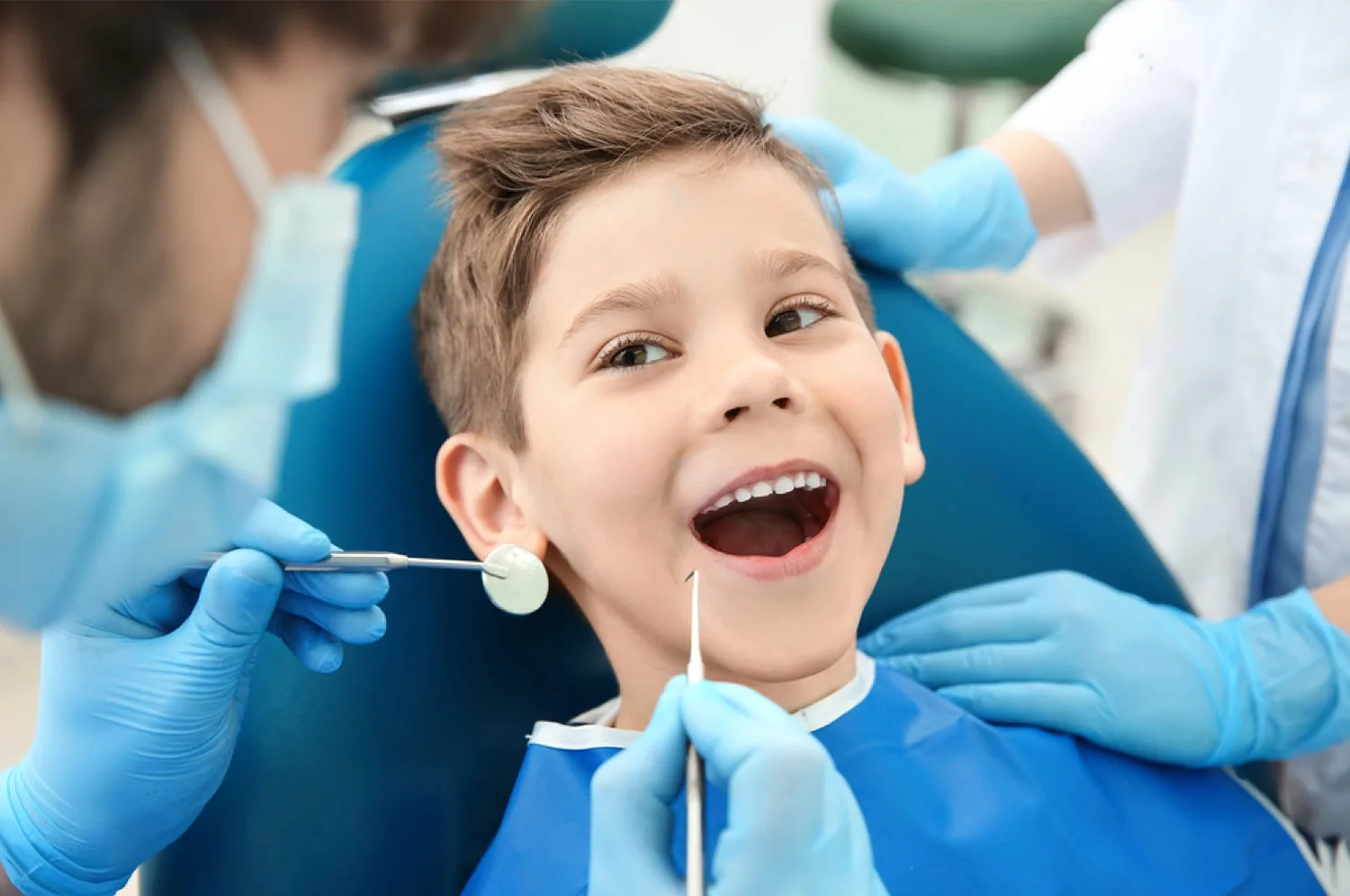
Oral rinses can give Shrewsbury kids an extra measure of protection against cavities once brushing and flossing are already a habit. Used the right way and at the right age, a rinse reaches spots a brush misses. Dr. Steven Haywood of Southern York Smile Care explains which rinses help children, when to start and how to use them safely.
Most parents in Shrewsbury, Stewartstown and across southern York County already know the basics of children's oral health. Limit sugar. Brush twice a day and floss once. Keep snacks to set times. Make sure your child gets enough calcium and vitamin D. And bring your child in for regular exams and cleanings. Is there anything more you can do? For many children, the answer is yes: a daily rinse after brushing.
What an oral rinse does for children's teeth
Tooth enamel is always gaining and losing minerals. When your child eats, bacteria in plaque make acid that pulls minerals out of the enamel. Between meals, saliva puts minerals back. A cavity forms when the losses outweigh the repairs for long enough.
A protective rinse tips the balance back toward repair. It coats the teeth after brushing and leaves minerals behind in the tiny grooves and pits where cavities like to start. This helps in two ways:
- It makes the outer layer of enamel harder for acid to dissolve.
- It can help stop very early soft spots, called demineralization, before they become a hole that needs a filling.
A rinse does not replace brushing or flossing. Think of it as a finishing step that adds protection, not a shortcut.
Fluoride rinses and other choices
Parents today have more than one option, and the right choice depends on your child and your family's preferences.
Fluoride rinses
Fluoride is a mineral that research shows strengthens enamel and helps reverse early decay. The American Dental Association has long supported fluoride for cavity prevention. Over-the-counter fluoride rinses for children are made in lower strengths for daily use. Fluoride in a rinse works on teeth that have already come in, which is why it can add to the protection your child gets from toothpaste.
Remineralizing rinses and pastes
Some families prefer to limit fluoride. Products that contain calcium and phosphate, or hydroxyapatite, also aim to put minerals back into enamel. At Southern York Smile Care, holistic families can choose remineralization varnish at their visits, and families who want fluoride can have it. Dr. Haywood is happy to talk through both so you can decide what fits your child. Our holistic dentistry page explains the approach.
Rinses to skip
Many adult mouthwashes contain alcohol, which stings, dries the mouth and is not safe if swallowed. Cosmetic rinses that only freshen breath do little to prevent cavities. Read the label and choose an alcohol-free product made for children. Our post on mouthwash facts covers what to look for.
What age can kids start using a rinse?
Age matters because young children swallow much of what goes in their mouth. Most rinse labels advise waiting until about age six, when children can reliably swish and spit. Before then, a rinse is not the right tool. Brushing with a tiny smear of toothpaste and regular checkups do the job.
A simple test: if your child can rinse with water for 30 seconds and spit it all out, they are probably ready. If they still swallow water when they rinse, wait a little longer. Your dentist can help you decide at the next checkup.
How to use an oral rinse the right way
A rinse works best when it is the last thing in your child's mouth before bed. That gives the minerals all night to work on the enamel. Here is a simple routine:
- Brush for two minutes and clean between the teeth.
- Pour the amount shown on the label into the cap. Use the cap, not a guess.
- Swish for about 30 seconds, moving the rinse between the teeth.
- Spit it all out. Make sure your child does not swallow it.
- No eating, drinking or rinsing with water for at least 30 minutes, ideally until morning.
Supervise young users and keep the bottle where small children cannot reach it. If your child does swallow a large amount, call your doctor or Poison Control at 1-800-222-1222.
Which kids benefit most from an extra rinse?
Every child is different. A rinse is especially helpful for children who:
- Have had cavities before
- Have deep grooves in their back teeth
- Wear clear aligners or other dental appliances
- Have trouble brushing well, including children with special needs
- Snack often or drink juice and sports drinks
- Have a dry mouth from allergies or medications
For children at higher risk, sealants on the back teeth add another layer of protection. A sealant is a thin coating painted into the grooves of the molars to keep food and bacteria out.
Prevention at the dental office
Home care and office care work together. At each visit, the team cleans away plaque and tartar, checks for early soft spots and looks at how the teeth and bite are developing. Cleanings at Southern York Smile Care are a full 60 minutes, which leaves time for questions and for showing your child how to brush better.
The office uses DIAGNOdent, a laser tool that helps find hidden decay in the grooves of the teeth, and digital X-rays with up to 90% less radiation than older film. When a small cavity does need repair, the office is mercury-free and uses tooth-colored, BPA-free fillings. Air abrasion can often treat small cavities with little or no drilling, which children appreciate. Read more on our children's dentistry and preventive dentistry pages.
Other habits that protect your child's teeth
- Offer water between meals instead of juice or soda.
- Keep sweets with meals rather than as all-day snacks.
- Help with brushing until about age seven or eight, when most children can do a thorough job alone.
- Replace your child's toothbrush every three months.
- Use a mouthguard for sports.
Small habits like these, kept up every day, make the biggest difference over a lifetime. Children copy what they see, so brushing and rinsing alongside your child at night turns the routine into a shared habit rather than a chore. Our article on the benefits of preventive dentistry for kids explains why these early habits pay off for years.
Plan your child's next visit
If you would like help choosing a rinse or want to talk about fluoride and remineralization options, Dr. Haywood and the team are glad to help. Call Southern York Smile Care at (717) 235-3871 or request an appointment for your child. The office is at 4 S. Main St in Shrewsbury, PA, serving families from Shrewsbury, Stewartstown, York and northern Baltimore County, MD.

DDS cum laude 1987, US Air Force residency, NYU cosmetic training and Fellow of the International Congress of Oral Implantologists, with 35+ years in practice.
Meet Dr. Haywood →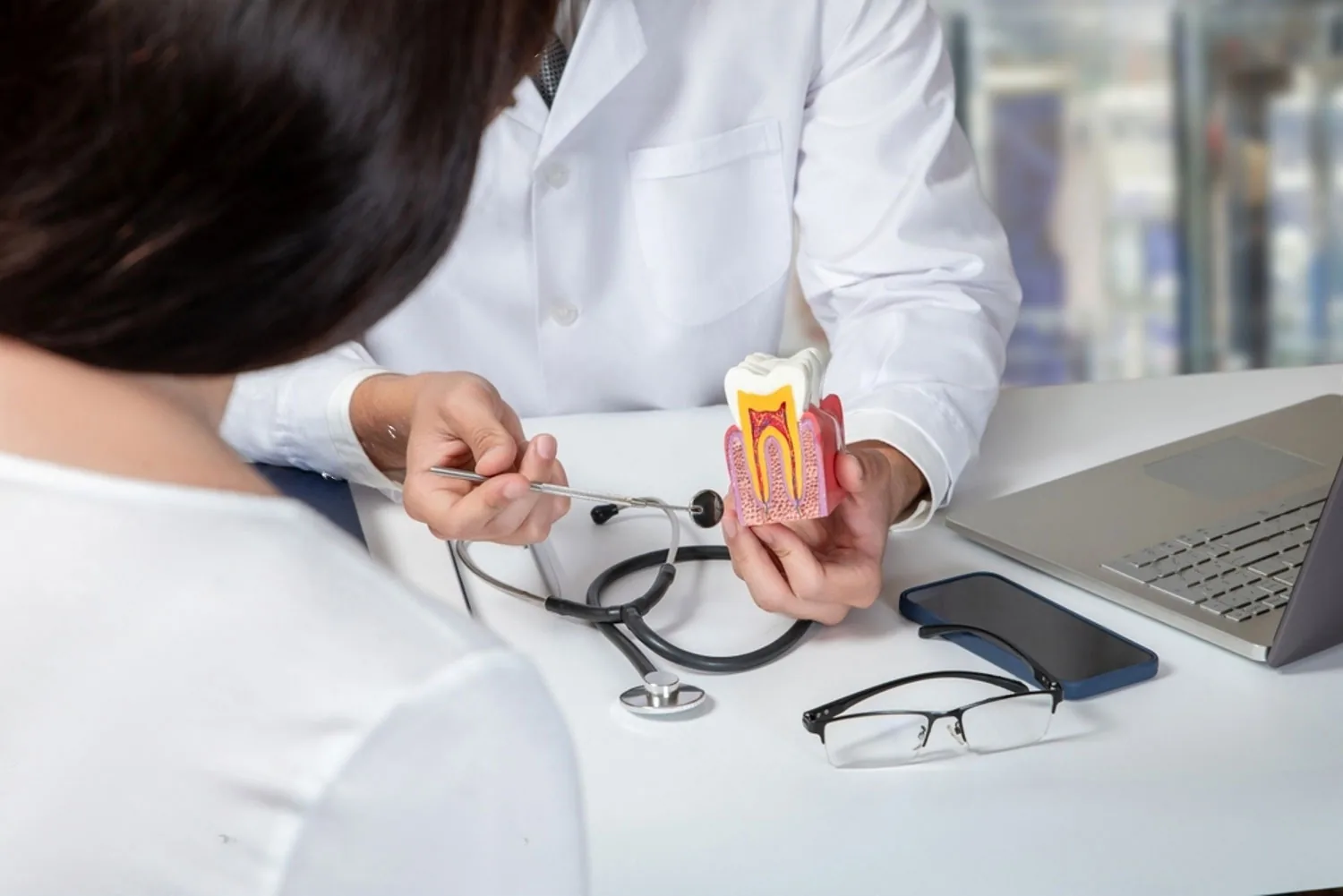 Dr. Steven W. Haywood: Calming Root Canal Fears
 Less Is More in Dentistry
 Been a While Since You’ve Visited a Dentist?