Biological dentistry and biocompatibility are about choosing dental care and materials that work in harmony with the rest of your body. At Southern York Smile Care in Shrewsbury, PA, that means a mercury-free office, metal-free options and gentle care.
Traditional dental care often treats a tooth on its own, as if it were separate from the person it belongs to. A growing number of patients want something more. They want a dentist who thinks about how a filling, a crown or an infection in the mouth affects their overall health. That is the heart of biological dentistry. This article explains what it means, what biocompatible materials are and how Dr. Steven Haywood, DDS, puts these ideas into everyday care.
What is biological dentistry?
Biological dentistry, also called holistic or integrative dentistry, combines modern clinical dentistry with a whole-body point of view. It starts from a simple idea: your mouth is the gateway to the rest of your body. What happens in your teeth and gums can affect your immune system, your heart and your general sense of well-being.
In practice, a biological approach usually means:
- Choosing materials that are as gentle on the body as possible, such as ceramics and tooth-colored composites, rather than metals
- Avoiding mercury fillings and taking care when old ones are removed
- Saving as much natural tooth structure as possible with minimally invasive techniques
- Treating gum disease and hidden infections as whole-body health issues, not just dental ones
- Explaining options clearly so you can make choices that fit your health goals
Biological dentistry is not a separate dental specialty. It is a philosophy that guides how a general dentist plans and carries out care. Our biological dentistry and holistic dentistry pages describe how the practice applies it.
What does biocompatibility mean?
A material is called biocompatible when it can sit in the body without causing harm, irritation or an unwanted reaction. Every dental material placed in your mouth stays there for years, sometimes decades, in constant contact with saliva, gums and the bone around your teeth. So it makes sense to ask how those materials behave over time.
In general, materials such as dental porcelain, zirconia and high-quality composite resins are considered very stable in the mouth. They do not corrode, and they do not conduct electricity the way metals can. Metal restorations, especially when different metals sit near each other, can create tiny electrical currents in the mouth, which some patients notice as a metallic taste or sensitivity.
No material is perfect for every single person, and a few people do react to certain metals or resins. At Southern York Smile Care, the practice focuses on metal-free, mercury-free materials that are widely regarded as gentle and stable, and Dr. Haywood will ask about any allergies or sensitivities you already know about before choosing a material for you.
A mercury-free practice
Silver fillings, also called amalgam, are about half mercury by weight. They have been used for well over a century. Many patients today prefer to avoid them, and the FDA has advised that certain higher-risk groups, such as pregnant women and young children, avoid new amalgam fillings when other options are suitable.
Southern York Smile Care is a mercury-free office. No silver fillings are placed. When a tooth needs a filling, Dr. Haywood uses tooth-colored, BPA-free white fillings that bond to the tooth. Because they bond, they often need less drilling than amalgam, which saves healthy tooth structure. Learn more on our mercury-free dentistry and white dental fillings pages.
What about old silver fillings?
If you have old amalgam fillings, there is no need to panic. Fillings that are intact and causing no problems can often stay in place until they need replacing. If a filling is cracked, leaking or decayed underneath, or if you would simply prefer a metal-free mouth, Dr. Haywood can explain how it would be replaced and what precautions are used during removal to limit exposure to mercury vapor.
Metal-free crowns, veneers and restorations
Many older crowns were made of metal, or of porcelain fused to a metal base. Over time the metal can show as a dark line at the gum. Today, all-ceramic restorations are strong enough for most teeth and look like natural enamel.
- All-porcelain crowns cover and protect a damaged tooth without any metal.
- Porcelain veneers and prepless veneers improve the front of teeth while saving as much enamel as possible.
- Composite bonding repairs chips and small gaps with tooth-colored material.
For patients considering implants, titanium has a long track record, and metal-free ceramic implants are another option some people ask about. Our article comparing ceramic and titanium implants explains the trade-offs.
Gentle, minimally invasive care
Biological dentistry favors keeping your natural teeth healthy and intact. The less tooth that is removed, the stronger the tooth stays. Southern York Smile Care uses tools that support that goal:
- Air abrasion to remove small areas of decay with little or no drilling
- The Picasso laser for gentle soft-tissue care
- DIAGNOdent to help find hidden decay early, while it is still small
- Digital X-rays with up to 90% less radiation than older film
- Oral DNA tests that identify the bacteria behind gum disease, so treatment can be targeted
Prevention is part of this too. Holistic patients can choose remineralization varnish to strengthen enamel, and patients who want fluoride can have it. Cleanings are a full 60 minutes, with time to talk about diet, home care and how your oral health connects to the rest of your health.
The mouth and whole-body health
Research shows that gum disease is linked with several whole-body conditions, including heart disease and diabetes. Inflammation in the gums does not stay in the mouth. Treating gum infections, keeping plaque under control and finding problems early are some of the most important things a biological approach can offer. Our post on regular cleanings and heart health explores that link.
Breathing and sleep matter too. Jaw position, grinding and clenching can affect how well you sleep and how your jaw joints feel. Dr. Haywood looks at your bite as part of the whole picture.
Is biological dentistry right for you?
You might be a good fit if you prefer metal-free materials, want to avoid mercury, have health conditions that make you careful about what goes into your body, or simply want a dentist who explains the reasons behind each choice. Dr. Haywood has more than 35 years in practice and will talk through your options plainly, without pressure.
Schedule a consultation
If you would like your dental care to match your approach to overall wellness, the first step is a conversation. Call Southern York Smile Care at (717) 235-3871 or request an appointment online. The office is at 4 S. Main St in Shrewsbury, PA, and serves patients from Shrewsbury, York, southern York County and northern Baltimore County, MD.
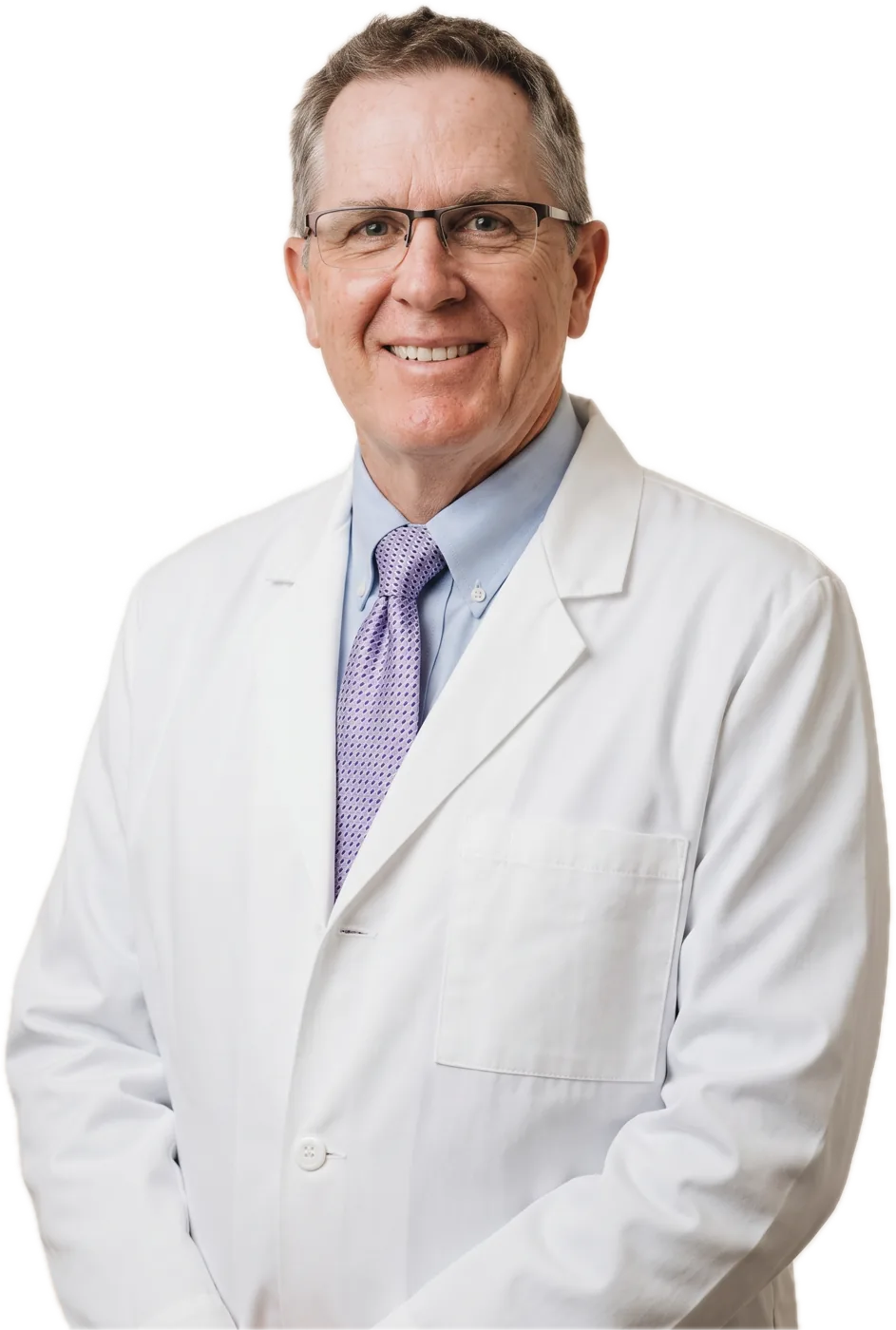
DDS cum laude 1987, US Air Force residency, NYU cosmetic training and Fellow of the International Congress of Oral Implantologists, with 35+ years in practice.
Meet Dr. Haywood → Porcelain Veneers and Instant Orthodontics for Shrewsbury
 4 Reasons to Look for the ADA Seal
 Don’t Use your Teeth as Tools!