

To stay out of the dental danger zone, you need two things: good daily habits and clear, honest information about your teeth and gums. Small problems are easy to fix, while neglected ones are not. Dr. Steven Haywood of Southern York Smile Care in Shrewsbury, PA, believes patient education is one of the best tools a dentist has.
With more than 35 years in practice, Dr. Haywood has seen how much a little knowledge can change. Patients who understand why their teeth need care tend to keep them longer. This guide explains where the danger zone starts, the warning signs to watch for, and the simple habits that keep you out of it.
What is the dental danger zone?
Think of the danger zone as the stretch of time between a small problem and a big one. A tiny cavity, a little gum bleeding or a hairline crack rarely hurts at first. Because nothing hurts, it is easy to ignore. But tooth decay and gum disease keep moving forward quietly.
A small cavity can be fixed with a simple white filling. Left alone, the same cavity can reach the nerve and need a root canal or a crown. Mild gum inflammation can usually be reversed with better cleaning. Left alone, it can turn into gum disease that loosens teeth. The goal is to catch problems while they are still small.
Gum health matters beyond your mouth, too. Research shows links between gum disease and other health problems, including heart disease and diabetes. Doctors are still learning exactly how these conditions affect each other, but keeping your gums healthy is a simple step that supports your overall health. If your gums bleed, are puffy or have pulled back from your teeth, read more about gum disease treatments.
Daily habits that keep you safe
Good dental health depends on good habits. None of these take long, but they add up over a lifetime.
- Brush twice a day for two minutes, using a soft brush and gentle circles. Hard scrubbing can wear down enamel and push gums back.
- Clean between your teeth once a day with floss, small brushes or a water flosser. A toothbrush cannot reach these spaces.
- Drink water through the day, especially after meals or coffee. It rinses away food and acid.
- Watch sugary and acidic drinks. Soda, sports drinks and sweet coffee drinks bathe your teeth in sugar and acid. Sipping them slowly all day is the hardest on teeth.
- Don't use your teeth as tools. Opening packages or bottles with your teeth is a common way to chip them.
- Don't smoke or vape. Tobacco raises the risk of gum disease and oral cancer.
For more ideas, see 7 Steps for a Healthy Smile.
Warning signs you may be in the danger zone
Your mouth often gives early hints that something is wrong. Call your dentist if you notice any of these:
- Gums that bleed when you brush or floss
- Teeth that are sensitive to hot, cold or sweets
- Bad breath that does not go away
- A tooth that feels loose, or a bite that feels different
- A sore, lump or patch in your mouth that has not healed in two weeks
- Jaw pain, headaches in the morning or worn-down teeth, which can point to grinding
- A broken filling, chipped tooth or crown that feels loose
None of these mean the worst. But each one is worth a look, and most are much easier to treat early. Regular exams and 60-minute dental cleanings are how the team spots trouble before you feel it. Each exam includes an oral cancer screening, too.
Why patient education matters
When you need a procedure such as a filling or a crown, you deserve to know why. At Southern York Smile Care, the team takes time to explain each treatment, what it involves, and what your choices are. An intraoral camera shows you pictures of your own teeth on a screen, so you can see the problem for yourself. Digital X-rays, which use up to 90% less radiation than older film X-rays, show what is happening below the surface.
Education does not stop when the treatment ends. Knowing how to care for your teeth afterward is just as important.
After a filling
If you were numbed, wait until the feeling comes back before you eat, so you do not bite your cheek or tongue. Some mild sensitivity to cold for a few days is common. If your bite feels high or the sensitivity gets worse, call the office so the filling can be checked.
After a crown
Treat your crown like a natural tooth. Brush and floss around it every day, paying close attention to the gumline, where decay can start. If you grind your teeth, a night guard protects both your crown and your other teeth. You can learn more on the restorative dentistry page.
After teeth whitening
Your teeth may feel a little sensitive for a day or two after whitening. A toothpaste for sensitive teeth can help. For the first couple of days, go easy on coffee, tea, red wine and other dark foods and drinks, since freshly whitened teeth pick up stains more easily. Your new shade lasts longest when you keep up with your cleanings.
Healthy first, then beautiful
A healthy mouth comes first. But Dr. Haywood also wants every patient to have a smile they are proud to show. Once your teeth and gums are healthy, there are many ways to improve how your smile looks:
- Teeth whitening to brighten dull or stained teeth
- Porcelain veneers to change the shape, size or color of front teeth
- Dental implants to replace missing teeth
- A complete smile makeover when you want to change several things at once
Dr. Haywood completed cosmetic training through the NYU Aesthetic Continuum and is a Fellow of the International Congress of Oral Implantologists. Treatments like whitening and veneers are simple, but they can make a big difference in how you feel about your smile. If you feel anxious about any of this, sedation dentistry with oral sedation can help you relax.
Stay out of the danger zone with a checkup
The easiest way to stay out of the dental danger zone is to keep your regular visits and ask questions. If you live in Shrewsbury, York, southern York County or northern Baltimore County and want a dentist who explains things clearly, the team at Southern York Smile Care would be glad to meet you.
Call (717) 235-3871 or request an appointment at 4 S. Main St in Shrewsbury, PA. Have questions about payment first? The financing page explains how insurance claims, CareCredit and Cherry work.

DDS cum laude 1987, US Air Force residency, NYU cosmetic training and Fellow of the International Congress of Oral Implantologists, with 35+ years in practice.
Meet Dr. Haywood →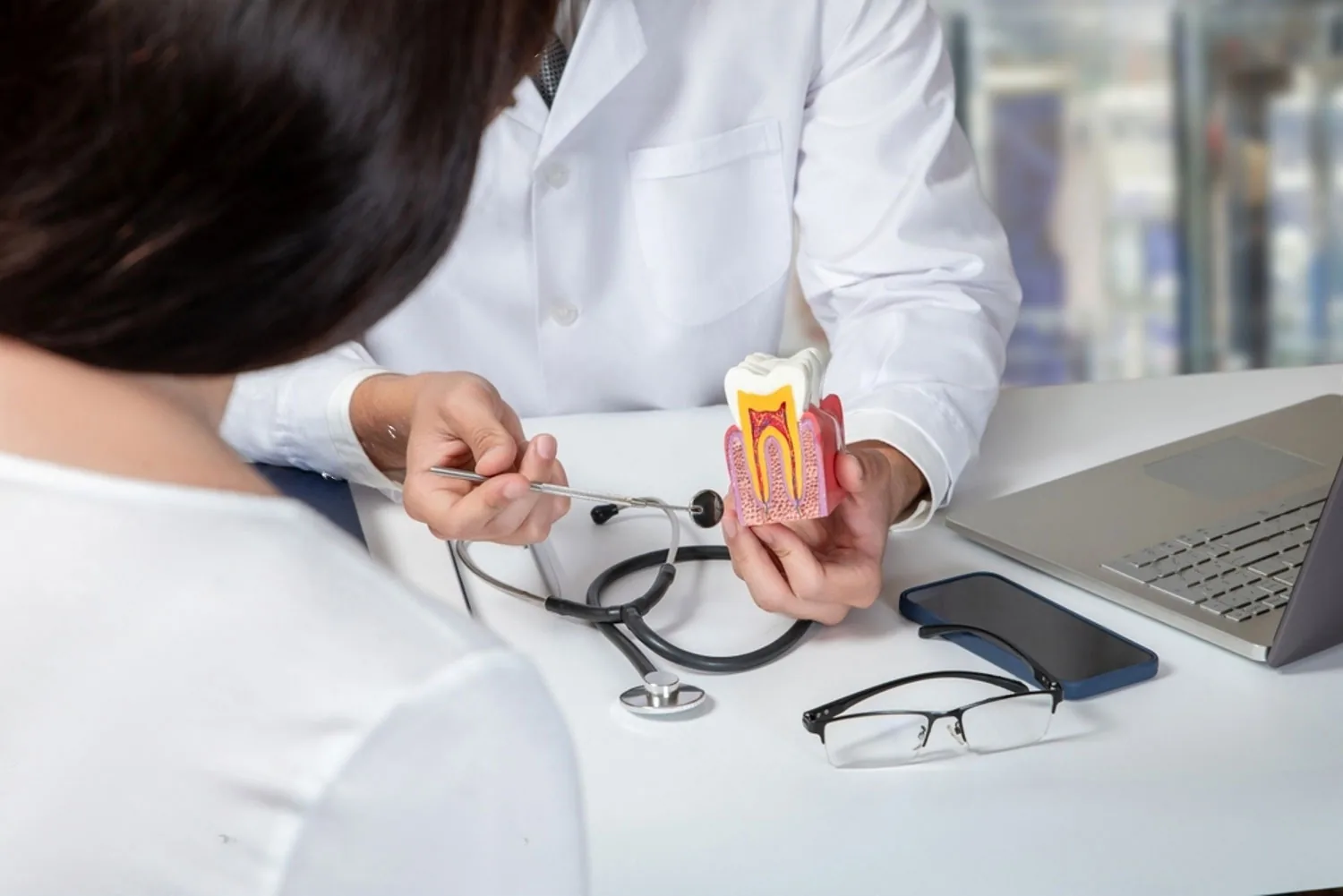 Dr. Steven W. Haywood: Calming Root Canal Fears
 Less Is More in Dentistry
 Been a While Since You’ve Visited a Dentist?