

A new protein for dental implant patients could help jawbone grow back faster, making implants possible for more people with bone loss. At Southern York Smile Care in Shrewsbury, PA, Dr. Steven Haywood follows research like this closely, because enough healthy bone is the key to a lasting implant.
Dental implants are usually the ideal way to replace a missing tooth. But there is one common problem: sometimes the jawbone is too thin to hold an implant. This article explains why bone matters, how bone grafting works today, and what researchers have learned about a protein that helps the body build new bone.
How dental implants work
Unlike a bridge, which rests on the teeth beside a gap, a dental implant is a small titanium post placed into the jawbone. Over a few months, the bone grows tightly around the post and bonds to it. This creates a strong base, much like a natural tooth root. A natural-looking crown is then attached on top.
Because an implant is anchored in bone, it looks, feels and works much like a natural tooth. It also gives the jawbone something to support, which helps keep the bone healthy. Learn more on the dental implants page.
Why bone loss can get in the way
An implant needs enough bone around it, in both height and width, to stay firmly in place. The trouble is that bone tends to shrink after a tooth is lost.
When a tooth is removed, the bone that held its root no longer gets the pressure from chewing that keeps it strong. The body begins to break down that unused bone. This shrinking, called bone resorption, often starts within months of losing a tooth and continues over time. If the loss is large, there may not be enough bone left to hold an implant.
Bone loss can also come from:
- Advanced gum disease, which destroys the bone around teeth
- Years of wearing a denture that presses on the gums
- Infection or injury around a tooth
- Some health conditions and medicines
The good news is that bone loss does not always rule out implants. For more on this, read Can You Get Dental Implants If You Have Bone Loss?
How bone grafting helps today
Dental bone grafting adds bone, or a bone-like material, to the area where it is missing. Over time, your body uses the graft as a framework and grows its own new bone in its place. Once the area has healed, it can support an implant.
Common types of grafts
- Socket grafts. Placed right after a tooth is removed, to help keep the bone from shrinking. See Avoid Bone Deterioration Following Extraction.
- Ridge grafts. Used to rebuild a jaw ridge that has become too thin or too short.
- Sinus lifts. Used in the upper back jaw, where the sinus sits close to the roots, to add bone height.
Bone grafting is usually very effective. Its main drawback is time. New bone has to grow and mature before the implant can be placed or loaded, which can add several months to treatment. That is why researchers have been looking for ways to speed up the process.
The protein that helps grow new bone
Researchers at the Georgia Health Sciences University College of Dental Medicine studied a protein called bone morphogenetic protein, or BMP. BMPs are natural proteins that signal the body to form new bone. In early studies, the team reported that BMP helped new bone form faster than conventional bone grafting.
Findings like this are exciting because they point to a faster way to rebuild bone. Research into how and when to use it, and for which patients, is still going on. Like any treatment, it is not right for every case, and your dentist will weigh the options with you.
Dr. Haywood is pleased at the prospect of more ways to make implants possible for patients with missing teeth and jawbone loss. Each advance like this means fewer people have to settle for a loose denture or a gap in their smile.
It is worth keeping research news in perspective. A promising early study is only the first step. New treatments go through years of testing to show they are safe, that they work, and which patients benefit most. When you read about a new dental breakthrough, a good question to ask your dentist is simple: how does this apply to me, today?
What this means for you now
You do not need to wait for future research to find out if implants can work for you. Today's tools already make implants possible for many people who were once turned away.
- A precise 3D picture of your bone. A Green CT 3D cone beam scan shows exactly how much bone you have and where nerves and sinuses sit.
- Careful planning. With guided implant surgery, the implant's position is planned on a computer and placed with a custom guide, which can help make the most of the bone you have.
- Grafting when needed. If bone is thin, a graft can rebuild it first.
- Other implant options. Mini implants are narrower and may fit where standard implants cannot. All-on-4 dental implants angle some implants to use the strongest bone for a full arch.
Dr. Haywood is a Fellow of the International Congress of Oral Implantologists, completed an advanced residency with the US Air Force and has more than 35 years in practice.
Protecting your bone after tooth loss
If you have just lost a tooth, or need one removed, ask about your options right away. Planning ahead, sometimes with a socket graft at the time of extraction, can help preserve bone and make a future implant simpler. Keeping your gums healthy with daily brushing, cleaning between teeth and regular dental cleanings also protects the bone around your remaining teeth.
The office is out of network with every insurer. You pay at the visit, and the office files the claim so your insurance company can reimburse you. CareCredit and Cherry payment plans are available; see the financing page.
Find out if you are a candidate
If you are missing teeth and have been told you do not have enough bone, it is worth a second look. Southern York Smile Care provides dental implants, bone grafting and other restorative dentistry. Call (717) 235-3871 or request an appointment at 4 S. Main St in Shrewsbury, PA. The office serves Shrewsbury, York, southern York County and northern Baltimore County.

DDS cum laude 1987, US Air Force residency, NYU cosmetic training and Fellow of the International Congress of Oral Implantologists, with 35+ years in practice.
Meet Dr. Haywood →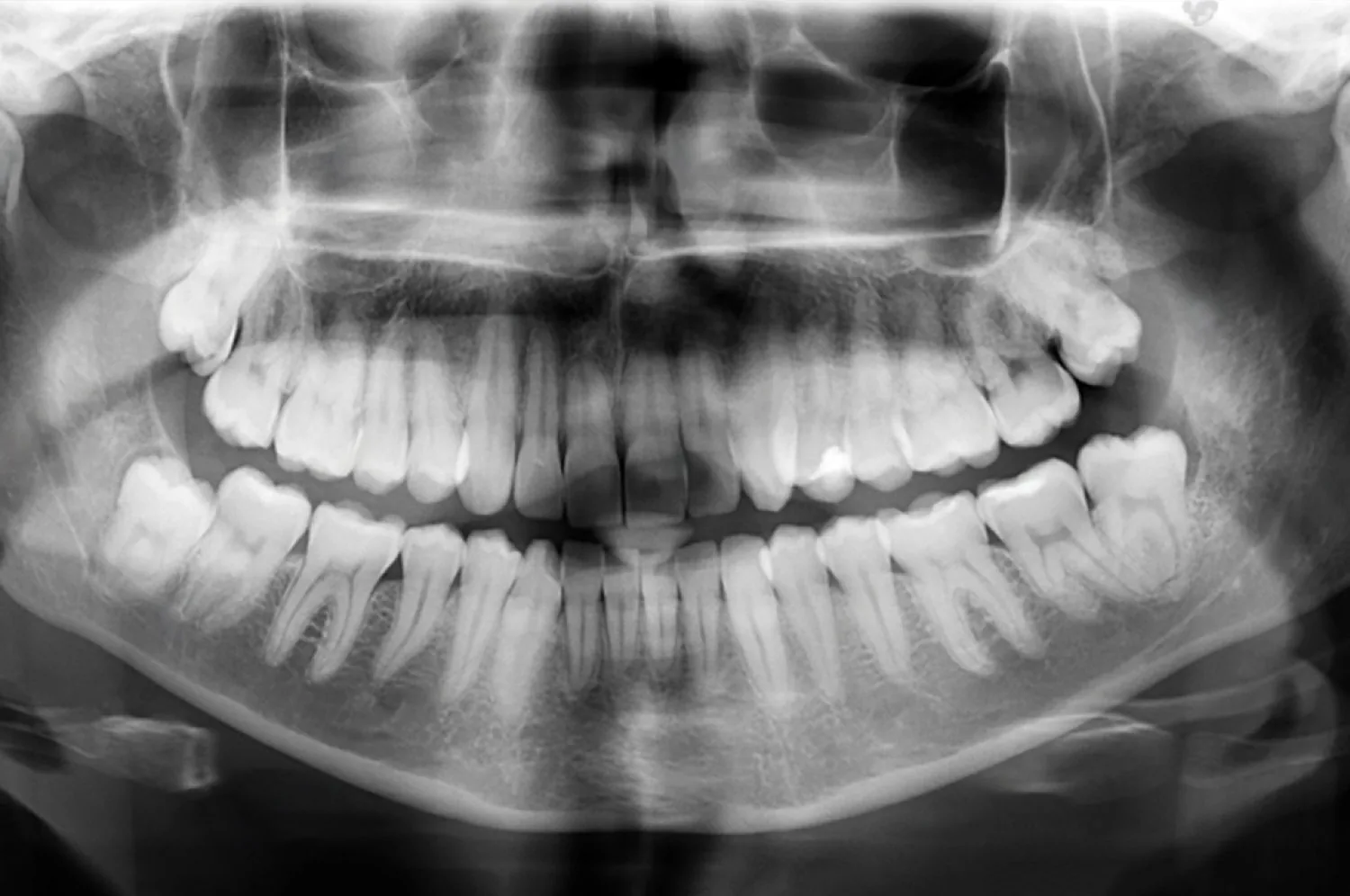 Avoid Bone Deterioration Following Extraction
 You, Only Better
 Looking for a Great Dentist?