
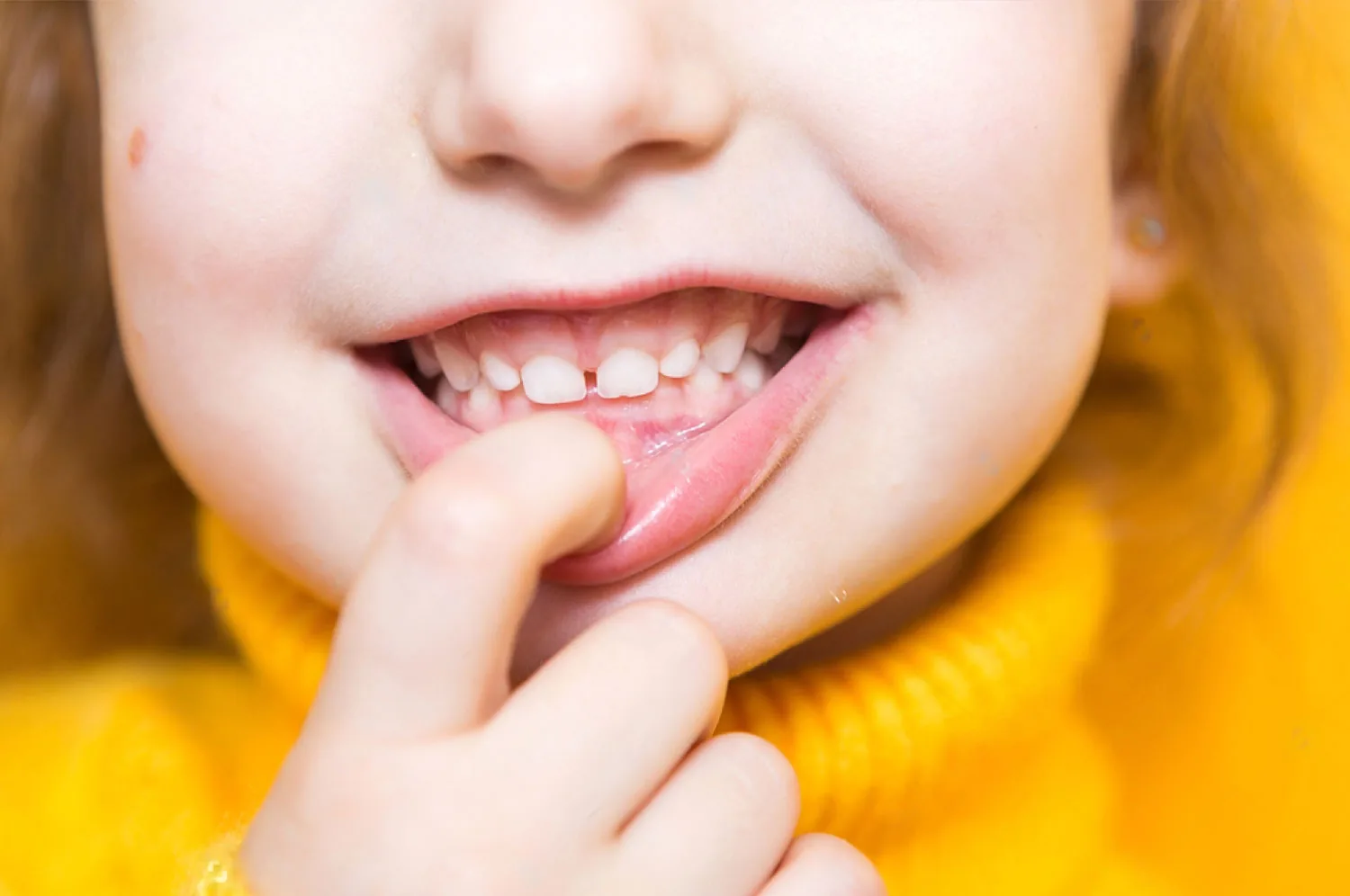
Does your child have an overbite? Upper front teeth that sit far out over the lower teeth are worth an early check by a dentist. Bite problems usually get worse as a child grows, so an early look gives you more choices. At Southern York Smile Care in Shrewsbury, PA, Dr. Steven Haywood checks every child's bite at regular visits so problems are caught early.
Many parents notice something about their child's teeth in photos or at the dinner table and wonder whether it matters. Sometimes it is just a normal stage of growth. Other times it is a bite problem that will affect chewing, speech and the health of the teeth. This guide explains what an overbite is, what causes it, the signs to watch for and how it can be treated.
What is an overbite?
Dentists use the word malocclusion for any bite where the upper and lower teeth do not meet the way they should. The most common types are:
- Overbite: the upper front teeth overlap the lower front teeth too much, either covering them deeply from the front (a deep bite) or sticking out too far ahead of them (often called buck teeth or overjet).
- Underbite: the lower front teeth sit in front of the upper front teeth when your child bites down.
- Crossbite: some upper teeth sit inside the lower teeth instead of outside them. It can affect front teeth, back teeth or both.
- Open bite: the front teeth do not touch at all when the back teeth are closed.
A small amount of overlap is normal and healthy. The upper front teeth are meant to rest slightly in front of the lower ones. An overbite becomes a problem when the overlap is large enough to affect the teeth, gums, jaw or the way your child eats and speaks.
What causes an overbite in children?
Most overbites come from a mix of genetics and habits. The size and shape of the jaws often run in families. If a parent had an overbite, a child is more likely to have one too. An upper jaw that grows forward more than the lower jaw, or a lower jaw that is small, can both create a large overbite.
Habits in early childhood also play a part. Research shows that long-term thumb sucking, finger sucking and pacifier use past the toddler years can push the upper front teeth forward and the lower teeth back. Other contributors include:
- Tongue thrusting, where the tongue pushes against the front teeth during swallowing
- Mouth breathing, often linked to allergies or large tonsils and adenoids
- Crowded or missing teeth that let other teeth drift out of place
- Baby teeth lost too early or kept too long
Why a bite problem matters
An overbite is not only about looks. When teeth do not meet properly, the whole mouth works harder. A bad bite can make chewing, talking and swallowing more difficult. Over time it can also cause problems you cannot see in the mirror:
- Worn or chipped teeth. Teeth that hit at the wrong angle wear unevenly, and front teeth that stick out are more likely to break in a fall.
- Cavities and gum disease. Crooked and crowded teeth are harder to brush and floss, so plaque builds up in places your child misses.
- Gum damage. In a deep bite, the lower front teeth can bite into the gum behind the upper teeth.
- Jaw pain and headaches. An uneven bite can strain the jaw joints and muscles. Our TMJ and TMD treatment page explains how jaw strain shows up.
- Speech. Some children have trouble with certain sounds when the front teeth do not line up.
Children also notice their own smiles. A child who is teased about their teeth may stop smiling in photos or feel shy at school.
Signs your child may have a bite problem
You do not need to be a dentist to spot the early signs. Watch for:
- Upper front teeth that stick out well past the lower teeth
- Lower front teeth that disappear behind the upper teeth when your child bites
- Trouble biting into foods like apples or sandwiches with the front teeth
- Biting the cheek or the roof of the mouth
- Breathing through the mouth most of the time, or snoring
- Thumb or finger sucking after about age four
- Complaints of jaw soreness or clicking
If you notice any of these, mention them at your child's next visit. Bite problems usually get worse as the jaws grow, so checking early gives you the most choices.
When should your child's bite be checked?
Your child's dentist looks at the bite at every checkup, starting when the first teeth come in. The American Dental Association recommends a first dental visit by the first birthday, and regular visits after that. Many bite problems become clear between about ages six and ten, as the permanent front teeth and first molars come in.
At Southern York Smile Care, Dr. Haywood uses digital X-rays, which use up to 90% less radiation than older film X-rays, and the iTero Element 3D scanner to see how your child's teeth and jaws fit together. The scan replaces messy impression trays, which most kids appreciate. Our children's dentistry page explains what a visit with your child looks like.
How overbites are treated
Treatment depends on your child's age, the type of bite problem and how severe it is. The first step is a careful exam. Dr. Haywood diagnoses bite problems in the office and refers to a specialist when a case needs one, so your child gets the right care.
Clear aligners for children and teens
For many children and teens, clear aligners can move teeth into a healthier bite without brackets and wires. Southern York Smile Care does not offer metal braces. Instead, Dr. Haywood is an Elite Invisalign Provider and offers Invisalign Teen, which is designed for growing smiles. The aligners come out to eat and to brush, so your child can keep teeth clean and enjoy normal foods during treatment.
Changing habits early
If thumb sucking or a pacifier is part of the cause, helping your child stop is an important step. Praise, gentle reminders and simple charts often work. Your dentist can suggest ideas that fit your child's age.
Caring for the teeth during treatment
Whatever the treatment, healthy teeth come first. Regular cleanings, a good brushing routine and protection against decay keep the teeth strong while they move. The office uses remineralization varnish for families who prefer a holistic approach and fluoride for families who want it. Learn more on our preventive dentistry page.
Making visits easy for kids
A child who feels safe at the dentist is more likely to keep good habits for life. The team at Southern York Smile Care takes extra time with young patients, explains each step in kid-friendly words and lets children see their own teeth on the intraoral camera screen. Visits stay calm and unhurried, and parents are always welcome to ask questions.
Questions about cost are normal too. The office is out of network with every insurer: you pay at the visit and the team files the claim so your insurance can reimburse you. Kelley Fisher, the Patient Care and Treatment Coordinator, can walk you through it, and Invisalign can be paid monthly after a down payment. See our financing page for CareCredit and Cherry payment plans.
Book your child's bite check
If you think your child may have an overbite, the best time to look is now. Call Southern York Smile Care at (717) 235-3871 or request an appointment online. The office is at 4 S. Main St in Shrewsbury, PA, and families come from Shrewsbury, York, New Freedom and northern Baltimore County, MD.

DDS cum laude 1987, US Air Force residency, NYU cosmetic training and Fellow of the International Congress of Oral Implantologists, with 35+ years in practice.
Meet Dr. Haywood → Dr. Steven W. Haywood: Calming Root Canal Fears
 Less Is More in Dentistry
 Been a While Since You’ve Visited a Dentist?