
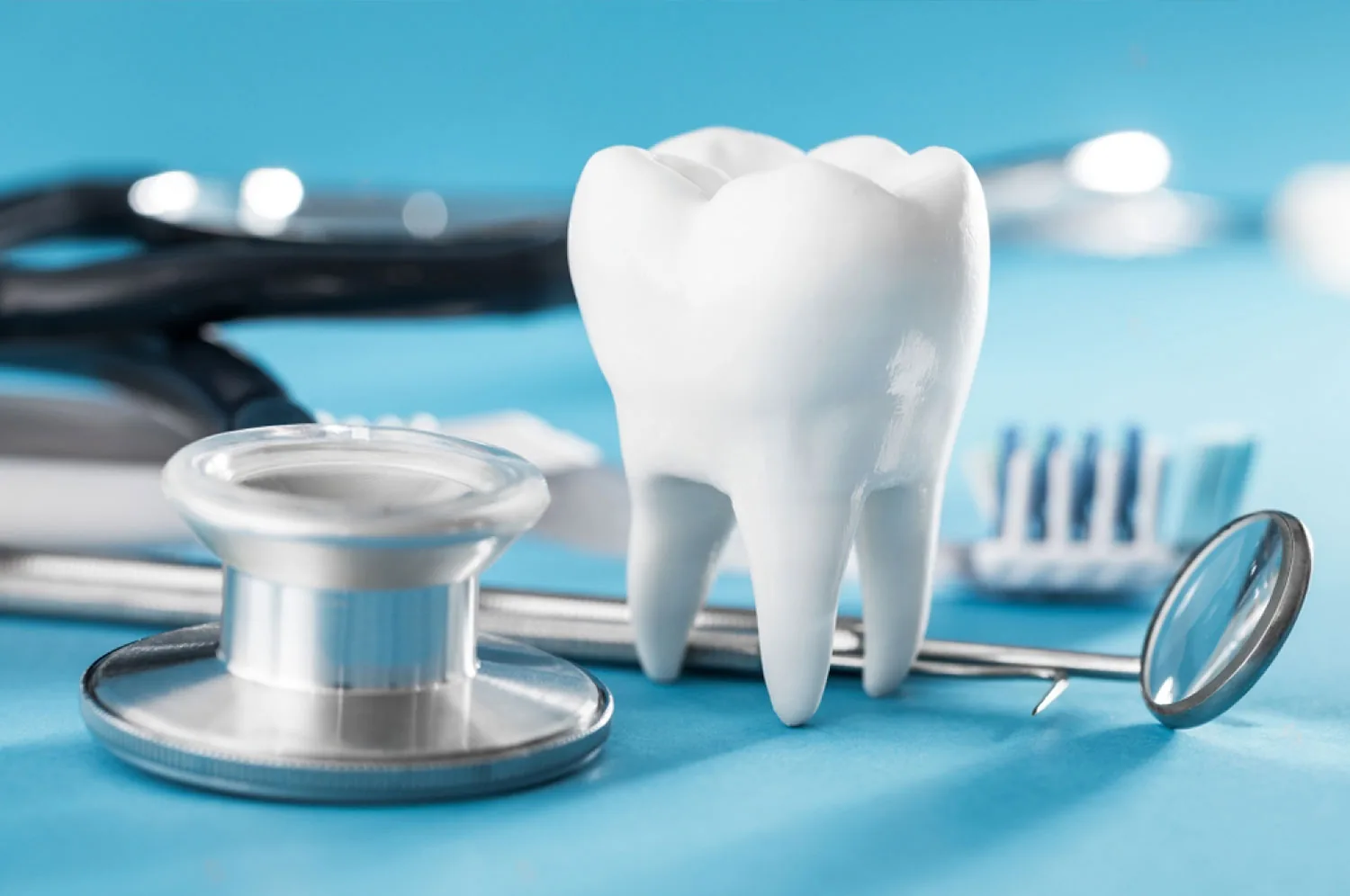
Dental care for ICU patients lowers infection risk, according to a randomized trial of intensive care patients in Brazil. The study is a strong reminder that oral health and general health are connected. At Southern York Smile Care in Shrewsbury, PA, we see ourselves as part of your healthcare team. Here is what the research found and what it means for you and your family.
What the study found
The study was published in 2014 in the journal Infection Control and Hospital Epidemiology and was widely reported, including by ScienceDaily. Researchers compared two groups of adult patients in an intensive care unit (ICU):
- Routine oral care. Patients' mouths were cleaned with gauze and a chlorhexidine antiseptic rinse several times a day.
- Enhanced dental care. A dental professional provided care four to five times a week, based on each patient's needs. It included tooth brushing, tongue scraping, removal of tartar (calculus), simple treatment of cavities, extractions where needed, and chlorhexidine.
Patients who received the enhanced dental care were 56 percent less likely to develop a lower respiratory tract infection during their stay. The lead author, Fernando Bellissimo-Rodrigues, MD, noted that bacteria that cause healthcare-associated infections often start in the mouth. The researchers suggested that having a dentist as part of the ICU team may improve outcomes for vulnerable patients.
As with any single study, the results apply most directly to the kind of patients studied: adults in one hospital's intensive care unit. Still, they fit with a wider body of research showing that good oral care helps protect very ill and elderly patients from pneumonia.
Why the mouth matters for infection
Your mouth is home to many kinds of bacteria. In a healthy mouth, most are harmless and kept in balance by saliva, brushing and cleaning. When oral care slips, harmful bacteria can build up in plaque, tartar, gum pockets and on the tongue.
How bacteria travel to the lungs
People who are very ill may not be able to clean their own teeth. Some are on a ventilator or have trouble swallowing. Small amounts of saliva can be breathed into the lungs, carrying bacteria with them. That can lead to pneumonia, one of the most serious infections in hospital patients.
Why plaque and tartar matter
Plaque is a sticky film of bacteria. If it stays on the teeth, it hardens into tartar, which cannot be brushed away. Tartar and inflamed gums give bacteria a protected place to grow. Removing that buildup lowers the number of bacteria in the mouth.
Oral health and general health are connected
Some people think of oral health as separate from the rest of the body. In fact, the two depend on each other. Research has linked gum disease with other conditions, including heart disease and diabetes. Our article on regular cleanings and heart health explores one of those links.
Dry mouth and medications
Saliva is one of the mouth's best defenses. It rinses away food, neutralizes acids and carries minerals that help repair enamel. Hundreds of common medications can reduce saliva, including some used for blood pressure, allergies, depression and pain. A dry mouth makes decay and gum problems more likely and can make dentures less comfortable. Sipping water, chewing sugar-free gum and telling your dentist about your medications can all help.
Dentures need care too
Dentures do not get cavities, but they can collect plaque and bacteria just like natural teeth. Dentures that are not cleaned each day can irritate the gums and add to the bacteria in the mouth. Remove and clean them daily, rinse after meals, and let your gums rest overnight unless your dentist advises otherwise.
That does not mean a dental cleaning can prevent every illness. It means a healthy mouth removes one source of bacteria and inflammation, which is good for the whole body.
If a loved one is seriously ill
If a family member has serious health problems, you may want to talk with their doctor or care team about oral care. Some practical questions to ask:
- How often are teeth brushed and the mouth cleaned?
- Does the patient wear dentures, and how are they cleaned and stored?
- Is there any dental pain, a loose tooth or a broken tooth that needs attention?
- Can a dental professional be consulted if there are problems?
Caring for someone at home
If you care for someone at home after a hospital stay, gentle daily care helps. Use a soft brush, clean dentures every day, keep the mouth moist, and watch for sores, bleeding or a bad taste. Many medications cause dry mouth, which raises the risk of decay; let the dentist know about any new prescriptions.
When one of our patients faces a serious health issue, Dr. Steven Haywood, DDS, is glad to work with their medical team so their dental health is not overlooked.
Lessons for everyone
This study looked at ICU patients, but the lesson applies to all of us. Consistent professional care and good daily habits protect your mouth and support your overall health.
At home
- Brush twice a day for two minutes with a soft-bristled brush.
- Clean between your teeth every day.
- Brush or scrape your tongue to reduce bacteria.
- Drink water and limit sugary snacks and drinks.
At the dental office
Regular cleanings remove tartar that brushing cannot. At Southern York Smile Care, dental cleanings are a full 60 minutes. If gum disease is present, our gum disease treatments can help, and oral DNA tests can identify the bacteria involved so treatment can be targeted.
Chronic conditions may need more visits
Some manageable chronic conditions, like diabetes, can make gum disease more likely or harder to control. Patients with these conditions may benefit from more frequent exams and cleanings. We will suggest a schedule that fits your health.
Your dental team is part of your healthcare team
We care about your physical, mental and emotional health, not only your teeth. Our holistic dentistry approach looks at how your mouth and body affect each other. Dr. Haywood has more than 35 years in practice and is happy to answer your questions about oral and general health.
If you are looking for a dental home in Shrewsbury, York, southern York County or northern Baltimore County, MD, we invite you to meet Dr. Haywood and the team. Call Southern York Smile Care at (717) 235-3871 or request an appointment at 4 S. Main St, Shrewsbury. Thank you for reading our dental blog.
Source
Bellissimo-Rodrigues WT, Menegueti MG, Gaspar GG, Nicolini EA, Auxiliadora-Martins M, Basile-Filho A, Martinez R, Bellissimo-Rodrigues F. Effectiveness of a Dental Care Intervention in the Prevention of Lower Respiratory Tract Nosocomial Infections among Intensive Care Patients: A Randomized Clinical Trial. Infection Control and Hospital Epidemiology, 2014; 35(11): 1342. DOI: 10.1086/678427.

DDS cum laude 1987, US Air Force residency, NYU cosmetic training and Fellow of the International Congress of Oral Implantologists, with 35+ years in practice.
Meet Dr. Haywood →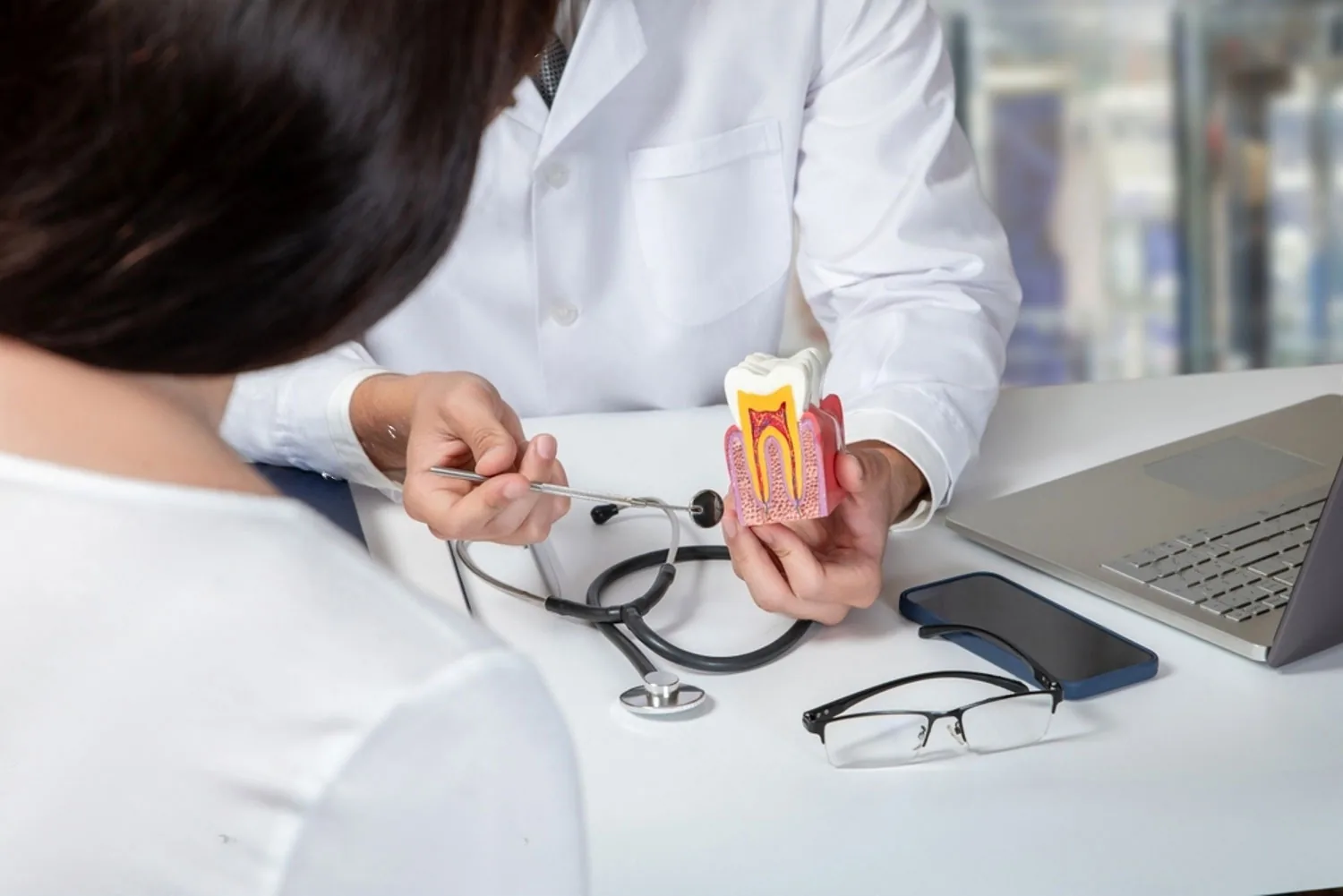 Dr. Steven W. Haywood: Calming Root Canal Fears
 Less Is More in Dentistry
 Been a While Since You’ve Visited a Dentist?