Can you name 9 dental specialties? Most people know a few, but the American Dental Association list is longer than many expect. Here is a plain guide to each specialty, what it covers, and how it fits with the care you get from your everyday dentist.
Most families in Shrewsbury, Stewartstown and New Freedom know that a dentist who treats children is different from one who straightens teeth. Some may even know what an endodontist does. Far fewer know that the ADA formally recognizes a set list of dental specialties, each with its own extra years of training after dental school. When this quiz was first written, that list had nine entries. It has grown since. Before you read on, see how many you can name.
What makes a dental specialty?
Every dentist completes dental school and earns a DDS or DMD degree. A recognized specialist then completes an accredited advanced program in one area, usually two to six more years, and limits their practice to that field. In the United States, the ADA's recognition process decides which fields count as formal specialties.
General dentists are trained across a wide range of care, and many take extensive continuing education in areas such as implants, cosmetic dentistry and clear aligners. A specialist goes deep in one area. Both have a place, and they often work together.
The original nine specialties
These are the nine specialties the ADA recognized for many years. The short definitions below are in plain language.
1. Dental public health
This field focuses on preventing and controlling dental disease across whole communities rather than one patient at a time. Public health dentists work on things like school sealant programs, community water and health policy, and dental research.
2. Endodontics
Endodontics deals with the pulp inside the tooth and the tissues around the root tip. Endodontists focus on root canal treatment, especially complex cases with curved or hard-to-find canals, and on treating teeth after injury.
3. Oral and maxillofacial pathology
Oral pathologists study and diagnose diseases of the mouth, jaws and face. Much of their work happens in the lab, where they examine tissue samples under a microscope. When a dentist sends a biopsy of a suspicious spot, an oral pathologist is often the one who reads it.
4. Oral and maxillofacial radiology
Oral radiologists specialize in reading X-rays and 3D scans of the head and neck. They help identify conditions that can be hard to see, from cysts to bone changes.
5. Oral and maxillofacial surgery
Oral surgeons treat a wide range of conditions involving the teeth, jaws, face and gums. Their work can include complex extractions, impacted wisdom teeth, jaw surgery, facial injuries, cleft lip and palate repair, and bone grafting.
6. Orthodontics and dentofacial orthopedics
Orthodontists focus on straightening teeth and correcting bite problems. Dentofacial orthopedics guides the growth of the jaws and face, often in children, using many of the same types of appliances.
7. Pediatric dentistry
This specialty provides dental care for infants, children and teens, including children with special health care needs.
8. Periodontics
Periodontics covers the prevention, diagnosis and treatment of diseases of the gums and the bone that supports the teeth. Periodontists treat advanced gum disease and perform procedures such as gum grafts, crown lengthening and pocket reduction.
9. Prosthodontics
Prosthodontics focuses on restoring and replacing teeth. Prosthodontists handle complex cases involving crowns, bridges, dentures and implant-supported teeth.
Newer specialties on the list
The ADA's list has since grown beyond nine. Recent additions include:
- Dental anesthesiology, which focuses on managing pain and anxiety with sedation and anesthesia, including for patients with complex medical needs.
- Oral medicine, which deals with the care of patients whose medical conditions affect the mouth, and with oral diseases that are not caused by teeth.
- Orofacial pain, which focuses on long-lasting pain in the jaw, face and head, including some jaw joint disorders.
So how did you do on the quiz? If you named all nine of the originals, you know more about dentistry than most.
Where your general dentist fits in
For most people, a general dentist is the home base for dental care. Your dentist sees the whole picture: your teeth, gums, bite, health history and goals. Many treatments that overlap with specialty fields are routinely done by general dentists with the right training and experience.
Dr. Steven Haywood is not a specialist in any of the fields above. Dr. Haywood is a dentist with more than 35 years in practice, a DDS earned cum laude from the University of Detroit, a US Air Force advanced residency, cosmetic training through the NYU Aesthetic Continuum, and Fellowship in the International Congress of Oral Implantologists. Dr. Haywood is also an Elite Invisalign Provider. At Southern York Smile Care in Shrewsbury, that training covers a wide range of care, including:
- Dental implants, planned with 3D cone beam imaging, and bone grafting
- Invisalign clear aligners for adults and teens
- Root canals and gum disease treatments
- Dentures, crowns and bridges
- TMJ / TMD treatment
- Sedation dentistry with oral sedation
- Emergency dental care
When a referral makes sense
Sometimes the best care for a particular problem comes from a specialist. Your general dentist may refer you, or bring a specialist onto your treatment team, when a case is unusually complex or needs equipment or training outside the practice. A good dentist tells you honestly when that is the case. If you are ever unsure why a referral is suggested, ask. Read more in Dental Specialties Available in Shrewsbury.
Questions to ask about any referral
- What exactly will the specialist do, and why is it outside what my dentist usually handles?
- Will my dentist and the specialist share X-rays and scans, so I do not need repeat imaging?
- Who will do the follow-up care, and who do I call if something feels wrong afterward?
- How will the treatment fit with the rest of my plan, such as a crown or implant tooth that my dentist will place later?
Good communication between offices makes treatment smoother. Digital X-rays, which use up to 90 percent less radiation than film, and 3D scans are easy to share securely, which saves you time and repeat exposure.
Why one home base still matters
Even when a specialist is involved, your regular dentist keeps track of the whole mouth. Routine cleanings and checkups are where early warning signs are found, from a new cavity to a change in your gums or a spot that needs an oral cancer screening. Keeping those visits on schedule is one of the simplest ways to avoid needing complex care later.
Your next step
Not sure what kind of care you need? Start with a visit and a conversation. Call Southern York Smile Care at (717) 235-3871 or request an appointment at 4 S. Main St in Shrewsbury. The practice serves patients from York, southern York County and northern Baltimore County, MD.
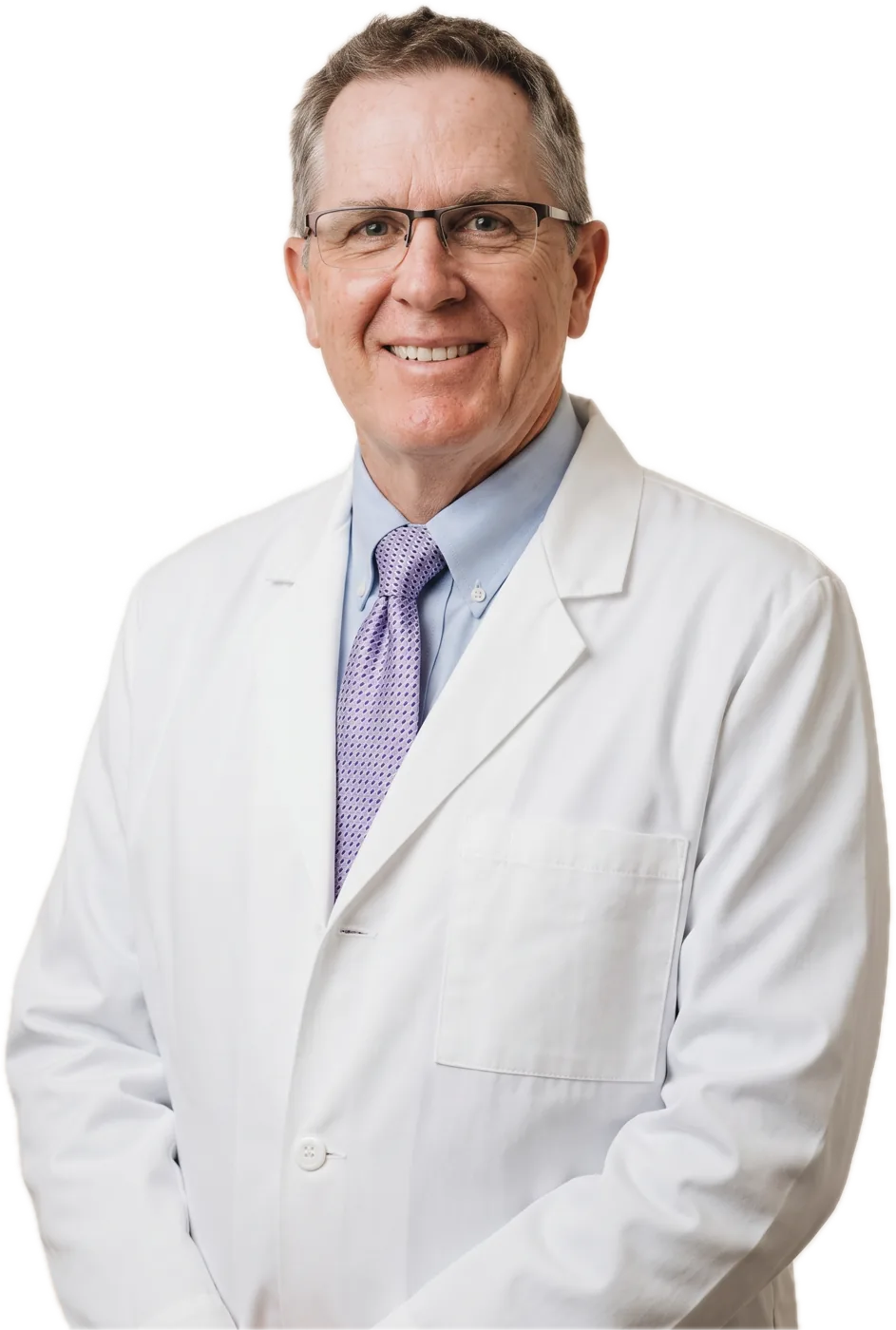
DDS cum laude 1987, US Air Force residency, NYU cosmetic training and Fellow of the International Congress of Oral Implantologists, with 35+ years in practice.
Meet Dr. Haywood → Dr. Steven W. Haywood: Calming Root Canal Fears
 Less Is More in Dentistry
 Been a While Since You’ve Visited a Dentist?