
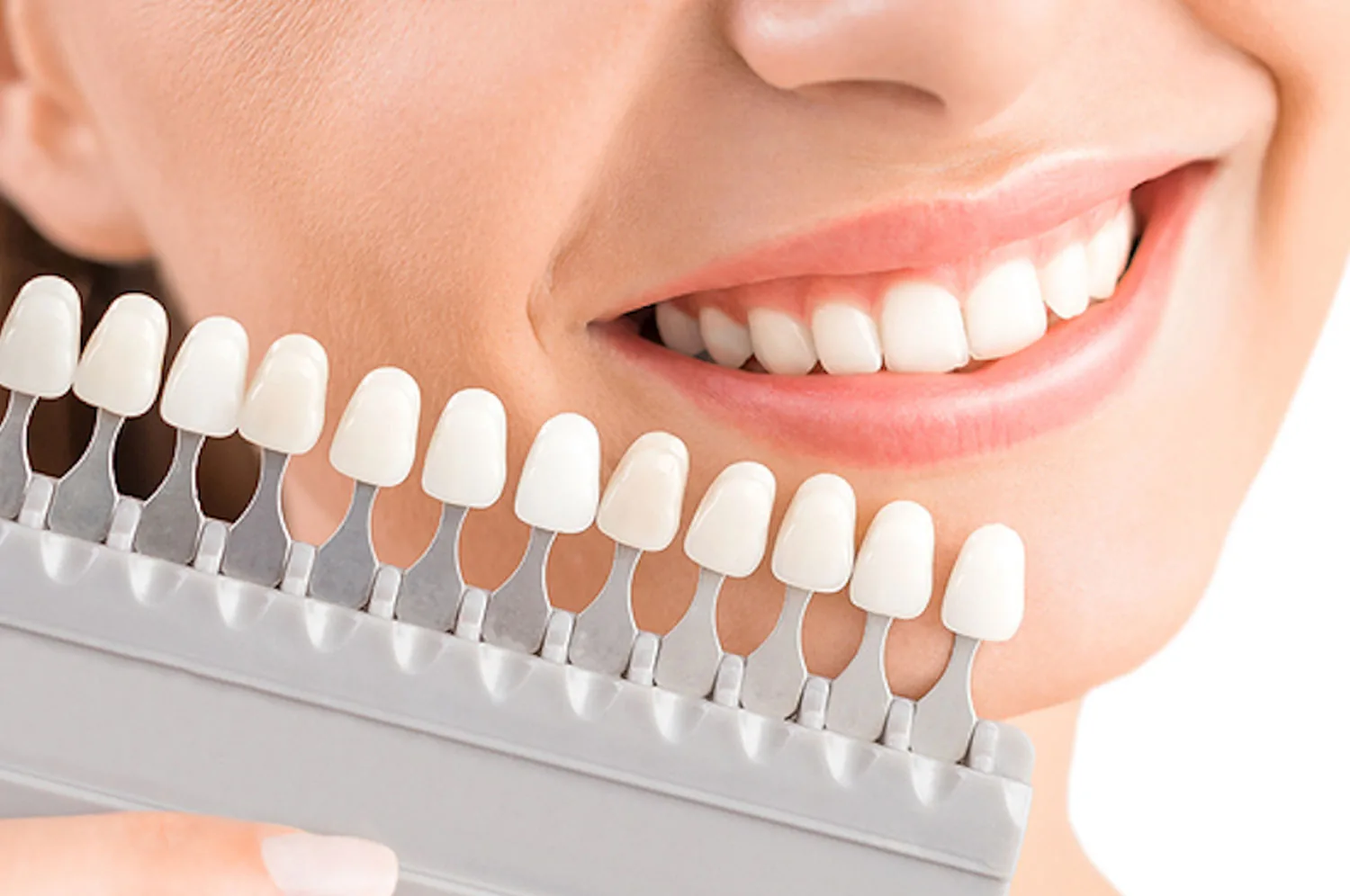
All tooth stains are not created equal, and the type of stain you have decides how well teeth whitening will work for you. Surface stains usually lift easily. Deeper stains take more effort. Here is how to tell them apart, and what Southern York Smile Care in Shrewsbury, PA, can do about each one.
Why the type of stain matters
Many people try a whitening product, see little change and decide whitening does not work for them. Often the real issue is that the product was not a match for the stain. Whitening gels work best on stains in or near the enamel surface. Stains that start inside the tooth respond more slowly, and some need a different approach.
Knowing what kind of discoloration you have saves time, money and disappointment. A quick exam is the best way to find out.
At an exam, your dentist looks at the color, the pattern and where the staining sits. Stains spread evenly across the surface tend to be extrinsic. Bands, gray teeth, white spots or a single dark tooth often point to something deeper. Your dentist will also ask about your diet, medications and any past injury to your teeth, since each one can leave a clue.
Extrinsic stains: on the surface
Extrinsic stains sit on the outer layer of the tooth, the enamel. They have not yet worked their way into the dentin underneath. These are the easiest stains to remove.
Common causes
- Coffee, tea, cola and red wine
- Deeply colored foods such as blueberries, carrots and tomato sauces
- Tobacco and nicotine, which are no better for your smile than for your lungs
- Plaque and tartar that pick up color over time
How they are treated
Some surface staining comes off with a professional cleaning and polish. For a brighter result, professional whitening is very effective on extrinsic stains. See our teeth whitening page for the options.
Intrinsic stains: from the inside out
Intrinsic stains form inside the tooth. Because they are below the enamel surface, they are harder to remove completely.
Common causes
- Tooth injury. A knock to a tooth can cause it to darken over time, sometimes turning gray.
- Tetracycline. This antibiotic, when taken while teeth are forming in childhood, can leave gray or brown bands.
- Too much fluoride in childhood. This can cause white spots or, less often, brown marks. It is called fluorosis.
- Old fillings and root canal teeth, which can darken from within.
How they are treated
Professional whitening can often lighten intrinsic stains, even if it cannot erase them. It may take longer or more sessions. When whitening alone is not enough, cosmetic options can cover the stain completely. These include cosmetic bonding and porcelain veneers.
Silver fillings can also leave a gray shadow in the tooth around them. Since our office is mercury-free, old silver fillings can be replaced with tooth-colored ones when the time comes.
Age-related stains: a bit of both
Even if you avoid coffee and red wine, your teeth will slowly darken with time. Like gray hair, a duller smile is a normal part of aging. Two things happen at once. The enamel gets thinner, letting more of the yellower dentin show through. And years of small surface stains build up.
The good news is that age-related yellowing usually responds well to whitening. Many adults in Shrewsbury, York and nearby Baltimore County take years off their look simply by bringing back the brighter smile they once had.
Your whitening options
Once you know the type of stain, you can choose the right approach.
Professional whitening
Professional whitening uses stronger gels than store-bought kits, applied with care to protect your gums. Results are faster and more even. Our laser whitening treatment is done in the office, with Dr. Haywood checking your teeth and shade goals first.
Is whitening safe?
Whitening done or supervised by a dentist is safe for your enamel. The most common side effect is short-lived sensitivity to hot and cold, which usually fades within a day or two. Before whitening, your dentist checks for cavities, worn fillings and gum problems, because whitening gel on an open cavity or exposed root can hurt. That check is one of the best reasons to whiten with a professional.
How long results last
Whitening is not permanent, but it lasts well with good habits. Coffee, tea, red wine and tobacco will slowly bring stains back. Regular cleanings, rinsing after dark drinks and an occasional touch-up keep your smile bright for the long run.
Store-bought products
Whitening toothpastes mostly remove surface stains with mild abrasives. Strips and over-the-counter gels can help with light staining, but results vary and uneven use can leave patchy color or sensitive teeth. If you try them, follow the directions closely.
When whitening is not the answer
Whitening does not change the color of crowns, veneers or fillings. If you have front-tooth restorations, plan any whitening first, then match new work to your brighter shade. For stains that will not budge, bonding or veneers can give an even, natural-looking result. See our cosmetic dentistry page for more.
If you are planning a bigger change, cosmetic imaging can show you a preview of your brighter smile before any treatment begins.
How to keep stains from coming back
Teens and young adults with surface stains can stop them from becoming deeper, harder ones. Whatever your age, these habits help keep your smile bright:
- Rinse with water after coffee, tea, wine or cola.
- Use a straw for iced drinks that stain.
- Brush twice a day and floss daily to keep plaque from holding on to color.
- Avoid tobacco in any form.
- Keep up with your cleanings and checkups.
Speaking of younger patients, energy and sports drinks deserve a special mention. Many are both acidic and sugary. They soften enamel, which makes teeth more likely to stain and decay. Water is the better choice for everyday drinking. Our article Let's Work Together to Keep Your Smile Healthy and Beautiful has more tips on protecting a whitened smile.
It is never too early or too late to brighten your smile. The team at Southern York Smile Care has helped many patients with severe tooth discoloration, including stains from coffee, tetracycline and fluorosis. Dr. Steven Haywood, DDS, completed the NYU Aesthetic Continuum in cosmetic dentistry and has 35+ years in practice. You can see results in our smile gallery.
Find out what is behind your stains
If your teeth are stained and you are not sure why, a quick exam can tell you which option will work best. Call Southern York Smile Care at (717) 235-3871 or request an appointment. We are at 4 S. Main St in Shrewsbury, PA, close to York, New Freedom, Stewartstown and northern Baltimore County, MD.

DDS cum laude 1987, US Air Force residency, NYU cosmetic training and Fellow of the International Congress of Oral Implantologists, with 35+ years in practice.
Meet Dr. Haywood → Is Cosmetic Dentistry for You?
 Dr. Steven W. Haywood Dental Miracles
 Celebrity Smiles in Shrewsbury