
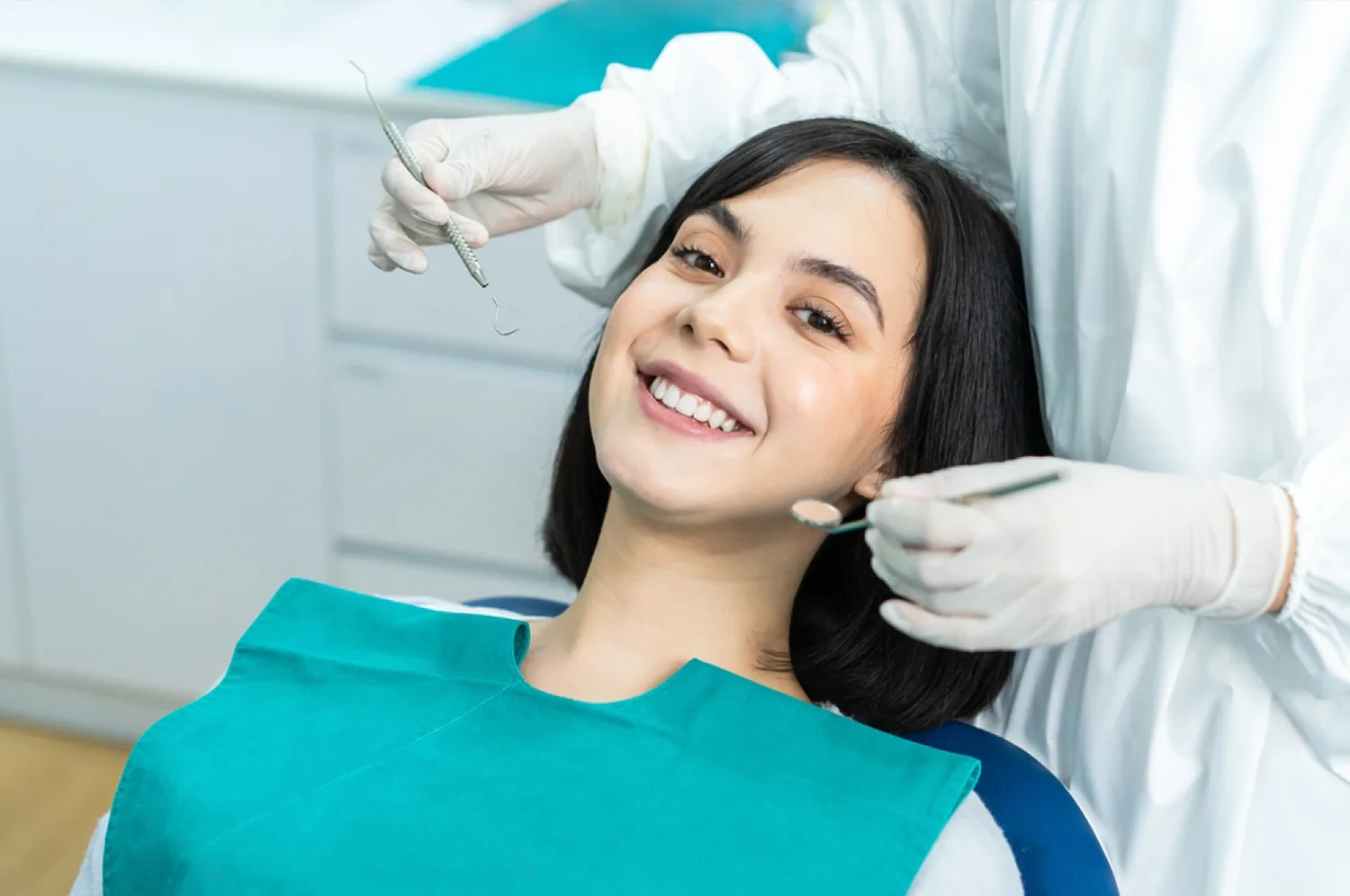
How often should you get a dental check-up? For most people, every six months, though your own risk factors may mean more or fewer visits. At Southern York Smile Care in Shrewsbury, PA, Dr. Steven Haywood sets a schedule based on your mouth, not a one-size rule.
When was your last dental check-up? If you have to think hard about the answer, you are not alone. Life gets busy, and when nothing hurts it is easy to let visits slide. But most dental problems do not hurt until they are well advanced. Regular check-ups are how small problems are found while they are still simple, comfortable and affordable to fix.
The general rule: twice a year
Most people do well with a check-up and cleaning every six months. That schedule works because plaque that you miss at home hardens into tartar within days, and tartar cannot be brushed away. Over a few months it builds up along the gum line and between the teeth, where it irritates the gums. A cleaning every six months removes it before it does lasting harm.
Six months is also a good window for catching decay. A small cavity can grow a lot in a year. Found early, it may need only a small white filling. Found late, the same tooth may need a crown or a root canal.
Know your risk factors
Most people are in a low to medium risk group for dental problems. Some things raise your risk and may mean you should come in more often, every three or four months:
- Using tobacco in any form
- Drinking alcohol often
- Eating or drinking a lot of sugar, or snacking throughout the day
- Gum disease now or in the past
- Frequent cavities
- Diabetes or other conditions that affect the mouth
- Pregnancy, which can make gums more prone to inflammation
- Dry mouth from medications
- An eating disorder or acid reflux, which can wear away enamel
- Dental implants, bridges or clear aligners that need extra attention
If several of these apply to you, it is especially important to have your teeth checked soon. Some people with very low risk and excellent home care may do well with slightly longer gaps, but that is a decision to make with your dentist.
What happens at a check-up
A check-up is more than a quick look. At Southern York Smile Care it usually includes:
- A professional cleaning. Cleanings at the office are a full 60 minutes, so plaque and tartar can be removed thoroughly and there is time for your questions.
- A gum check. The team measures the small pockets between your gums and teeth to look for early gum disease.
- A look for decay. Digital X-rays, taken as needed, use up to 90% less radiation than older film. DIAGNOdent, a laser tool, helps find hidden decay in the grooves of the back teeth.
- An oral cancer screening. Dr. Haywood checks your lips, tongue, cheeks and throat. When a spot needs a closer look, the office uses ViziLite, a blue dye rinse and OralCDX. See our oral cancer screening page.
- A bite and jaw check. Signs of grinding, worn teeth or jaw strain are noted early.
- A chance to see what we see. The intraoral camera shows close-up pictures of your teeth on a screen, so you understand any findings.
Learn more on our dental cleanings and preventive dentistry pages.
Your home routine between visits
What you do every day matters as much as your visits. A strong routine includes:
Brush twice a day
Brush in the morning and before bed. The bedtime brush is especially important, because it clears away the plaque that has built up all day before you sleep, when saliva flow slows down. Use a soft-bristled brush and small, gentle circles along the gum line. Take your time: two full minutes is the ADA recommendation. Don't forget to brush your tongue.
Clean between your teeth once a day
Floss, small interdental brushes or a water flosser all work. The best tool is the one you will use. Our post on water flossing compares the options.
Protect your enamel
Fluoride toothpaste helps harden enamel and resist decay, and the ADA recommends it for most people. Holistic patients at Southern York Smile Care can choose remineralization varnish at their visits, and patients who want fluoride can have it. Either way, the goal is strong enamel that resists acid.
Watch what you eat and drink
Sugar and refined starch feed the bacteria that cause cavities. Keep sweets with meals, drink water between meals and choose snacks like cheese, nuts and vegetables.
Check-ups for children and older adults
Children need regular check-ups too. The American Dental Association recommends a first visit when the first tooth appears, and no later than the first birthday. After that, most children come in every six months, so the dentist can watch how the teeth and bite are developing. Our children's dentistry page explains what those visits look like.
Older adults benefit from regular visits as well. Many medications cause dry mouth, which raises the risk of decay, and older fillings and crowns need monitoring. Even people with dentures and no natural teeth should have their gums, fit and soft tissues checked regularly.
Signs you should not wait for your next check-up
Call sooner if you notice:
- A toothache or sensitivity that lasts more than a day or two
- Gums that bleed, swell or pull away from the teeth
- A broken tooth, lost filling or loose crown
- A sore or patch in the mouth that does not heal within two weeks
- Pain or clicking in the jaw
- Bad breath that does not go away with brushing
For urgent problems, see our emergency dental care page.
If it has been a while
Many people stay away from the dentist for years because they feel embarrassed or anxious. There is no judgment at Southern York Smile Care. The team will start where you are, explain what they find and make a plan one step at a time. For patients who feel nervous, the office offers oral sedation.
The office is out of network with every insurer. You pay at the visit and the team files the claim so your insurance can reimburse you. Kelley Fisher, the Patient Care and Treatment Coordinator, can help with insurance questions and CareCredit or Cherry payment plans. New patients can find what to bring on our new patient info page.
Schedule your check-up
Your daily habits are essential, and so is the trained eye of a dentist. Together they keep your teeth healthy and your smile looking its best. Call Southern York Smile Care at (717) 235-3871 or request an appointment online. The office is at 4 S. Main St in Shrewsbury, PA, and serves patients from Shrewsbury, York, southern York County and northern Baltimore County, MD.

DDS cum laude 1987, US Air Force residency, NYU cosmetic training and Fellow of the International Congress of Oral Implantologists, with 35+ years in practice.
Meet Dr. Haywood → Bad Breath Treatment at Southern York Smile Care
 7 Steps for a Healthy Smile
 Happy Teeth Don’t Just Happen