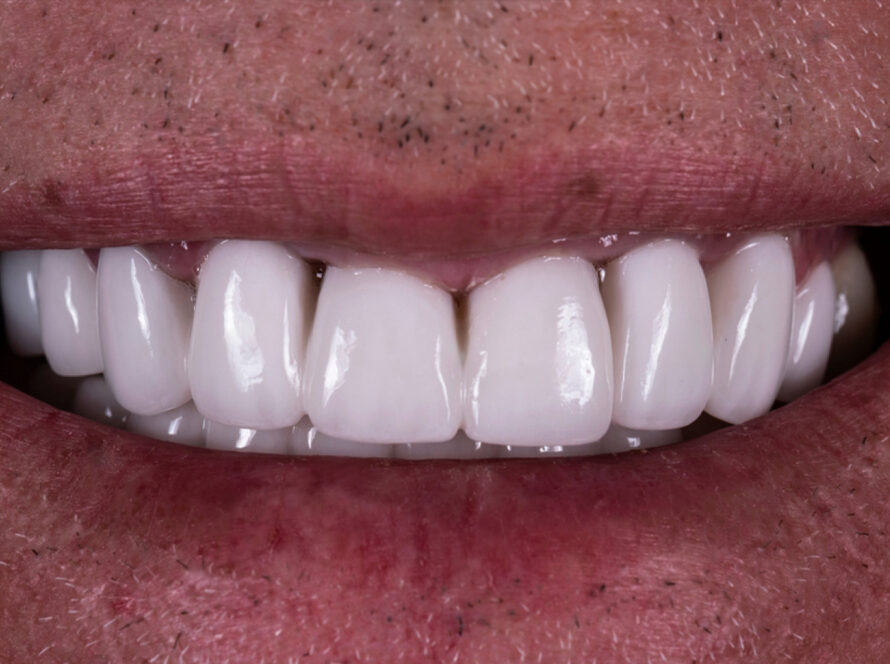
There’s a moment in cosmetic dentistry that never stops being meaningful — the moment a patient looks in the
mirror after their veneers are bonded for the first time. I’ve witnessed that reaction hundreds of times over my career,
and it remains one of the most rewarding parts of clinical work.
But I also believe patients deserve an honest account of what porcelain veneers are, what they genuinely achieve,
and where their limitations lie — before they book anything. This article is that account. No inflated promises, no
obscured costs, no airbrushed before-and-afters without context. Just a clear-eyed clinical explanation from
someone who places them regularly in York, PA.
Table of Contents
ToggleThe Clinical Definition: What Exactly Is a Porcelain Veneer?
A porcelain veneer is a custom-fabricated, thin-shelled ceramic restoration — typically between 0.3mm and 0.7mm in
thickness — that is adhesively bonded to the labial (front-facing) surface of a tooth. The porcelain used is
dental-grade feldspathic ceramic or lithium disilicate, chosen for its ability to transmit and reflect light in a way that closely mimics natural tooth enamel.
The procedure requires minimal tooth reduction in the majority of cases — typically the removal of 0.3mm to 0.7mm
of enamel from the front surface, which is irreversible. This is an important point that every patient should understand
before committing to treatment: once enamel is removed, the tooth will always require a restoration of some kind.
This is why the consultation and treatment planning stage matters so much.
The American Academy of Cosmetic Dentistry (aacd.com) describes porcelain veneers as one of the most versatile
and aesthetically superior cosmetic dental restorations available, with appropriate long-term outcomes when properly
planned and executed.
What Veneers Can — and Cannot — Treat
Porcelain veneers are highly effective for a specific category of cosmetic concerns. They excel at addressing intrinsic
staining that doesn’t respond to professional whitening — including tetracycline discolouration and fluorosis. They
can correct minor positional irregularities and mild crowding without orthodontic treatment. They restore the
appearance of chipped, cracked, or worn teeth. They unify the appearance of teeth with size discrepancies or
irregular shapes. And they produce long-lasting whiteness without the sensitivity risks of repeated bleaching.
What veneers cannot do: they cannot structurally reinforce a severely compromised tooth — that requires a crown.
They are not a substitute for orthodontic treatment in cases of significant misalignment or malocclusion; attempting to
use veneers to mask a bite problem without addressing the underlying alignment is poor clinical practice and will
produce inferior results. They also cannot reliably bond to surfaces with insufficient remaining enamel.
This is why every veneer patient at southyorksmiles.com/cosmetic-dentistry begins with a comprehensive
assessment. We want to make sure veneers are genuinely the right treatment for your situation — not just the most
visually exciting option.
The Veneer Process: What Patients at Our York PA Clinic Actually Experience
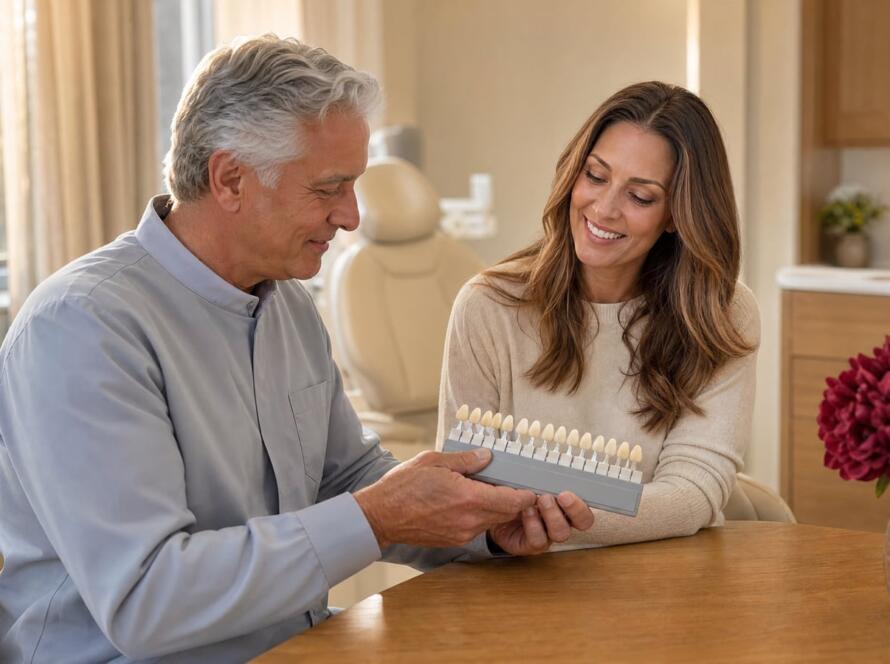
The process at Southern York Smile Care begins with an in-depth smile consultation. We use digital photography,
shade mapping, and where appropriate, digital smile design software to create a preview of your proposed result.
Patients tell us this step reduces anxiety significantly — seeing a projected outcome before any treatment begins
puts the entire process in a different context.
Once you’ve approved the treatment plan, tooth preparation takes place under local anaesthetic. The amount of
enamel removed is conservative — we use the minimum necessary to allow proper ceramic thickness without
overcontouring. Temporary veneers are placed immediately, so you leave the appointment with a complete,
functional smile.
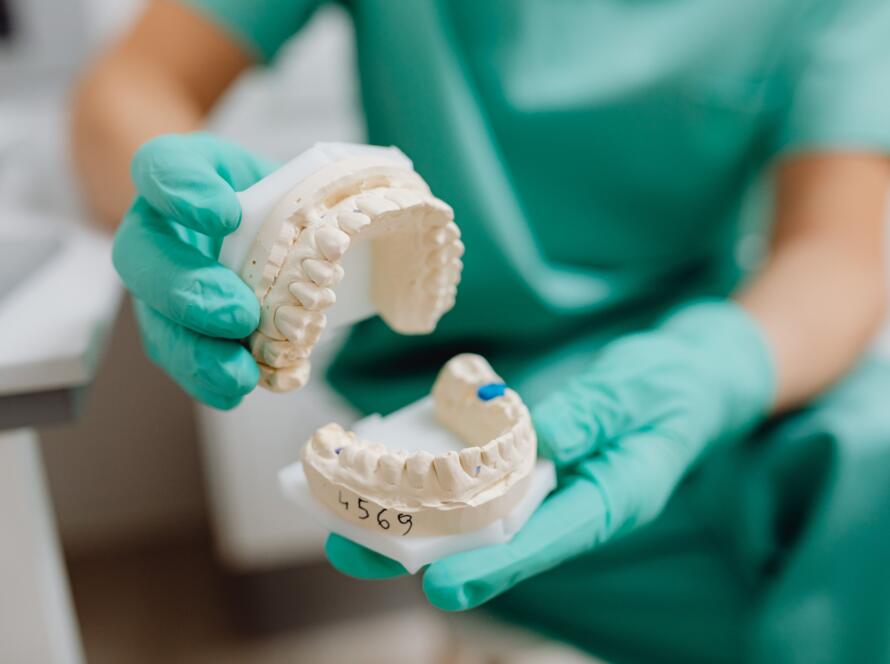
Your permanent veneers are fabricated by a specialist dental ceramist at a quality laboratory. When they return —
typically within two weeks — we bond them using a multi-step adhesive protocol that creates a chemical-mechanical
bond between porcelain and enamel. The final appointment includes shade verification, bite checking, and any
marginal adjustments. Then you look in the mirror.
Longevity and Care: Setting Realistic Expectations
Porcelain veneers placed with appropriate clinical technique and cared for properly have a documented lifespan of
10 to 20 years in published literature, with many cases extending beyond this. The most common causes of failure
are fracture (usually associated with parafunctional habits like bruxism), marginal debonding (often due to inadequate adhesive technique or occlusal overloading), and gum recession exposing the root surface at the margin.
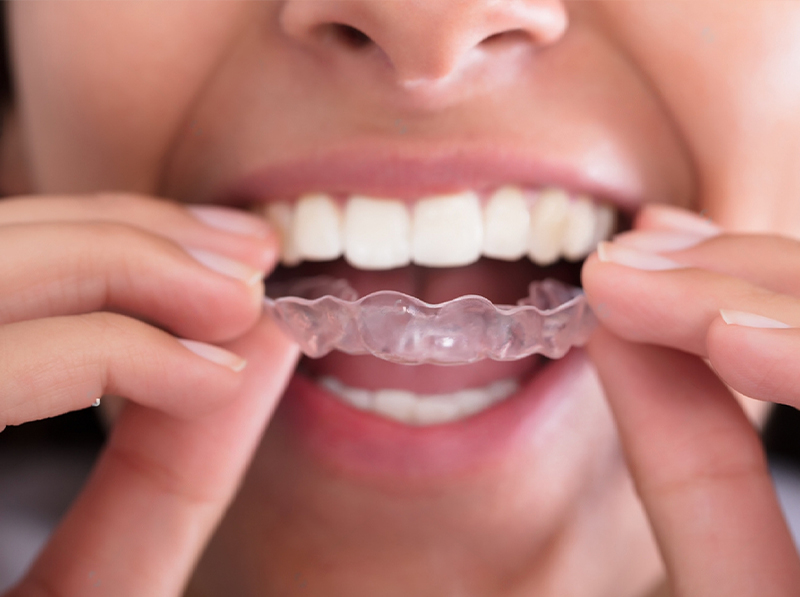
For patients who grind or clench their teeth — even unknowingly during sleep — a custom occlusal guard is a clinical
necessity, not an optional add-on. We include an assessment of parafunctional habits in every veneer consultation
and discuss the protective options transparently.
Day-to-day maintenance is straightforward: brush with a non-abrasive toothpaste, floss regularly, attend routine
hygiene appointments, and avoid using your front teeth as tools (opening packaging, biting nails). The Mayo Clinic
(mayoclinic.org) notes that with appropriate care, veneers represent a highly durable cosmetic restoration with
predictable outcomes.
Cost and Financing: The Transparent Version
Porcelain veneers at our York PA practice range from $950 to $2,100 per tooth, depending on the material selected,
the complexity of preparation, and laboratory fees. A typical smile makeover involving six to ten teeth represents a
significant investment — and we treat it as such. Every patient receives a written, itemised treatment plan before
committing to anything.
Cosmetic dental procedures including veneers are not covered by dental insurance, which is a reality we’d rather
disclose upfront. If whitening for the lower arch, gum recontouring, or Invisalign prior to veneer placement would improve your overall
result, we’ll discuss these as part of a comprehensive treatment plan — including the full combined cost — so there
are no surprises.