



Skip to content Skip to footer

All Porcelain Crowns

All Porcelain Crowns

When Is A Crown Necessary? | What Are Pros & Cons Of Bridges?

Shrewsbury, PA dental crowns machined and molded to fit your bite perfectly and restore your lasting bite surface

DENTAL CROWNS

PORCELAIN CROWNS SHREWSBURY, PA

Dental crowns are caps placed on top of damaged or misaligned teeth and are used to protect, cover, and restore the shape of your teeth when fillings will not fix the problem

A dental restoration known as a crown, sometimes known as a cap, covers the entire tooth and replaces the enamel on the outside with a new substance. In order to allow for proper chewing of food, crowns are shaped and proportioned to resemble natural teeth. They also come into normal contact with the opposing tooth. In terms of function, a crown should feel similar to a natural tooth. It may also appear exactly like a natural tooth, depending on the crown material selected. Dental crowns can be made out of metals (like gold and silver), porcelain, resin, and ceramics. They typically don’t require special care over time other than regular good oral hygiene.

ARE YOU READY TO RESTORE YOUR SMILE?

Our experienced and professional dental team at Southern York Smile Care provides you with the best care and quality

You don’t have to compromise on your smile goals at Southern York Smile Care. We’ll ensure you leave with a smile you’re proud of. We can help you achieve your dream smile. If you’re thinking about starting your smile journey, please call us. You can also call us at (717) 235-3871 to request an appointment at our dental office.

WHEN IS A REPLACEMENT CROWN NECESSARY?

TOOTH CROWNS SHREWSBURY, PA

Broken teeth, damaged molars and other wear and tear may necessitate a replacement crown in Shrewsbury, PA, our expert dentist Dr. Haywood creates crowns that feel perfect with your natural bite

Your dentist will usually recommend a crown when a tooth is so damaged that it can’t be repaired with a filling. In some cases, a crown is needed to prevent the tooth from breaking.

Large Cavity: If a tooth has a large cavity that has destroyed its dentin and enamel, it will be unable to hold a filling and function normally. The tooth will be able to function properly once more after the cavity is filled, repaired, and covered with a crown.

Large fillings: If a tooth has a large filling that extends over half of the tooth, the remaining tooth structure is insufficient to support chewing pressures for the remainder of the tooth’s life. The tooth’s long-term prognosis is improved by placing a crown over it.

Cracks: Tooth cracks are a difficult diagnostic that might fill a whole essay by itself. The only option to prevent a minor tooth crack from progressively getting worse is to cover it with a crown. A minor tooth crack is one that does not extend into the tooth’s nerve or down the root beneath the gums. Enamel forms a thick covering on top of teeth and serves as a barrier. If there is a crack in that layer of enamel, it means it is no longer functioning properly and needs to be taken out and replaced. The crown serves as the tooth’s replacement for the enamel and protects the tooth in the same way that the enamel did.

Root canal treatment: The nerve and blood arteries in the hollow chamber inside the tooth are removed during a root canal procedure. Because the tooth is no longer receiving nourishment, it quickly dries up and becomes brittle. The tooth is more prone to fracture due to its brittleness. To keep a tooth from splitting after a root canal, a crown must be placed over it. Because root canals are costly, it would be a shame to let one go to waste because the tooth needed to be pulled because it was broken but never filled.

OTHER AVAILABLE DENTAL SERVICES

Cosmetic Bonding, Complete Smile Makeovers, and Restorative Dentistry in Shrewsbury, PA

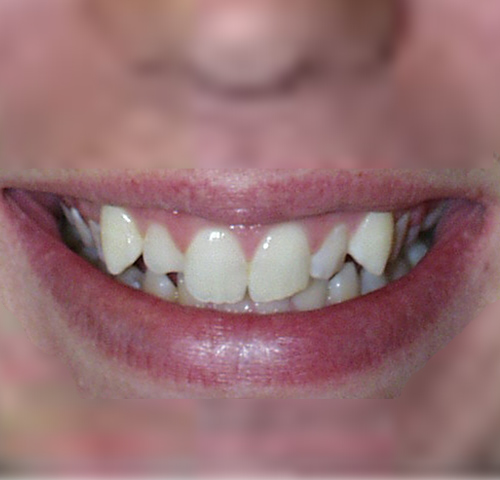
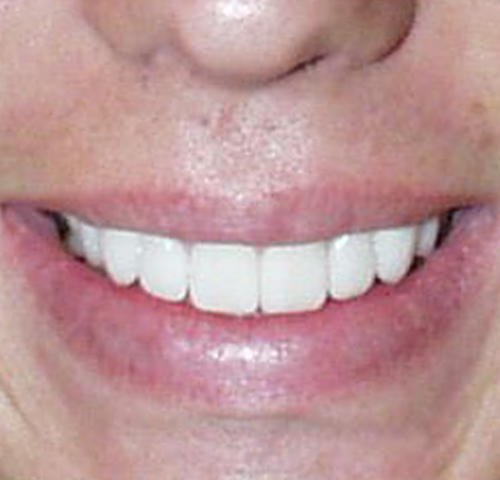
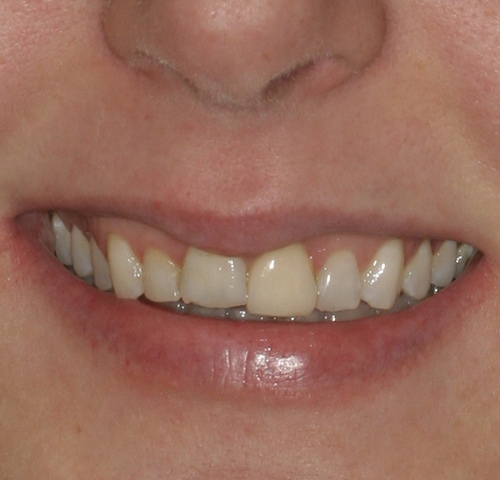
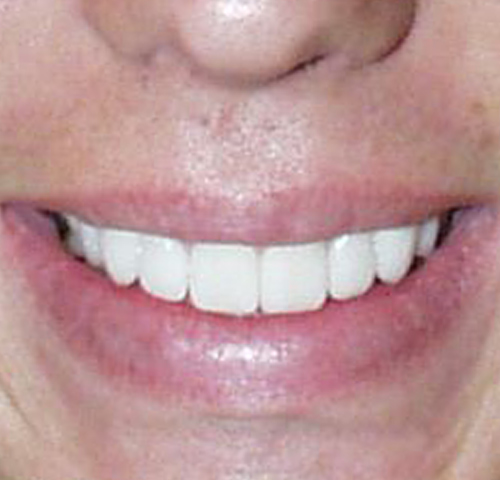
BEFORE & AFTER

CHECK OUT SOME OF OUR RECENT SMILE TRANSFORMATIONS
BeforeBeforeAfter
BeforeBeforeAfter
BeforeBeforeAfter
BeforeBeforeAfter
BeforeBeforeAfter
BeforeBeforeAfter

FREQUENTLY ASKED QUESTIONS

Get your answers about holistic dentistry in Shrewsbury, PA
On average, dental crowns last between 5 and 15 years. How long your crown will last depends on your regular oral hygiene practices. To help them last longer, you should also avoid certain habits such as chewing ice, grinding your teeth or clenching your teeth.
Yes. Depending on the condition of your front teeth, a dental crown might be recommended. These crowns are usually made of a material that gives a similar look to your natural teeth.
Porcelain crowns are very strong – almost as strong as your natural teeth enamel. As a result, they will not break or chip from normal dental activities like biting or chewing.
The process of getting a crown usually takes place over two visits to the dentist. During the first visit, the tooth is prepared and an impression is made. The impression is sent to a dental laboratory, where the crown is made. A temporary crown is placed on the tooth until the permanent crown is ready. During the second visit, which usually takes place about two weeks later, the permanent crown is checked for fit and then cemented into place.
Porcelain dental caps are almost as strong as your teeth’s natural enamel. For this reason, porcelain dental crowns have more advantages than the metallic alternative.
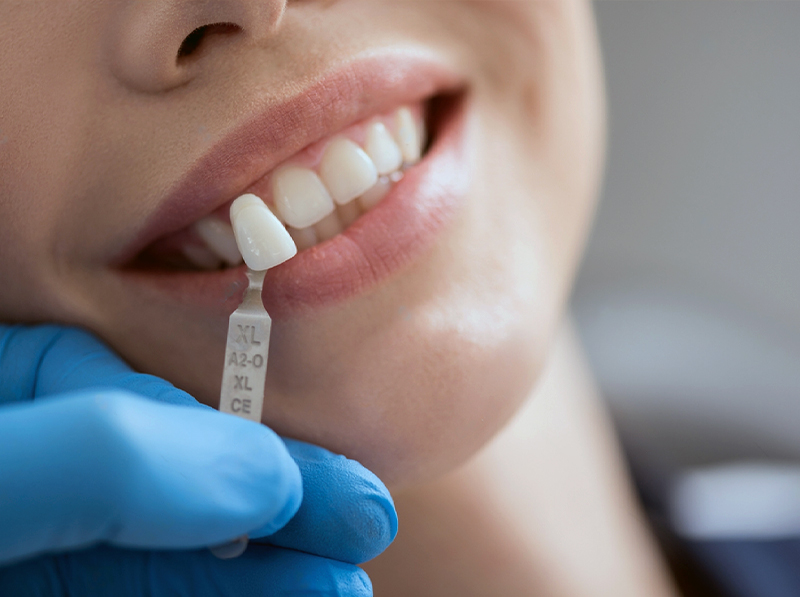
Porcelain crowns are a great choice for patients who want a natural look. They are made to match the shape, size, and color of your surrounding teeth.
Yes. The tooth underneath your crown can still decay if you do not maintain proper dental hygiene.
Crowns have a number of advantages. They’re very strong and can last for many years with proper care. They also look and feel like natural teeth. Crowns also have some disadvantages. They’re more expensive than other types of dental restoration, such as fillings. They also require two visits to the dentist instead of just one.